Struggling with daily joint pain and stiffness?
Living with osteoarthritis or joint degeneration can feel like an uphill battle, impacting every aspect of your daily life. From the moment you wake up to the simplest tasks, persistent pain and reduced mobility can make even routine activities challenging. But imagine a life where you have more control over your symptoms, where movement feels less like a chore and more like a joy.
This comprehensive guide, authored by Dr. Christopher Hall, an Orthopedic Health Researcher, and reviewed by Dr. Barbara Allen, M.D., Board-Certified Rheumatologist, offers actionable, evidence-based lifestyle tips designed to help you navigate the complexities of arthritis daily. We'll delve into practical strategies that can significantly improve your comfort, flexibility, and overall well-being, helping you foster a proactive approach to joint health that truly makes a difference.
Understanding Osteoarthritis and Joint Degeneration
Before we dive into management strategies, it's crucial to understand what osteoarthritis (OA) and joint degeneration entail. This knowledge empowers you to make informed decisions about your health.
Osteoarthritis is the most common form of arthritis, affecting millions worldwide. It occurs when the protective cartilage that cushions the ends of your bones wears down over time. This wear and tear leads to bones rubbing directly against each other, causing pain, stiffness, swelling, and reduced range of motion. While it can affect any joint, it most commonly impacts the hands, knees, hips, and spine.
Joint degeneration is a broader term encompassing the breakdown of joint tissues, including cartilage, bone, and synovial fluid. It's often synonymous with osteoarthritis but can also refer to other conditions that cause progressive damage to joints. The primary characteristic is the gradual deterioration of the joint's structure and function. Understanding these underlying mechanisms helps us appreciate why a multi-faceted approach to daily management is so vital.
The progression of joint degeneration is influenced by various factors, including age, genetics, previous joint injuries, obesity, and repetitive stress on the joints. While there's no cure for osteoarthritis, the good news is that numerous lifestyle interventions can significantly slow its progression, alleviate symptoms, and improve your overall quality of life. The key is consistency and adopting a holistic strategy that addresses multiple aspects of your health.
💡 Key Takeaway
Osteoarthritis and joint degeneration involve the breakdown of joint cartilage, leading to pain and stiffness. While irreversible, effective daily lifestyle strategies can significantly manage symptoms and improve joint function.
Essential Pillars of Daily Arthritis Management
Successfully managing arthritis requires a holistic approach that integrates several key lifestyle components. Focusing on these areas daily can dramatically reduce pain and improve mobility.
Embrace Regular, Low-Impact Exercise
Physical activity is paramount for joint health. While it might seem counterintuitive to exercise when your joints hurt, appropriate movement strengthens the muscles surrounding your joints, improves flexibility, and helps maintain a healthy weight, all of which reduce stress on affected areas. Focus on low-impact activities such as walking, swimming, cycling, and gentle yoga or tai chi. These exercises minimize impact while maximizing joint lubrication and mobility. Aim for at least 30 minutes of moderate-intensity activity most days of the week.
Adopt an Anti-Inflammatory Diet
What you eat can significantly influence inflammation levels in your body. An anti-inflammatory diet rich in fruits, vegetables, whole grains, lean proteins, and healthy fats (like omega-3s found in fish) can help reduce pain and swelling. Limit processed foods, sugary drinks, red meat, and unhealthy fats, which can exacerbate inflammation. Incorporating foods rich in antioxidants and vital nutrients supports overall joint health and provides the building blocks for tissue repair. For more detailed information, consider exploring our guide on diet-for-joint-health.html.
Maintain a Healthy Body Weight
Excess body weight places enormous stress on weight-bearing joints like the knees, hips, and spine. Even a modest weight loss can significantly reduce this load, thereby decreasing pain and slowing the progression of joint degeneration. Losing just 10 pounds can reduce the pressure on your knees by 40 pounds with every step. Combining a balanced diet with regular exercise is the most effective way to achieve and maintain a healthy weight, offering profound benefits for your joints.
Prioritize Quality Sleep and Rest
Adequate sleep is crucial for pain management and overall well-being. When you sleep, your body repairs itself and produces growth hormones that are essential for tissue healing. Chronic sleep deprivation can heighten pain sensitivity and increase inflammation. Aim for 7-9 hours of quality sleep each night. Establish a consistent sleep schedule, create a comfortable sleep environment, and avoid caffeine and heavy meals before bedtime to improve your sleep hygiene. Incorporating short rest periods throughout the day can also help manage fatigue and joint discomfort.
Practice Mindful Stress Management
Stress can significantly impact how you perceive pain and can even contribute to increased inflammation. Chronic stress can tighten muscles around joints, making pain worse. Incorporate stress-reducing techniques into your daily routine, such as meditation, deep breathing exercises, yoga, spending time in nature, or engaging in hobbies you enjoy. Finding healthy coping mechanisms for stress can not only alleviate joint symptoms but also improve your mental and emotional health, creating a positive feedback loop for better overall health.
Smart Strategies for Daily Joint Protection
Beyond diet and exercise, small adjustments to your daily habits can make a big difference in protecting your joints and reducing pain.
Maintain Good Posture: Poor posture puts undue strain on your spine and other joints. Be mindful of your posture whether you're sitting, standing, or lifting. Use ergonomic chairs, supportive pillows, and maintain a neutral spine. When lifting objects, bend your knees and use your leg muscles, rather than straining your back. Proper body mechanics can prevent further joint damage and alleviate existing discomfort.
Use Assistive Devices: Don't hesitate to use assistive devices if they can help reduce joint strain. Canes, walkers, braces, or specialized footwear can provide support, improve balance, and make movement easier and safer. These tools aren't a sign of weakness; they're smart ways to protect your joints and maintain independence. Consulting with a physical therapist can help you identify the best devices for your specific needs.
Apply Heat and Cold Therapy: Alternating between heat and cold can be an effective way to manage arthritis pain and inflammation. Heat therapy, such as warm baths, heating pads, or hot compresses, can relax stiff muscles and increase blood flow to the affected area, reducing stiffness. Cold therapy, like ice packs, can numb the painful area and reduce swelling and inflammation. Experiment to see which works best for your symptoms.
Pace Yourself and Listen to Your Body: It's important to find a balance between activity and rest. Overexertion can lead to increased pain and inflammation, while too much inactivity can cause stiffness. Learn to recognize your body's signals and pace your activities accordingly. Break down large tasks into smaller, manageable steps, and take frequent breaks. Don't push through severe pain; instead, rest and reassess. This mindful approach prevents flare-ups and allows your joints to recover.
Stay Hydrated: Water is essential for overall health, including joint health. It helps maintain the fluidity of synovial fluid, which lubricates your joints and cushions them. Dehydration can reduce joint lubrication and make cartilage more susceptible to damage. Aim to drink plenty of water throughout the day to support your joint function and overall cellular health. This simple habit often gets overlooked but is foundational to well-being.
💡 Key Takeaway
Protecting your joints daily involves more than just exercise; it includes mindful posture, utilizing assistive devices, applying hot/cold therapy, pacing activities, and staying well-hydrated to reduce strain and support joint function.
The Role of Nutritional Support and Supplements
While diet provides foundational support, certain nutrients and supplements can offer additional benefits for managing joint discomfort and promoting joint health.
Beyond a balanced diet, specific nutrients are recognized for their roles in joint health. Vitamin D is crucial for bone health, and deficiencies have been linked to an increased risk of osteoarthritis progression. Calcium is also vital for strong bones, supporting the joint structure. Vitamin C is an antioxidant that plays a role in collagen formation, a key component of cartilage. Ensuring adequate intake of these vitamins through diet or supplementation can be beneficial. For more insights into specific nutrients, you can read our article on vitamins-for-joint-pain.html.
Many individuals turn to dietary supplements to complement their lifestyle changes. Common supplements include glucosamine and chondroitin, which are natural components of cartilage, and omega-3 fatty acids, known for their anti-inflammatory properties. Herbal extracts like turmeric and ginger also have long histories of use in traditional medicine for their anti-inflammatory effects. It's important to remember that supplements are not a substitute for professional medical care and should always be discussed with your doctor, especially if you are taking other medications.
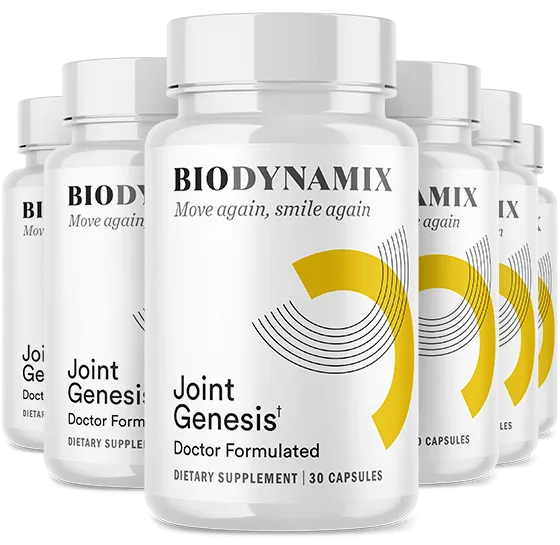
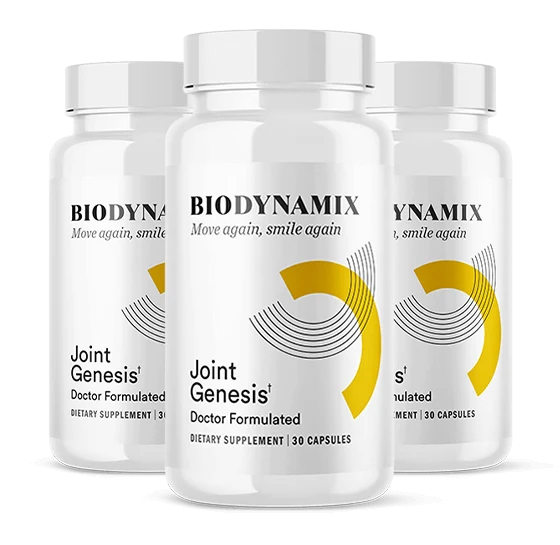
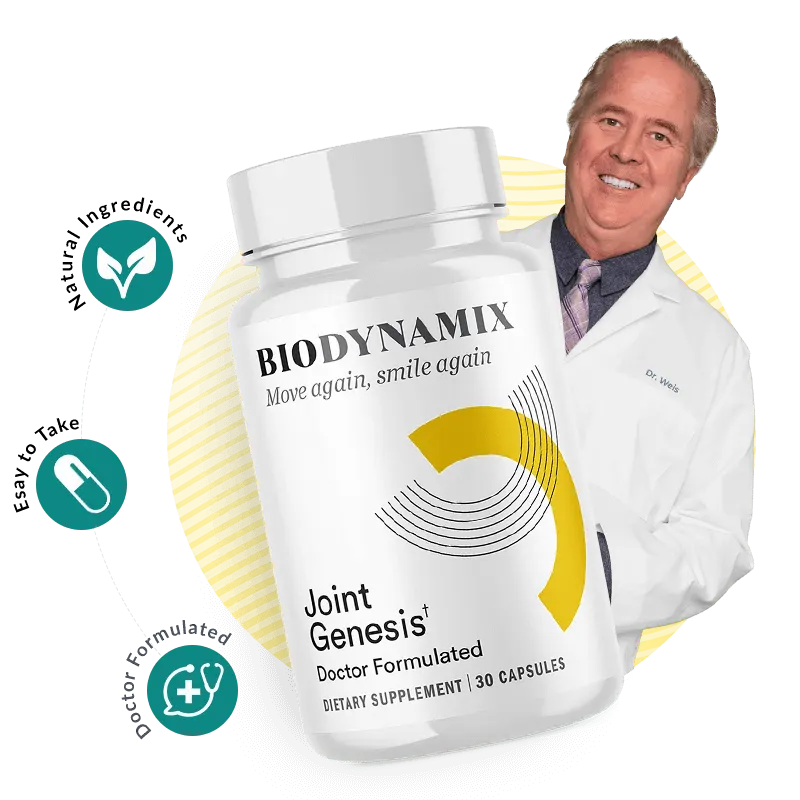
When considering supplements, look for products that are transparent about their ingredients, dosages, and manufacturing quality. For example, Joint Genesis is a natural supplement formulated to support joint health by targeting synovial fluid and reducing inflammation. It contains a blend of ingredients known for their roles in joint support.
Understanding Key Ingredients for Joint Health Support
Hyaluronic Acid (Mobilee®)
Role: Often called "nature's lubricant," hyaluronic acid is a vital component of synovial fluid, which cushions and lubricates your joints. Mobilee® is a patented form known for its high concentration of hyaluronic acid, which helps increase the viscosity and elasticity of synovial fluid, improving joint comfort and mobility.
Boswellia Serrata Extract
Role: Derived from the frankincense tree, Boswellia serrata has been used for centuries in traditional medicine for its powerful anti-inflammatory properties. It helps to modulate inflammatory responses in the body, which can significantly reduce joint pain and swelling associated with osteoarthritis.
Ginger Root Extract
Role: Ginger is another potent natural anti-inflammatory agent. Its active compounds, gingerols, have been shown to inhibit pro-inflammatory pathways, providing relief from joint pain and stiffness. It also has antioxidant properties that protect joint cells from damage.
Pine Bark Extract (Pycnogenol®)
Role: Pycnogenol® is a patented extract from French maritime pine bark, known for its exceptional antioxidant and anti-inflammatory benefits. It helps protect cartilage from degradation, improves blood flow to joints, and reduces inflammatory markers, contributing to improved joint function and comfort.
Bioperine® (Black Pepper Extract)
Role: While not directly a joint health ingredient, Bioperine® is crucial for enhancing the bioavailability of other nutrients. Derived from black pepper, it significantly improves the absorption of compounds like Boswellia and ginger, ensuring your body can utilize the beneficial ingredients more effectively.
Lifestyle Adjustments for Enhanced Joint Mobility
Beyond the core pillars, several other lifestyle adjustments can contribute significantly to managing arthritis and maintaining better joint mobility daily.
Ergonomics in Daily Life: Pay attention to your workspace, home environment, and even your car. Adjust your chair, desk, computer monitor, and keyboard to promote good posture and minimize strain on your joints. Use tools that require less grip strength if your hands are affected. Simple ergonomic changes can prevent cumulative stress on vulnerable joints. For specific exercises to enhance mobility, our article exercises-for-joint-health.html offers valuable guidance.
Heat and Cold Therapy: As mentioned, strategically applying heat and cold can provide significant relief. Heat expands blood vessels, increasing circulation and relaxing muscles, which is great for stiffness before activity. Cold constricts blood vessels, reducing inflammation and numbing pain, ideal for acute pain or after activity. Keep both options readily available at home.
Regular Stretching and Flexibility: Incorporate gentle stretching into your daily routine to maintain or improve your range of motion. Stretching helps keep your tendons and ligaments flexible, reducing stiffness. Yoga, Tai Chi, or simple stretches designed for arthritis can be very beneficial. Always warm up your muscles before stretching and avoid bouncing or pushing into pain.
Manage Your Environment: Make your home arthritis-friendly. Install grab bars in bathrooms, use non-slip mats, and ensure good lighting to prevent falls. Keep frequently used items within easy reach to avoid unnecessary bending or reaching. These modifications can reduce the risk of injury and make daily tasks less strenuous.
Stay Connected Socially: Living with chronic pain can be isolating. Maintaining strong social connections and engaging in enjoyable activities can significantly improve your mood and reduce feelings of pain. Join support groups, spend time with friends and family, or volunteer. Emotional well-being is a critical, often overlooked, aspect of pain management.
Regular Medical Check-ups: While lifestyle changes are powerful, regular consultations with your healthcare provider are essential. They can monitor your condition, adjust medications if necessary, and recommend specialized therapies like physical or occupational therapy. Don't hesitate to discuss any new symptoms or concerns with your doctor.
Take Control of Your Joint Health with Joint Genesis
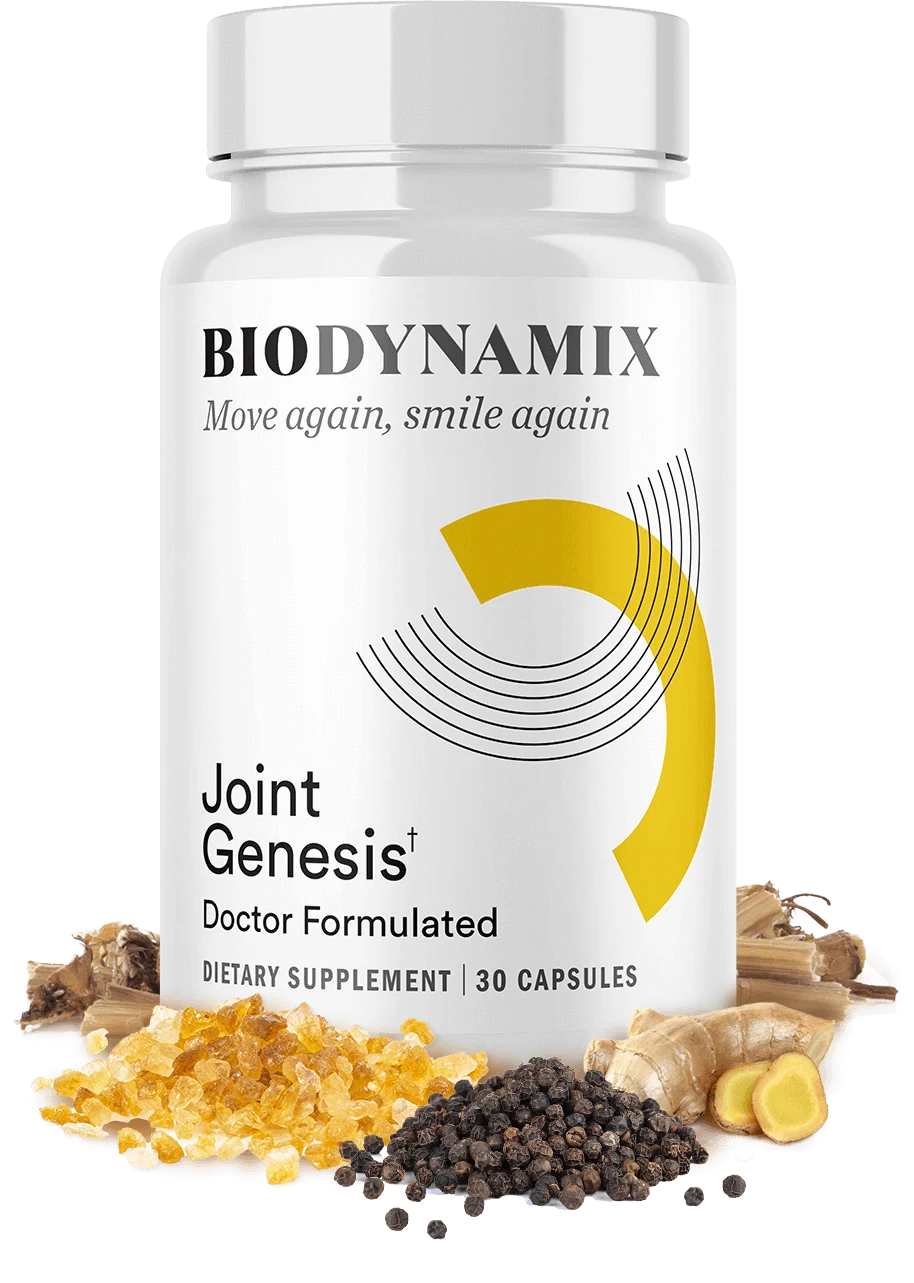
If you're seeking a natural way to support your daily arthritis management efforts, Joint Genesis offers a scientifically formulated blend of ingredients designed to promote healthy synovial fluid and reduce inflammation. It's crafted to work synergistically with the lifestyle changes you implement, helping you experience greater comfort and mobility.
- ✓ Supports healthy synovial fluid for joint lubrication
- ✓ Helps reduce inflammation and discomfort
- ✓ Features clinically studied natural ingredients
- ✓ Made in the USA in a GMP-certified facility
- ✓ Backed by a 60-day money-back guarantee




What Our Customers Say About Joint Genesis
"I've tried so many things for my knee pain, and Joint Genesis has been a game-changer. I feel less stiffness in the mornings and can enjoy my walks again. It's truly helped me manage my arthritis daily."
"My hands and wrists used to ache constantly, making simple tasks difficult. Since I started taking Joint Genesis, I've noticed a significant improvement in flexibility and a reduction in discomfort. It's made a huge difference in my quality of life."
"I was skeptical at first, but Joint Genesis really works! Combined with my exercises, I have more energy and less pain throughout the day. I highly recommend it to anyone looking for natural joint support."
Conclusion: Empowering Your Daily Arthritis Journey
Managing osteoarthritis and joint degeneration is an ongoing journey, but it doesn't have to define your life. By embracing these comprehensive lifestyle tips, you can take proactive steps to reduce pain, improve mobility, and enhance your overall well-being.
Remember, consistency is key. Integrating regular, low-impact exercise, adopting an anti-inflammatory diet, maintaining a healthy weight, prioritizing sleep, and managing stress are fundamental pillars. Additionally, smart strategies like good posture, using assistive devices, and incorporating heat/cold therapy can provide further relief and protection for your joints. Consider natural supplements like Joint Genesis as a complementary tool to support your body's natural joint health mechanisms, but always in consultation with your healthcare provider.
By empowering yourself with knowledge and making conscious choices each day, you can significantly improve your quality of life and reclaim your comfort and freedom of movement. It's about building a sustainable routine that supports your joints, allowing you to live a fuller, more active life despite the challenges of arthritis. Start small, stay consistent, and celebrate every improvement along the way.
Frequently Asked Questions
What is the most effective daily exercise for managing osteoarthritis?
+Low-impact activities like walking, swimming, cycling, and gentle yoga are highly effective. These exercises help maintain joint flexibility, strengthen surrounding muscles, and improve circulation without putting excessive stress on the joints. Consistency is key, even short daily sessions can make a significant difference.
How can diet impact my arthritis symptoms?
+Diet plays a crucial role in managing arthritis. An anti-inflammatory diet, rich in omega-3 fatty acids, antioxidants, and fiber, can help reduce inflammation and pain. Focus on fruits, vegetables, whole grains, lean proteins, and healthy fats while limiting processed foods, sugar, and unhealthy fats.
Are there specific supplements recommended for joint degeneration?
+While supplements are not a cure, some, like hyaluronic acid, collagen, glucosamine, chondroitin, and specific herbal extracts (e.g., Boswellia serrata, ginger), may support joint health and comfort. Always consult your doctor before starting any new supplement regimen to ensure it's appropriate for your condition and won't interact with medications.
What role does stress management play in daily arthritis care?
+Stress can exacerbate arthritis pain and inflammation. Implementing stress-reduction techniques such as mindfulness meditation, deep breathing exercises, yoga, spending time in nature, or engaging in hobbies can significantly improve your overall well-being and help manage pain perception.
How important is sleep for individuals with arthritis?
+Adequate, restorative sleep is vital for managing arthritis. Poor sleep can increase pain sensitivity and inflammation. Establishing a consistent sleep schedule, creating a comfortable sleep environment, and avoiding caffeine or heavy meals before bed can improve sleep quality, which in turn helps in pain management and recovery.
Can Joint Genesis be integrated into a daily arthritis management plan?
+Joint Genesis is designed as a natural supplement to support joint health, focusing on increasing synovial fluid and reducing inflammation. It can be a beneficial addition to a holistic daily management plan that includes diet, exercise, and stress reduction. However, it's always recommended to discuss its inclusion with your healthcare provider to ensure it aligns with your specific health needs and existing treatments.
Related Articles