Struggling with joint pain? Discover how movement can be your medicine!
Living with osteoarthritis or general joint degeneration can often feel like a constant battle against pain, stiffness, and reduced mobility. Many people mistakenly believe that resting their joints is the best approach, but the truth is, a thoughtful and consistent exercise regimen is one of the most powerful tools you have for managing symptoms and improving your quality of life.
This comprehensive guide, backed by orthopedic research, will explore how targeted exercises can not only alleviate discomfort but also strengthen supporting muscles, enhance flexibility, and protect your joints from further damage. We'll delve into various types of activities suitable for different levels of joint health, ensuring you can find a routine that works for you, helping you reclaim your active lifestyle with greater ease and less pain.
The Crucial Role of Exercise in Managing Osteoarthritis and Joint Degeneration
When facing the challenges of osteoarthritis (OA) or general joint degeneration, the idea of exercising might seem counterintuitive. Many individuals fear that physical activity could exacerbate their pain or cause further damage to their already compromised joints. However, scientific evidence and clinical recommendations overwhelmingly support the opposite: regular, appropriate exercise is not just beneficial, it's absolutely essential for effective management and improvement of joint health.
Osteoarthritis is a chronic condition characterized by the breakdown of cartilage, the protective tissue that cushions the ends of bones. This leads to pain, swelling, and reduced range of motion. Joint degeneration, a broader term, encompasses this and other conditions where joint structures wear down over time. Without adequate movement, joints can become stiffer, muscles surrounding them weaken, and the cycle of pain and inactivity intensifies. This is why understanding the correct approach to exercise is paramount.
Engaging in targeted physical activity helps in several key ways. Firstly, it strengthens the muscles around the affected joints, providing better support and stability. Stronger muscles can absorb shock more effectively, reducing the stress placed directly on cartilage and bones. Secondly, movement helps to nourish joint cartilage. Cartilage doesn't have a direct blood supply; instead, it receives nutrients from the synovial fluid, which is circulated through the joint during movement. Regular exercise ensures this vital fluid is pumped efficiently, keeping the cartilage as healthy as possible. Thirdly, exercise improves flexibility and range of motion, counteracting the stiffness often associated with arthritis. Finally, it aids in weight management, and even a modest weight loss can significantly reduce the load on weight-bearing joints like the knees and hips, providing substantial relief.
Beyond the direct physical benefits, exercise also offers profound psychological advantages. It can reduce stress, improve mood, and enhance sleep quality, all of which are often disrupted by chronic pain. It fosters a sense of control and empowerment, enabling individuals to actively participate in their own health management. Therefore, rather than being a source of fear, exercise should be viewed as a cornerstone of any comprehensive strategy for living well with joint conditions. For more information on holistic approaches, consider exploring joint-health-remedies-that-work.html.
💡 Key Takeaway
Exercise is a critical, evidence-based strategy for managing osteoarthritis and joint degeneration. It strengthens supporting muscles, nourishes cartilage, improves flexibility, aids in weight management, and boosts mood, ultimately reducing pain and enhancing overall joint function and quality of life.
Understanding the Science: How Exercise Benefits Your Joints
The positive impact of exercise on joint health isn't merely anecdotal; it's rooted in well-understood physiological mechanisms. By engaging in regular physical activity, you're not just moving; you're actively contributing to the health and longevity of your joints.
Strengthens Supporting Muscles
Strong muscles surrounding a joint act like natural shock absorbers. For instance, robust quadriceps muscles protect the knee joint by reducing the impact on cartilage during activities like walking or climbing stairs. This direct support minimizes stress on the joint itself, which can slow the progression of cartilage breakdown in conditions like osteoarthritis.
Nourishes Cartilage and Synovial Fluid
Joint cartilage lacks a direct blood supply, relying instead on synovial fluid for nutrition and waste removal. Movement acts like a pump, circulating this fluid throughout the joint. Regular, gentle compression and release during exercise ensure that nutrients reach the cartilage cells and metabolic waste products are cleared, maintaining cartilage health and elasticity.
Improves Flexibility and Range of Motion
Inactivity leads to stiffening of connective tissues and shortening of muscles, further restricting joint movement. Exercise, particularly stretching and flexibility routines, helps maintain and improve the elasticity of ligaments, tendons, and muscles. This increased flexibility translates to a greater range of motion, making everyday tasks easier and reducing feelings of stiffness.
Reduces Pain and Inflammation
While it might seem counterintuitive, exercise can be a powerful pain reliever. Regular physical activity releases endorphins, natural pain-fighting chemicals in the body. Moreover, appropriate exercise helps to reduce chronic inflammation, a key contributor to arthritic pain. By improving circulation and reducing inflammatory markers, exercise creates a less hostile environment within the joint.
Aids in Weight Management
Excess body weight places significant additional stress on weight-bearing joints like the knees, hips, and spine. Even a modest weight loss can dramatically reduce this load, leading to substantial pain relief and slower disease progression. Exercise is a crucial component of any weight management strategy, burning calories and building metabolism-boosting muscle mass.
Boosts Mood and Mental Well-being
Living with chronic joint pain can take a toll on mental health, often leading to stress, anxiety, or depression. Exercise is a well-known mood booster, thanks to the release of endorphins. It provides a sense of accomplishment, improves sleep, and can be a valuable tool for managing the psychological burden of living with a chronic condition, fostering a more positive outlook.
Types of Exercises for Optimal Joint Health and Arthritis Relief
A well-rounded exercise program for joint health and arthritis relief typically incorporates three main types of activities: low-impact aerobics, strength training, and flexibility exercises. Each plays a distinct yet complementary role in maintaining joint function and reducing symptoms.
Before starting any new exercise program, especially if you have osteoarthritis or other joint conditions, it is crucial to consult with your doctor or a physical therapist. They can help you design a safe and effective plan tailored to your specific needs, limitations, and the severity of your condition. Remember, the goal is to move more, but to do so smartly and safely.
Dive Deeper: Specific Exercise Categories for Joint Relief
Understanding the different categories of exercise and how they specifically benefit your joints is key to building an effective and sustainable routine. Here, we break down the most recommended types of activities.
Low-Impact Aerobic Exercises
These activities elevate your heart rate and improve cardiovascular health without putting excessive stress on your joints. They enhance endurance and help with weight management. Examples include:
- Walking: A simple yet effective exercise for most people. Start with short distances and gradually increase.
- Swimming/Water Aerobics: The buoyancy of water reduces body weight, making movement easier and less painful for stiff joints.
- Cycling (stationary or outdoor): Provides a smooth, non-weight-bearing workout for knees and hips.
- Elliptical Trainers: Offer a fluid motion that minimizes joint impact while providing a full-body workout.
Strength Training
Building strong muscles around your joints provides support and stability, reducing the load on cartilage. Use light weights, resistance bands, or your own body weight.
- Bodyweight Exercises: Wall push-ups, chair squats, leg raises.
- Light Weights: Bicep curls, tricep extensions, shoulder presses with dumbbells.
- Resistance Bands: Can be used for various exercises targeting hips, knees, and shoulders.
- Machine Weights: Often provide guided, safe movements for specific muscle groups.
Flexibility and Range-of-Motion Exercises
These activities help maintain and improve joint mobility, reduce stiffness, and prevent contractures. They should be done daily or almost daily.
- Gentle Stretching: Hold stretches for 20-30 seconds, never bouncing. Focus on major muscle groups around affected joints.
- Yoga/Tai Chi: These practices combine gentle movements, stretching, and mindful breathing, improving balance, flexibility, and reducing stress. Look for beginner or adaptive classes.
- Range-of-Motion Exercises: Gently move each joint through its full range of motion, such as shoulder circles, knee bends, or ankle rotations.
Balance Exercises
Often overlooked, balance exercises are vital for preventing falls, especially for individuals with compromised joints. Improved balance can enhance confidence and reduce the risk of injury.
- Standing on One Leg: Hold onto a stable surface initially, gradually progressing to freestanding.
- Heel-to-Toe Walk: Walking with one foot directly in front of the other, like on a tightrope.
- Tai Chi: Excellent for improving balance and coordination through slow, deliberate movements.
Tips for Safe and Effective Exercising with Joint Pain
Exercising with osteoarthritis or joint degeneration requires a mindful approach to ensure safety and maximize benefits. Here are crucial tips to guide you:
Start Slowly and Progress Gradually: This is perhaps the most important rule. Don't try to do too much too soon. Begin with short durations and low intensity, then slowly increase as your body adapts. Pushing too hard can lead to injury or increased pain, discouraging future activity.
Listen to Your Body: Pain is your body's signal that something is wrong. While some mild discomfort or muscle soreness is normal when starting a new routine, sharp, stabbing, or persistent pain in a joint indicates you should stop that activity. Rest, apply ice, and if the pain continues, consult your doctor.
Warm-Up and Cool-Down: Always begin your exercise session with a 5-10 minute warm-up of gentle movements, like walking in place or light stretching. This prepares your muscles and joints for activity. End with a 5-10 minute cool-down, including static stretches, to improve flexibility and prevent stiffness.
Use Proper Form: Incorrect form can put undue stress on your joints and lead to injury. If you're unsure about the correct technique for an exercise, seek guidance from a physical therapist, certified personal trainer, or watch instructional videos from reputable sources. Consider starting with a professional to learn the basics.
Incorporate Rest Days: Your body needs time to recover and rebuild. Don't exercise the same muscle groups intensely every day. Alternate between different types of exercises or take full rest days. Rest is just as important as activity for joint health.
Stay Hydrated: Drinking plenty of water is essential for overall health, including joint lubrication and muscle function. Dehydration can exacerbate muscle cramps and fatigue, making exercise more challenging.
Consider Supportive Gear: Depending on your condition, supportive footwear, knee braces, or other aids might be beneficial. Discuss these options with your doctor or physical therapist to determine what's appropriate for you.
Maintain Consistency: The benefits of exercise for joint health are cumulative. Regularity is key. Even short bursts of activity throughout the day are better than sporadic, intense workouts. Find activities you enjoy to make consistency easier.
By following these guidelines, you can safely and effectively integrate exercise into your life, significantly improving your joint health and reducing the impact of arthritis. For additional natural remedies that can support your joint health, visit natural-joint-health-relief-remedies.html.
Beyond Movement: Nutritional Support for Joint Health
While exercise is paramount for joint health, it's part of a holistic approach that also includes proper nutrition and, for many, targeted supplementation. Just as your muscles need protein to rebuild, your joints require specific nutrients to maintain cartilage integrity, synovial fluid viscosity, and overall cellular health. This is where dietary choices and carefully selected supplements can play a supportive role, working in tandem with your exercise regimen to provide comprehensive joint care. For a deeper dive into specific nutrients, read about vitamins-for-joint-pain.html.
Many individuals find that incorporating a high-quality joint support supplement helps to provide the building blocks and anti-inflammatory compounds their bodies need, especially when dealing with the demands of an active lifestyle or the challenges of osteoarthritis. These supplements are designed to target key aspects of joint health that diet alone might not fully address, such as nourishing the synovial fluid or supporting cartilage repair processes.
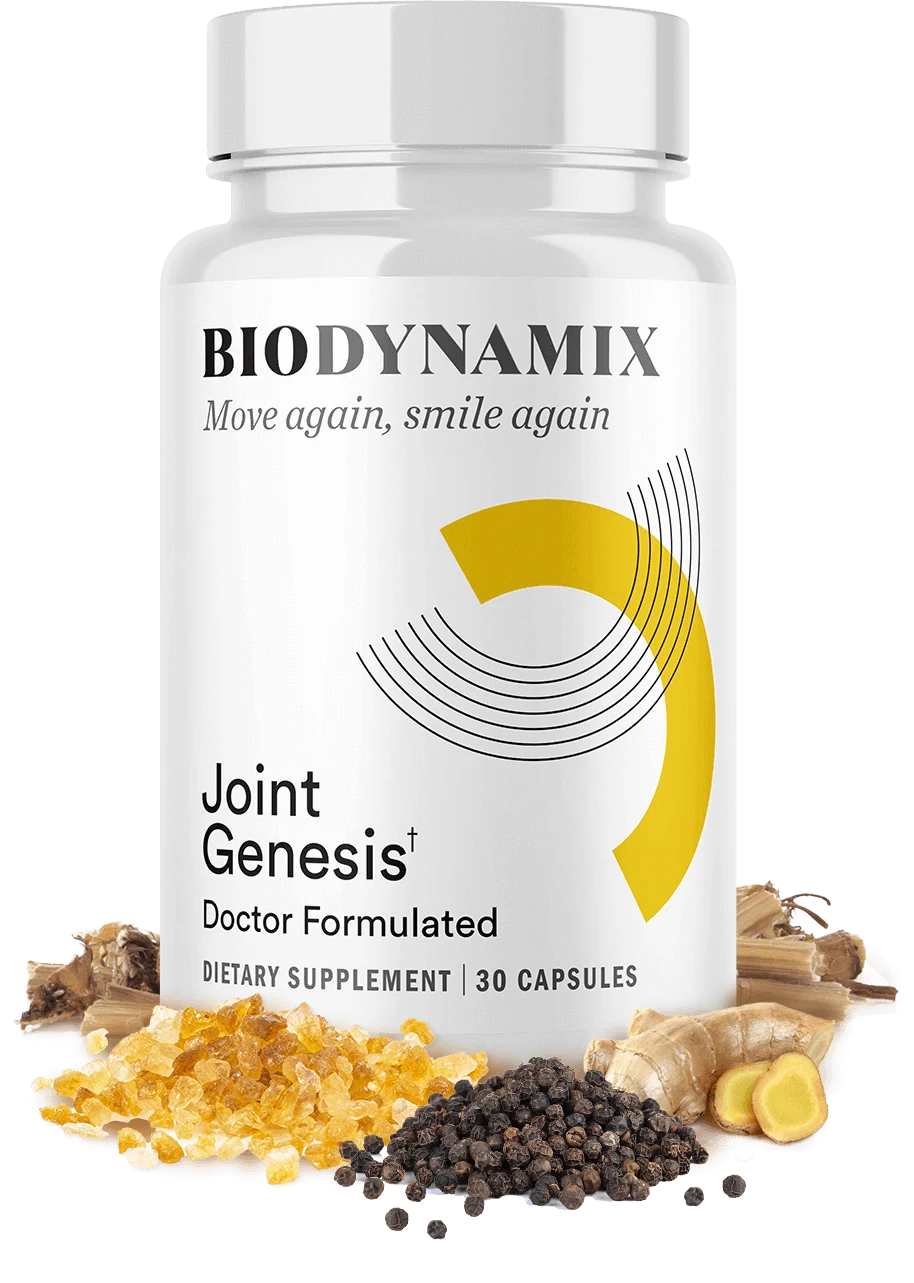
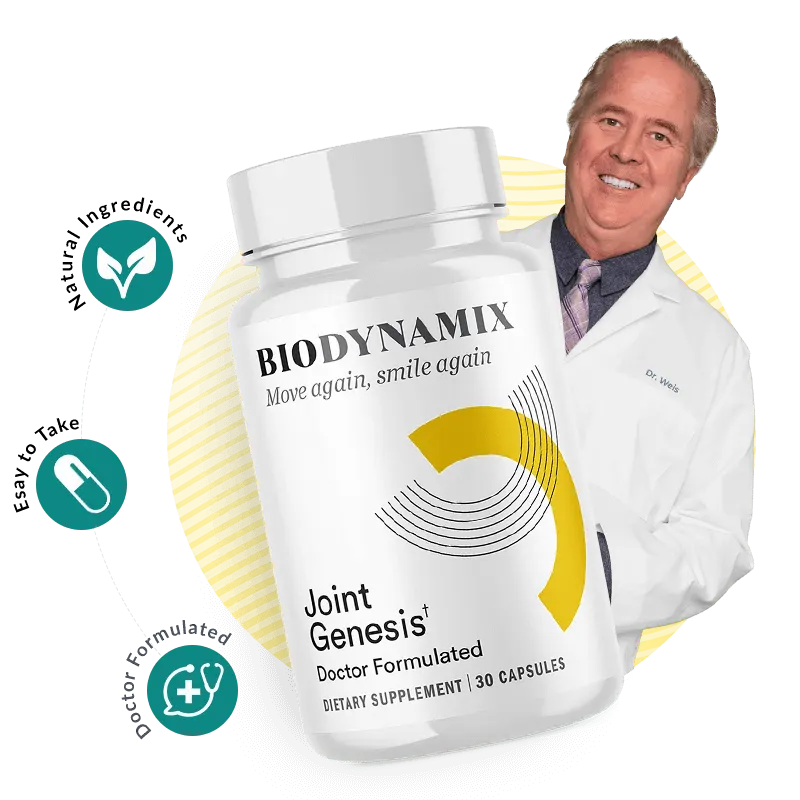
One such supplement designed with these principles in mind is Joint Genesis. It is formulated with a blend of natural ingredients chosen for their roles in supporting joint function and comfort. When considering a supplement, it's important to look for products that utilize science-backed ingredients and adhere to high manufacturing standards, ensuring both efficacy and safety.
By combining consistent, appropriate exercise with a nutrient-rich diet and a supportive supplement like Joint Genesis, you create a powerful strategy for managing joint pain, improving mobility, and fostering long-term joint health. This integrated approach addresses the multifaceted nature of joint degeneration, empowering you to live a more active and comfortable life.
Key Ingredients in Joint Genesis for Comprehensive Joint Support
Joint Genesis is formulated with a blend of natural ingredients selected for their potential to support joint health, enhance flexibility, and reduce discomfort. These components work synergistically to address various aspects of joint degeneration, complementing an active lifestyle and healthy diet.
Mobilee®
Role: A patented, natural extract of rooster comb rich in hyaluronic acid, collagen, and other glycosaminoglycans. It is scientifically proven to lubricate joints and support joint comfort. Mobilee® helps to restore the viscosity and elasticity of synovial fluid, which is crucial for smooth, pain-free joint movement and cartilage nourishment.
Ginger Root
Role: Widely recognized for its potent anti-inflammatory and antioxidant properties. Ginger root extract helps to calm inflammatory responses within the joints, which can significantly reduce pain and swelling associated with osteoarthritis. It has been used for centuries in traditional medicine for its soothing effects.
Boswellia Serrata Extract
Role: An ancient herbal extract known for its powerful anti-inflammatory effects. The active compounds, boswellic acids, specifically target inflammatory pathways in the body, helping to alleviate joint pain and improve physical function. It supports the body's natural response to inflammation, promoting greater comfort.
Pine Bark Extract
Role: A rich source of powerful antioxidants called proanthocyanidins. This extract helps protect joint tissues from oxidative stress and free radical damage, which can contribute to joint degeneration. It also supports healthy circulation, ensuring nutrients reach the joint structures more efficiently.
Bioperine®
Role: A patented extract derived from black pepper, primarily used to enhance the bioavailability of other nutrients. Bioperine® significantly improves the absorption of the other beneficial ingredients in Joint Genesis, ensuring your body can utilize them more effectively for maximum joint support and relief.
Ready for Enhanced Joint Comfort?
Don't let joint pain dictate your life. Combine the power of regular, targeted exercise with the advanced nutritional support of Joint Genesis. Our expertly formulated supplement is designed to work synergistically with your body's natural healing processes, providing the building blocks for healthy, lubricated joints.
- ✓ Supports healthy synovial fluid
- ✓ Nourishes cartilage for improved flexibility
- ✓ Reduces discomfort and stiffness
- ✓ Made with clinically-backed natural ingredients
- ✓ Manufactured in a GMP-certified facility




Hear From Our Satisfied Customers
"I was skeptical at first, but Joint Genesis combined with my daily walks has truly transformed my knee pain. I'm able to enjoy gardening again without constant discomfort. It's made a huge difference!"
"My rheumatologist recommended staying active, but my hands and hips were so stiff. After a few weeks on Joint Genesis, I felt a noticeable improvement in my flexibility. Now I can do my morning stretches with much less effort."
"I've tried many joint supplements, but Joint Genesis is the only one where I've genuinely felt a change. It's helped me stay consistent with my swimming routine, and my joint mobility is the best it's been in years."
Frequently Asked Questions
What types of exercises are best for joint health and arthritis?
+For joint health and arthritis, a balanced approach combining low-impact aerobic exercises (like swimming or cycling), strength training (using light weights or resistance bands), and flexibility exercises (such as stretching or yoga) is highly recommended. These help maintain joint mobility, strengthen supporting muscles, and reduce stiffness without excessive impact.
How often should someone with osteoarthritis exercise?
+Most health professionals recommend aiming for at least 150 minutes of moderate-intensity aerobic activity per week, along with 2-3 sessions of strength training and daily flexibility exercises. It’s crucial to listen to your body, start slowly, and gradually increase intensity and duration. Consistency is more important than strenuous, infrequent workouts.
Can exercise worsen joint pain or arthritis?
+While it's possible to overdo it or choose inappropriate exercises, a properly structured exercise program, especially with guidance from a healthcare professional, should not worsen joint pain. In fact, regular, appropriate exercise is proven to reduce pain, improve function, and slow disease progression. If you experience sharp pain, stop the activity and consult your doctor.
What are the benefits of combining exercise with joint support supplements like Joint Genesis?
+Combining regular exercise with a quality joint support supplement like Joint Genesis can offer synergistic benefits. Exercise directly strengthens muscles and improves joint mechanics, while supplements can provide targeted nutritional support for cartilage health, synovial fluid, and inflammation response, potentially enhancing comfort and recovery, allowing for more consistent exercise.
Are there any exercises to avoid with severe joint degeneration?
+With severe joint degeneration, it's generally advisable to avoid high-impact activities like running, jumping, or contact sports, as these can put excessive stress on compromised joints. Instead, focus on very low-impact options such as water aerobics, gentle cycling, chair exercises, or tai chi, always under the guidance of a physical therapist or doctor to ensure safety and effectiveness.
How can I stay motivated to exercise regularly with chronic joint pain?
+Staying motivated with chronic pain can be challenging. Try setting realistic, small goals, finding activities you genuinely enjoy, exercising with a friend, or joining a support group. Tracking your progress, celebrating small victories, and understanding the long-term benefits for your joint health can also provide significant motivation. Remember, even short bursts of activity are beneficial.
Related Articles