Can Your Diet Really Transform Your Joint Health?
For millions worldwide, joint pain, stiffness, and reduced mobility are daily realities, often stemming from conditions like osteoarthritis and age-related joint degeneration. While medical treatments and physical therapy play crucial roles, the profound impact of what we eat on our joint health is often underestimated.
Imagine a powerful, natural tool you use every day, three times a day, that can directly influence the inflammation levels in your body, support cartilage integrity, and potentially slow the progression of joint discomfort. This tool is your diet, and focusing on anti-inflammatory foods is a cornerstone of proactive joint care.
Understanding the Link Between Diet, Inflammation, and Joint Degeneration
Chronic inflammation is a silent enemy, particularly for your joints. It's a key player in the development and progression of osteoarthritis and other degenerative joint conditions.
Our bodies are designed to use inflammation as a protective mechanism against injury or infection. However, when this response becomes chronic, it can turn destructive, leading to the breakdown of cartilage – the flexible connective tissue that cushions your joints. This breakdown results in bone-on-bone friction, pain, stiffness, and ultimately, a significant reduction in quality of life. Understanding the various causes of osteoarthritis can help in managing the condition more effectively.
The foods we consume directly influence our body's inflammatory pathways. A diet rich in processed foods, unhealthy fats, and refined sugars can fuel systemic inflammation, creating a hostile environment for joint health. Conversely, a diet packed with specific nutrients can actively suppress inflammatory responses, protect cartilage, and support the body's natural repair mechanisms. This is why adopting an **anti-inflammatory diet** is not just about general wellness; it's a targeted strategy for **joint pain relief** and preserving joint function.
💡 Key Takeaway
Chronic inflammation, often exacerbated by diet, is a primary driver of joint degeneration. Shifting to an anti-inflammatory diet is a powerful, daily intervention to protect cartilage and reduce joint pain.
The Cornerstones of an Anti-Inflammatory Diet for Joint Health
Building a diet that supports your joints involves prioritizing foods known for their potent anti-inflammatory properties and avoiding those that promote inflammation.
Omega-3 Fatty Acids: Essential for Reducing Inflammation
These polyunsaturated fats are superstars for joint health. Omega-3s, particularly EPA and DHA, help reduce the production of inflammatory molecules in the body. They are crucial for maintaining cell membrane integrity and supporting overall cellular health.
Sources: Fatty fish like salmon, mackerel, sardines, and herring are excellent sources. Plant-based options include flaxseeds, chia seeds, walnuts, and canola oil, which provide alpha-linolenic acid (ALA), a precursor to EPA and DHA.
Abundant Fruits & Vegetables: Antioxidant Powerhouses
Fruits and vegetables are rich in antioxidants, vitamins, and minerals that combat oxidative stress and inflammation. Their diverse array of phytonutrients provides a broad spectrum of protective benefits for joint tissues and beyond.
Sources: Berries (blueberries, strawberries, raspberries), leafy greens (spinach, kale, collard greens), broccoli, bell peppers, tomatoes, and cherries are particularly beneficial. Aim for a colorful variety to maximize nutrient intake.
Whole Grains: Fiber-Rich Anti-Inflammatory Choices
Unlike refined grains, whole grains retain their bran, germ, and endosperm, providing essential fiber, B vitamins, and minerals. The fiber helps reduce C-reactive protein (CRP), a marker of inflammation, and supports a healthy gut microbiome, which is linked to systemic anti-inflammatory effects.
Sources: Oats, brown rice, quinoa, whole wheat bread, and whole grain pasta are excellent choices. Opt for minimally processed versions whenever possible.
Nuts & Seeds: Healthy Fats and Micronutrients
These small but mighty foods offer a wealth of healthy monounsaturated and polyunsaturated fats, fiber, and vitamin E, a potent antioxidant. They contribute to reducing inflammation and supporting overall cardiovascular health, which indirectly benefits joints.
Sources: Almonds, walnuts, pecans, cashews, flaxseeds, chia seeds, and pumpkin seeds are great additions to your daily diet.
Herbs & Spices: Nature's Anti-Inflammatory Medicine Cabinet
Many common herbs and spices possess powerful anti-inflammatory and pain-relieving properties, often used for centuries in traditional medicine. Incorporating them into your cooking adds flavor and significant health benefits.
Sources: Turmeric (with its active compound curcumin), ginger, garlic, cinnamon, and cayenne pepper are particularly noteworthy for their therapeutic effects on inflammation and joint discomfort.
Healthy Fats: The Olive Oil Advantage
Extra virgin olive oil is a staple of the Mediterranean diet, renowned for its health benefits. It contains oleocanthal, a compound that acts similarly to ibuprofen, reducing inflammation and pain. It's also rich in monounsaturated fats and antioxidants.
Sources: Primarily extra virgin olive oil. Avocado and avocado oil also provide beneficial monounsaturated fats.
Foods to Limit or Avoid for Optimal Joint Health
Just as certain foods can heal, others can harm. Minimizing your intake of pro-inflammatory foods is as critical as increasing your intake of beneficial ones.
Processed Foods & Refined Sugars
Foods high in added sugars (like sodas, candies, pastries) and highly processed items (fast food, pre-packaged meals) can trigger systemic inflammation, leading to increased joint pain and swelling. These foods often lack nutritional value and contribute to weight gain, adding stress to joints.
Excessive Red & Processed Meats
While lean protein is important, consuming large amounts of red meat and processed meats (sausages, bacon) has been linked to higher levels of inflammatory markers. These foods can contain advanced glycation end products (AGEs) and saturated fats that promote inflammation.
Refined Carbohydrates
White bread, white rice, pasta, and other refined grains have a high glycemic index, causing rapid spikes in blood sugar. This can lead to increased inflammation and oxidative stress, both detrimental to joint health. Opt for whole grain alternatives instead.
Unhealthy Fats (Trans & Excessive Saturated Fats)
Trans fats, found in partially hydrogenated oils (often in fried foods, baked goods, and some margarines), are highly inflammatory. Excessive saturated fats, common in full-fat dairy and some meats, can also contribute to inflammation. Focus on healthy unsaturated fats.
Beyond the Plate: Lifestyle Factors for Comprehensive Joint Support
While diet forms the bedrock of anti-inflammatory living, a holistic approach to joint health also incorporates several crucial lifestyle elements.
Regular Physical Activity: Exercise is paramount for joint health. It strengthens the muscles surrounding your joints, improving stability and reducing stress on cartilage. Movement also helps circulate synovial fluid, which lubricates joints and nourishes cartilage. Low-impact activities like swimming, cycling, walking, and yoga are particularly beneficial for those with existing joint concerns. Consult with a healthcare professional before starting any new exercise regimen to ensure it's appropriate for your condition.
Weight Management: Maintaining a healthy weight significantly reduces the load on weight-bearing joints such as the knees, hips, and spine. Even a modest weight loss can lead to substantial improvements in joint pain and function, especially for individuals with osteoarthritis. Every pound lost translates to several pounds less pressure on your knees.
Adequate Hydration: Water is a vital component of cartilage and synovial fluid, the lubricant that allows your joints to move smoothly. Staying well-hydrated helps maintain the elasticity of cartilage and the viscosity of synovial fluid, reducing friction and supporting overall joint function. Aim for at least 8 glasses of water daily.
Stress Reduction: Chronic stress can contribute to systemic inflammation and exacerbate pain. Incorporating stress-reducing practices like meditation, deep breathing exercises, mindfulness, or spending time in nature can have a positive impact on your overall well-being, including joint health.
By integrating these lifestyle factors with an **anti-inflammatory diet**, you create a powerful synergy that supports robust **natural joint health relief remedies** and slows the progression of joint degeneration.
💡 Key Takeaway
Optimal joint health requires more than just diet. Regular, low-impact exercise, healthy weight management, proper hydration, and stress reduction are equally vital pillars for comprehensive joint support.
When Diet Needs a Boost: Targeted Joint Health Supplements
While a diligently followed anti-inflammatory diet provides immense benefits, achieving optimal levels of certain joint-supportive nutrients solely through food can sometimes be challenging. This is where targeted supplementation can play a complementary role.
Even with the best intentions, modern diets can sometimes fall short of providing all the necessary building blocks and anti-inflammatory compounds required to vigorously combat joint degeneration, especially for individuals with existing conditions like osteoarthritis. Factors such as soil depletion, food processing, and individual metabolic needs can influence nutrient absorption and efficacy. In such cases, high-quality supplements can bridge nutritional gaps and deliver concentrated doses of ingredients known for their direct benefits to joint health.
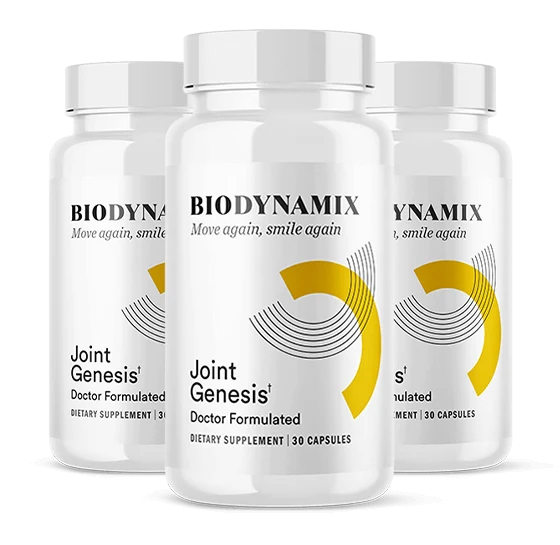
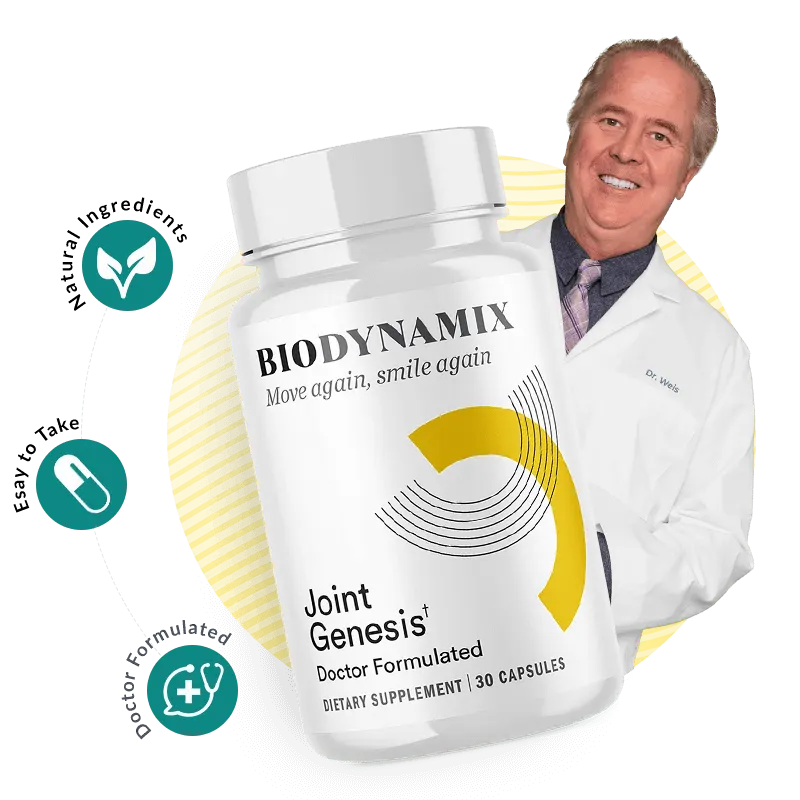
One such solution gaining attention for its comprehensive approach to joint health is Joint Genesis. It's formulated to work in harmony with a healthy lifestyle, providing specific compounds that support cartilage, reduce inflammation, and enhance joint lubrication. For a detailed analysis, you might want to read a full Joint Genesis review 2026.
Introducing Joint Genesis: Complementary Support for Your Joints
Joint Genesis is a dietary supplement designed to support joint health by targeting key aspects of joint function, working synergistically with your dietary efforts.
Mobilee®
A patented ingredient rich in hyaluronic acid, collagen, and other glycosaminoglycans. It is clinically shown to increase synovial fluid production, which is crucial for joint lubrication and shock absorption, directly addressing the root cause of joint stiffness and discomfort.
Ginger Root Powder
Known for its potent anti-inflammatory and antioxidant properties, ginger has been traditionally used to alleviate pain and swelling. It helps inhibit the production of inflammatory compounds, providing natural relief for joint discomfort.
Boswellia Serrata Extract
Derived from the frankincense tree, Boswellia is a powerful anti-inflammatory agent. Its active compounds, boswellic acids, help reduce inflammation and pain, particularly beneficial for individuals experiencing osteoarthritis symptoms.
BioPerine® (Black Pepper Extract)
This patented black pepper extract doesn't directly support joints but significantly enhances the bioavailability and absorption of other beneficial nutrients, ensuring that the body can effectively utilize the other active ingredients in Joint Genesis.
French Maritime Pine Bark Extract (Pycnogenol)
A powerful antioxidant and anti-inflammatory compound. Pycnogenol helps protect cartilage from degradation, improves blood flow to joints, and reduces inflammatory responses, contributing to improved joint comfort and flexibility.
Ready to Experience Enhanced Joint Comfort?
Take control of your joint health with Joint Genesis. Crafted with scientifically-backed ingredients, it's designed to lubricate your joints, soothe discomfort, and support healthy cartilage regeneration. Don't let joint pain hold you back any longer.
- ✓ Supports healthy synovial fluid for lubrication
- ✓ Promotes natural cartilage repair and regeneration
- ✓ Contains potent anti-inflammatory ingredients
- ✓ Enhances joint flexibility and mobility
- ✓ Made with 100% natural, science-backed ingredients




What Our Customers Are Saying
"After years of struggling with stiff knees, an anti-inflammatory diet helped a bit, but adding Joint Genesis made a real difference. I feel more flexible and less pain, especially in the mornings. It's truly been a game-changer for my daily walks!"
"I was skeptical about supplements, but my doctor suggested focusing on diet and trying a reputable joint support product. Joint Genesis, combined with my new eating habits, has dramatically improved my hip discomfort. I'm back to gardening without constant aches."
"My hands were constantly swollen and painful. Eating more anti-inflammatory foods was a good start, but Joint Genesis really helped push me over the edge. The swelling has gone down, and I can grip things much better now. Highly recommend it!"
Frequently Asked Questions
What is the most effective diet for joint health and combating osteoarthritis?
+The most effective diet for joint health emphasizes anti-inflammatory foods. This includes a rich intake of omega-3 fatty acids (found in fatty fish, flaxseeds), abundant fruits and vegetables (especially berries, leafy greens, and cruciferous vegetables), whole grains, nuts, seeds, and healthy fats like olive oil. Limiting processed foods, refined sugars, and unhealthy fats is equally crucial.
How do anti-inflammatory foods help reduce joint pain and degeneration?
+Anti-inflammatory foods contain compounds like antioxidants, polyphenols, and omega-3 fatty acids that combat chronic inflammation, a key driver of joint pain and cartilage degradation in conditions like osteoarthritis. By reducing systemic inflammation, these foods can alleviate discomfort, protect joint tissues, and slow the progression of joint degeneration.
Are there specific foods I should avoid if I have osteoarthritis?
+Yes, certain foods can exacerbate inflammation and should be limited or avoided. These include highly processed foods, sugary drinks and snacks, refined carbohydrates (white bread, pasta), excessive red and processed meats, and trans fats (found in many fried and fast foods). These items can promote inflammatory responses in the body, worsening joint symptoms.
Can supplements like Joint Genesis complement an anti-inflammatory diet?
+Absolutely. While a nutrient-rich diet is foundational, supplements like Joint Genesis are designed to provide concentrated doses of specific joint-supporting ingredients that might be difficult to obtain sufficiently from diet alone. Ingredients like Mobilee®, ginger, boswellia, and hyaluronic acid can work synergistically with a healthy diet to further enhance joint lubrication, reduce inflammation, and support cartilage health.
How long does it take to see improvements in joint health from dietary changes?
+The timeline for seeing improvements varies greatly among individuals, depending on the severity of their condition, consistency of diet, and overall lifestyle. Some people may notice subtle changes in a few weeks, while significant improvements often take several months of consistent adherence to an anti-inflammatory diet. Patience and persistence are key.
What role does hydration play in maintaining healthy joints?
+Hydration is vital for joint health. Water is a primary component of synovial fluid, which lubricates the joints and provides nutrients to cartilage. Adequate hydration helps maintain the viscosity of this fluid, ensuring smooth joint movement and efficient nutrient delivery, thereby reducing friction and supporting overall joint function.
Related Articles