Are you tired of chronic joint pain dictating your daily life?
Living with arthritis, particularly osteoarthritis and joint degeneration, can be a relentless battle against pain, stiffness, and reduced mobility. Simple tasks can become monumental challenges, impacting quality of life and independence. Many seek effective, non-pharmacological methods to alleviate their discomfort, and among the oldest and most widely used are hot and cold therapies.
These straightforward, accessible treatments offer a powerful way to manage joint pain at home, providing relief from inflammation, stiffness, and muscle soreness. Understanding when and how to apply heat and cold therapy for arthritis joint pain is crucial for maximizing their benefits and minimizing potential risks.
Understanding Osteoarthritis and Joint Degeneration
Before diving into therapies, it's essential to grasp what we're fighting against. Osteoarthritis (OA) is the most common form of arthritis, affecting millions worldwide. It's a progressive condition where the protective cartilage that cushions the ends of your bones wears down over time. This leads to bone rubbing on bone, causing pain, swelling, and stiffness.
Beyond cartilage loss, OA also involves changes in the entire joint, including the bone, ligaments, and menisci, as well as inflammation of the joint lining (synovium). This complex interplay of factors contributes to the chronic pain and functional limitations experienced by those with joint degeneration. While there's no cure for OA, various treatments, including hot and cold therapy, aim to manage symptoms, reduce pain, and improve joint function.
The pain associated with OA can range from mild aches to severe, debilitating discomfort. It often worsens with activity and improves with rest, though some individuals experience pain even during periods of inactivity. Stiffness is particularly common after periods of rest, such as first thing in the morning. Understanding the nature of your pain is key to choosing the most appropriate therapeutic approach.
💡 Key Takeaway
Hot and cold therapies are non-invasive, cost-effective methods to alleviate arthritis joint pain by targeting inflammation, stiffness, and muscle tension, offering significant relief for those with osteoarthritis and joint degeneration.
The Science Behind Hot and Cold Therapy
While seemingly simple, hot and cold therapies exert distinct physiological effects on the body that make them potent tools in pain management. Knowing these mechanisms helps in choosing the right therapy at the right time.
Heat Therapy (Thermotherapy)
Heat therapy works by increasing blood flow to the affected area. This vasodilation brings more oxygen and nutrients to the tissues, helping to relax tight muscles and connective tissues around the joint. The increased circulation also aids in flushing away metabolic waste products that can contribute to pain. Heat effectively reduces muscle spasms and can prepare stiff joints for activity.
Cold Therapy (Cryotherapy)
Cold therapy, conversely, causes vasoconstriction, meaning it narrows blood vessels and reduces blood flow to the area. This helps to minimize swelling, inflammation, and bruising. The cold also numbs nerve endings, providing a temporary analgesic effect that can significantly reduce pain perception. It's particularly effective for acute injuries or flare-ups where inflammation is a primary concern.
Alternating (Contrast) Therapy
Combining hot and cold therapy through alternation creates a "pumping" action. The heat brings blood to the area, and the cold then moves it away. This cyclical process can help reduce swelling and improve circulation without causing excessive accumulation of fluid, making it beneficial for chronic swelling and stiffness where inflammation isn't acute but circulation might be sluggish.
When to Use Hot Therapy for Arthritis
Heat is your ally against stiffness and chronic aches. It's particularly beneficial for preparing your joints for activity or soothing persistent discomfort.
Hot therapy, or thermotherapy, is ideal for chronic pain, stiffness, and muscle soreness that often accompanies osteoarthritis. It's particularly effective in the morning when joints feel stiffest, or before engaging in physical activity. The warmth helps to increase circulation, relax muscles, and improve the flexibility of connective tissues, making movement less painful. This can be especially helpful for conditions like swimming for joint pain, as warming up the joints beforehand can enhance comfort and performance.
Applications of Heat Therapy:
- Warm Compresses or Heat Packs: These can be electric, gel-filled, or even a towel soaked in warm water. Apply for 15-20 minutes.
- Warm Baths or Showers: Soaking in warm water can provide widespread relief, especially for multiple affected joints.
- Paraffin Wax Baths: Excellent for small joints like hands and feet, paraffin wax provides deep, moist heat that can significantly reduce stiffness.
- Infrared Lamps: These lamps deliver penetrating heat that can soothe deeper tissues.
Precautions for Hot Therapy:
While generally safe, avoid applying heat to areas that are swollen, bruised, or have open wounds. Do not use heat if you have poor circulation, diabetes, or nerve damage unless directed by a doctor, as you might not feel if the heat is too intense. Always use a barrier, like a towel, between your skin and the heat source to prevent burns. Never fall asleep with a heating pad on.
When to Use Cold Therapy for Arthritis
Cold therapy is your go-to for acute pain, swelling, and inflammation. It's a rapid response for sudden flare-ups or post-activity discomfort.
Cold therapy, or cryotherapy, is most effective for acute pain, swelling, and inflammation. If your joint is hot, swollen, or throbbing, cold is usually the better choice. It helps to constrict blood vessels, reducing blood flow to the area, which in turn minimizes swelling and inflammation. The numbing effect of cold also provides immediate pain relief.
Applications of Cold Therapy:
- Ice Packs: You can use commercial gel packs, a bag of frozen vegetables, or crushed ice in a plastic bag. Wrap it in a thin towel.
- Cold Compresses: A towel dampened with cold water and placed in the freezer for a few minutes can create a quick cold compress.
- Ice Massage: Rubbing an ice cube directly over a small, painful area for a short duration can provide targeted relief, especially for muscle knots around the joint.
- Cold Baths or Soaks: For larger areas or multiple joints, a cold bath (e.g., for hands or feet) can be effective.
Precautions for Cold Therapy:
Similar to heat, always use a barrier to protect your skin from direct contact with ice to prevent frostbite. Limit application to 15-20 minutes at a time, removing the cold pack if your skin becomes numb or excessively red. Avoid cold therapy if you have poor circulation, Raynaud's phenomenon, nerve damage, or an open wound. If pain worsens or persists, consult your doctor.
Alternating (Contrast) Therapy for Persistent Stiffness
For some types of chronic stiffness and mild swelling, alternating between hot and cold can offer unique benefits, acting as a vascular "pump."
How it Works
Contrast therapy involves applying heat for a few minutes, then immediately switching to cold for a few minutes, and repeating the cycle. The heat causes vasodilation, bringing blood to the area, while the cold causes vasoconstriction, pushing blood away. This creates a "pumping" action that can help reduce chronic swelling and improve circulation, which can be beneficial for persistent stiffness and promoting healing.
Application Method
Typically, you would apply heat for 3-5 minutes, followed by cold for 1 minute. Repeat this cycle 3-5 times, always ending with cold. This can be done with two separate basins of water (one hot, one cold) for hands or feet, or with alternating hot and cold packs for larger joints. Ensure the hot water is warm but not scalding, and the cold water is genuinely cold.
When to Consider
Contrast therapy is often used for chronic joint stiffness, mild swelling that isn't acutely inflamed, and to improve range of motion. It's less suitable for acute injuries or severe inflammation where consistent cold is usually preferred. Always consult your healthcare provider before starting contrast therapy, especially if you have sensitive skin or circulatory issues.
Tips for Safe and Effective Hot and Cold Application
Maximizing the benefits of hot and cold therapy while minimizing risks requires careful attention to detail.
Consistent and correct application is key to getting the most out of hot and cold therapy for your arthritis. Here are some essential tips:
- Use a Barrier: Always place a towel or cloth between your skin and the hot or cold pack. This prevents burns from heat and frostbite from cold.
- Timing is Crucial: Limit applications to 15-20 minutes at a time. Longer durations can increase the risk of skin damage (burns or frostbite) and may not provide additional therapeutic benefit. Allow your skin to return to its normal temperature before reapplication.
- Listen to Your Body: If you experience increased pain, numbness, blistering, or excessive skin redness, stop the therapy immediately.
- Positioning: Position yourself comfortably so the pack stays in place without causing strain. Elevating the affected joint, especially during cold therapy, can also help reduce swelling.
- Consistency: For chronic conditions, regular application (e.g., once or twice a day) can be more effective than sporadic use.
- Consult Your Doctor: Before starting any new therapy, especially if you have underlying health conditions like diabetes, nerve damage, heart disease, or circulatory problems, consult your physician. They can provide personalized advice and ensure it's safe for you.
- Combine with Other Strategies: Hot and cold therapy should be part of a broader pain management plan that may include exercise (like swimming for joint pain), medication, and nutritional support.
Remember, while these therapies are highly effective for symptomatic relief, they do not address the underlying causes of joint degeneration. For comprehensive joint health, consider a multi-faceted approach.
Beyond Hot & Cold: A Holistic Approach to Joint Health
While hot and cold therapies offer excellent symptomatic relief, true long-term joint health involves a more comprehensive, holistic strategy. Managing osteoarthritis and joint degeneration effectively means addressing multiple facets of your well-being.
Balanced Nutrition
A diet rich in anti-inflammatory foods can significantly impact joint health. Focus on fruits, vegetables, whole grains, lean proteins, and healthy fats like omega-3s. Limiting processed foods, sugar, and unhealthy fats can reduce systemic inflammation that exacerbates joint pain. Ensuring adequate intake of essential nutrients like vitamin D and calcium for joint health is also crucial for bone density and cartilage support.
Regular, Low-Impact Exercise
Movement is medicine for joints. Low-impact exercises like walking, cycling, swimming, and yoga can strengthen muscles around the joints, improve flexibility, and increase the production of synovial fluid, which lubricates the joints. Consistency is key, even on days with mild discomfort. Always start slowly and consult a physical therapist for an exercise plan tailored to your condition.
Targeted Supplementation
For many, dietary supplements can play a vital role in supporting joint health, especially when the diet alone may not provide sufficient levels of specific joint-supporting compounds. Ingredients such as hyaluronic acid, collagen, turmeric, and Boswellia serrata are popular choices known for their potential to reduce inflammation, support cartilage, and maintain synovial fluid health. These can complement external therapies by working from within.
Weight Management
Excess body weight places significant stress on weight-bearing joints like the knees and hips, accelerating cartilage wear and increasing pain. Even a modest weight loss can dramatically reduce the load on your joints and alleviate symptoms. Combining a healthy diet with regular exercise is the most effective strategy for sustainable weight management.
Stress Reduction & Sleep
Chronic stress can heighten pain perception and contribute to inflammation. Practices like meditation, deep breathing, and mindfulness can help manage stress levels. Adequate, restorative sleep is also critical for the body's repair processes and overall pain management. Prioritizing 7-9 hours of quality sleep can significantly impact how you cope with joint pain.
Introducing Joint Genesis: Supporting Your Joints from Within
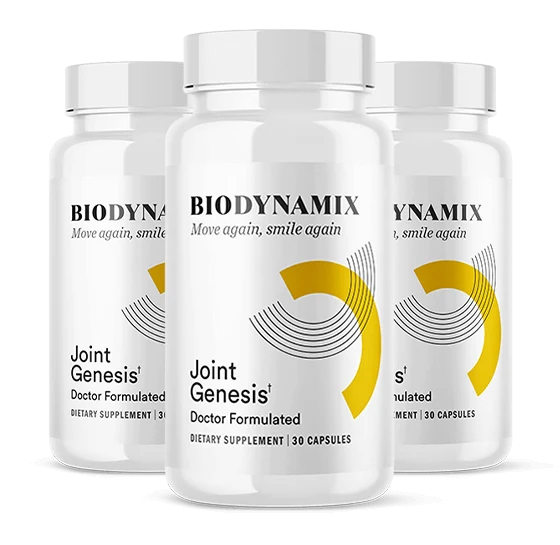
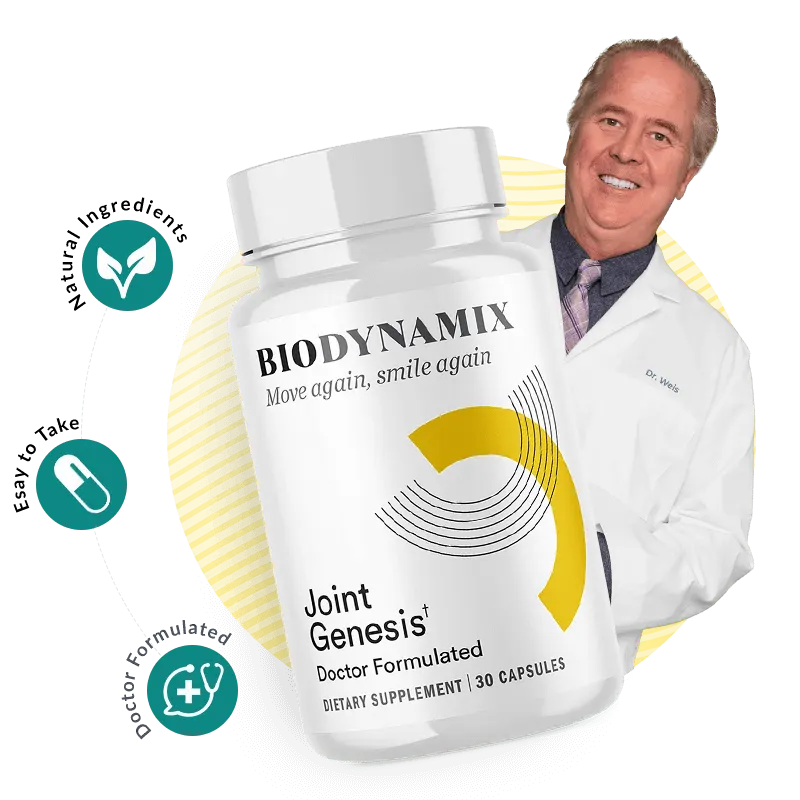
While external therapies like hot and cold provide symptomatic relief, a truly comprehensive approach to managing joint degeneration often includes supporting joint health internally. This is where a targeted supplement like Joint Genesis can play a crucial role.
Joint Genesis is formulated with a blend of natural ingredients designed to support the health of your synovial fluid and cartilage, which are vital components for smooth, pain-free joint movement. As we age, the quality and quantity of synovial fluid, particularly its hyaluronic acid content, can decline. This fluid acts as a cushion and lubricant, and its degradation is a key factor in osteoarthritis and joint pain.
Understanding the importance of synovial fluid, Joint Genesis aims to provide key nutrients that nourish and protect this essential joint component. By supporting the body's natural mechanisms for maintaining healthy synovial fluid, it works to improve joint lubrication and cushioning, reduce friction, and thereby alleviate discomfort associated with joint degeneration.
Ingredients like Mobilee®, a patented complex containing hyaluronic acid, collagen, and other polysaccharides, are at the forefront of this formulation. Mobilee® has been clinically studied for its ability to support synovial fluid production and promote cartilage health. This makes it a powerful complement to external pain management strategies. You can read more about its benefits in articles like mobilee hyaluronic acid joint supplement.
Integrating a supplement like Joint Genesis into your daily routine, alongside hot and cold therapy, a healthy diet, and appropriate exercise, offers a multi-pronged strategy to reclaim your mobility and comfort. It's about providing your body with the tools it needs to maintain joint integrity, reducing the reliance on temporary pain relief and fostering long-term joint well-being.
Key Ingredients in Joint Genesis for Comprehensive Joint Support
Joint Genesis is formulated with a synergistic blend of natural ingredients, each selected for its scientifically-backed role in supporting joint health, lubricating cartilage, and combating inflammation. These ingredients work together to address the root causes of joint discomfort and maintain the integrity of your synovial fluid.
Mobilee®
Role: A patented ingredient containing a high concentration of hyaluronic acid, collagen, and polysaccharides. It's clinically shown to support the health and production of synovial fluid, enhancing joint lubrication and cushioning.
Typical dose: 80 mg dailyGinger Root (Zingiber officinale)
Role: Renowned for its potent anti-inflammatory and antioxidant properties. Ginger can help reduce pain and swelling in arthritic joints by inhibiting inflammatory pathways, offering a natural analgesic effect.
Typical dose: 200-500 mg extract dailyBoswellia Serrata Extract
Role: Contains boswellic acids, powerful compounds that help reduce inflammation by targeting specific enzymes in the body. It's often used to alleviate pain and improve mobility in individuals with osteoarthritis.
Typical dose: 100-250 mg extract dailyPine Bark Extract (Pycnogenol®)
Role: A rich source of antioxidants called proanthocyanidins. It helps protect joint tissues from oxidative stress and reduces inflammation, contributing to pain relief and improved joint function.
Typical dose: 50-100 mg dailyBioPerine® (Black Pepper Extract)
Role: Included to enhance the bioavailability and absorption of other beneficial ingredients in the formula. This ensures that your body can effectively utilize the joint-supporting compounds for maximum benefit.
Typical dose: 5-10 mg dailyHyaluronic Acid (Additional)
Role: A crucial component of synovial fluid, responsible for its lubricating and shock-absorbing properties. Supplemental HA helps replenish the body's natural stores, maintaining joint hydration and smooth movement.
Typical dose: 80-200 mg daily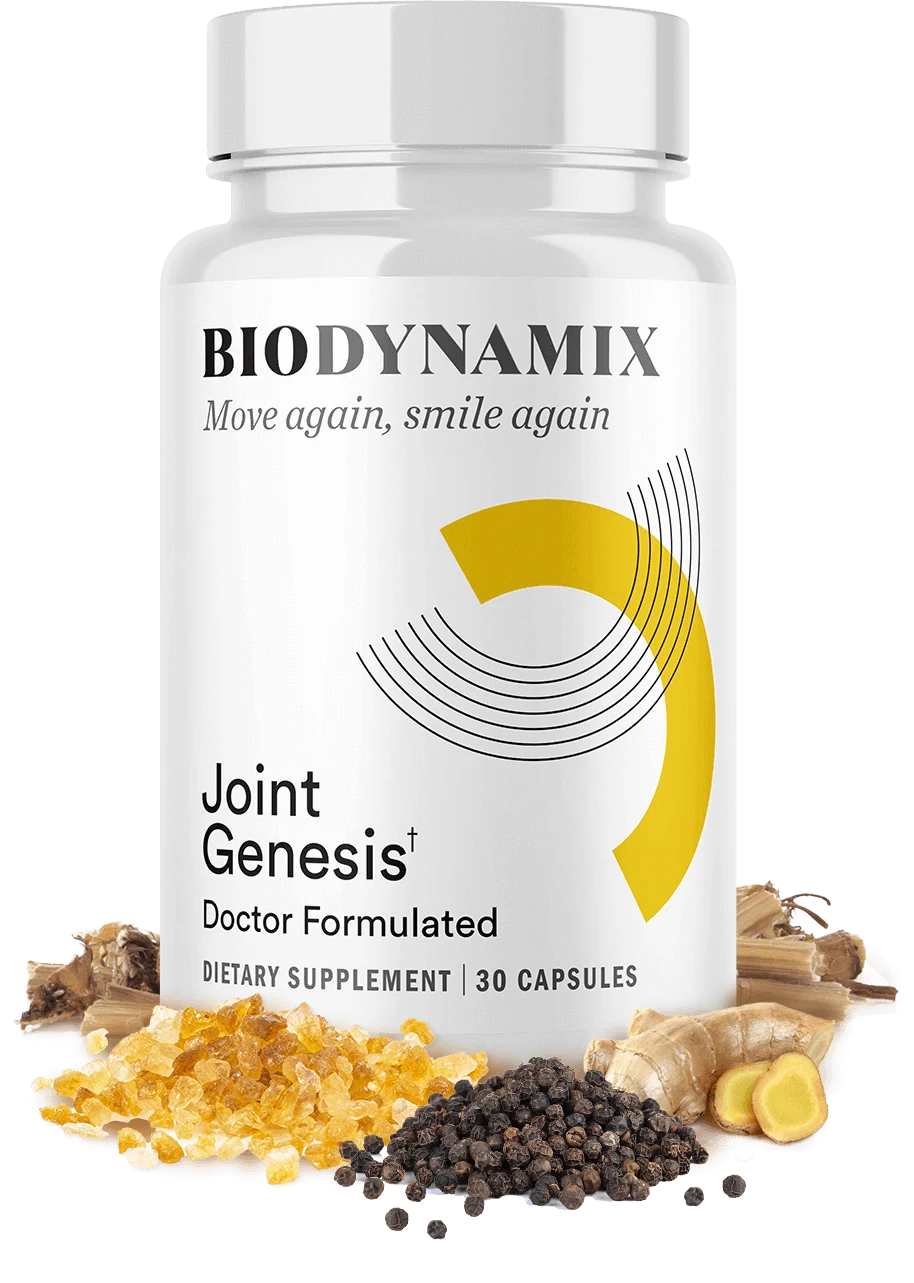
Ready for a New Chapter of Joint Comfort?
Take the next step towards enhanced joint health and mobility. Joint Genesis offers a scientifically-backed approach to supporting your joints from within, complementing your external pain management strategies.
- ✓ Supports Healthy Synovial Fluid
- ✓ Promotes Joint Lubrication & Flexibility
- ✓ Natural Ingredients, Clinically Studied
- ✓ Made in USA, GMP Certified
- ✓ 60-Day Money-Back Guarantee




What Our Customers Are Saying
"I've tried everything for my knee pain, including regular ice and heat. Adding Joint Genesis has made a noticeable difference in my overall comfort and flexibility. It feels like my joints are actually lubricated again!"
"My mornings used to be a struggle with stiff hands. Hot paraffin dips helped, but Joint Genesis really tackled the underlying issue. Now I wake up with less stiffness and more readiness to start my day."
"As an active senior, joint health is paramount. I use hot packs after my walks and Joint Genesis daily. The combination has kept me moving and enjoying my life without constant pain. Highly recommend!"
Frequently Asked Questions
What is the primary difference between hot and cold therapy for arthritis?
+Hot therapy works by increasing blood flow, relaxing muscles, and reducing joint stiffness. Cold therapy, on the other hand, reduces blood flow, numbs the area, and decreases inflammation and swelling. They target different aspects of arthritis pain and symptoms.
When should I use hot therapy for my arthritic joints?
+Hot therapy is generally recommended for chronic pain, stiffness, and muscle aches. It's often beneficial before physical activity or in the morning to loosen stiff joints. It helps improve flexibility and soothe persistent discomfort.
When is cold therapy more appropriate for arthritis pain?
+Cold therapy is best for acute pain, sudden flare-ups, swelling, and inflammation. It can help numb the painful area and reduce tissue damage immediately after an aggravating activity or injury. Always apply cold within the first 48 hours of an acute flare.
Can I use hot and cold therapy together, or alternate them?
+Yes, alternating hot and cold therapy, also known as contrast therapy, can be highly effective for some individuals with chronic joint stiffness. This technique involves switching between heat and cold applications, which can create a 'pumping' action that helps reduce swelling and improve circulation. Consult your doctor for specific guidance.
Are there any risks or precautions I should be aware of with hot and cold therapy?
+Yes, always use a barrier (like a towel) between your skin and the heat or cold source to prevent burns or frostbite. Avoid applying heat to swollen or inflamed areas, and avoid cold on open wounds or areas with poor circulation. Limit application to 15-20 minutes at a time and consult a doctor if you have any underlying health conditions like diabetes or nerve damage.
How can Joint Genesis complement hot and cold therapy for joint health?
+Joint Genesis is a dietary supplement designed to support joint health from within, focusing on maintaining healthy synovial fluid and cartilage. While hot and cold therapy provides external, symptomatic relief, Joint Genesis works internally to address the root causes of joint discomfort. Used together, they offer a comprehensive approach to managing osteoarthritis and promoting overall joint well-being. Always consult your healthcare provider before starting any new supplement.
Related Articles