Are You Giving Your Bones and Joints the Foundational Support They Truly Need?
In the quest for lasting mobility and comfort, many of us focus on immediate pain relief, often overlooking the fundamental building blocks our bodies require. While groundbreaking advancements in joint care continue to emerge, the bedrock of robust joint health remains rooted in essential nutrients.
Among these, Vitamin D and Calcium stand out as an indispensable duo, working in powerful synergy to maintain not just strong bones, but also to significantly influence the health and resilience of your joints. Understanding their profound impact is the first step towards a future free from the constraints of joint degeneration and discomfort.
The Unbreakable Link: Bones, Joints, and Your Overall Mobility
Our skeletal system provides the framework for our bodies, and where bones meet, joints facilitate movement. This intricate relationship means that the health of one directly impacts the other. Strong, healthy bones are essential for providing stable support to our joints, while well-nourished joints ensure smooth, pain-free motion.
At the heart of this system, especially as we age, lies the challenge of conditions like osteoarthritis and joint degeneration. Osteoarthritis, a debilitating condition affecting millions worldwide, is characterized by the breakdown of cartilage—the protective tissue cushioning the ends of bones within a joint. This breakdown leads to pain, stiffness, and reduced mobility. While cartilage damage is central, the health of the underlying bone also plays a crucial role in disease progression and severity. This is where the foundational nutrients, Vitamin D and Calcium, become indispensable guardians of our musculoskeletal well-being.
Many factors contribute to joint degeneration, including genetics, age, injury, and lifestyle. However, increasingly, research points to the critical role of nutrition in both preventing and managing these conditions. A holistic approach to joint health must therefore consider not just the joint itself, but the entire supportive structure, starting with bone density and strength, and extending to systemic inflammation control. Ignoring these fundamental aspects is akin to building a house on a shaky foundation.
💡 Key Takeaway
Optimal bone health, driven by adequate Vitamin D and Calcium, is not just about preventing osteoporosis; it's a critical prerequisite for healthy, functional joints, especially in the context of preventing and managing osteoarthritis and joint degeneration.
Vitamin D: The Sunshine Vitamin's Role Beyond Bones
Often called the "sunshine vitamin," Vitamin D is renowned for its role in bone health. However, its influence extends far beyond, impacting immune function, inflammation, and directly contributing to joint integrity.
The primary function of Vitamin D is to regulate calcium and phosphate levels in the body, which are vital for the mineralization of bone. Without sufficient Vitamin D, your body cannot absorb calcium effectively from your diet, leading to conditions like osteomalacia in adults and rickets in children, both characterized by soft, weak bones. For individuals facing osteoarthritis and joint degeneration, this means a compromised skeletal structure that can exacerbate joint stress and accelerate cartilage breakdown.
Beyond its skeletal duties, Vitamin D is a powerful immunomodulator and anti-inflammatory agent. Chronic low-grade inflammation is a hallmark of osteoarthritis, contributing to pain and cartilage damage. Studies have shown that adequate Vitamin D levels can help reduce inflammatory markers and may slow the progression of cartilage loss. This anti-inflammatory effect is particularly beneficial for mitigating the symptoms associated with joint degeneration, offering a natural pathway to greater comfort.
Recognizing Vitamin D Deficiency
Despite its importance, Vitamin D deficiency is remarkably common, affecting a significant portion of the global population. Factors contributing to this include limited sun exposure (due to indoor lifestyles, sunscreen use, or geographical location), darker skin tones (which produce less Vitamin D from sunlight), and certain medical conditions that impair absorption. Symptoms of deficiency can be subtle, ranging from fatigue and muscle weakness to more severe bone pain and increased susceptibility to infections. For joint health, chronic deficiency can silently contribute to the worsening of conditions like osteoarthritis.
Sources of Vitamin D
- Sunlight Exposure: The most natural and efficient way to obtain Vitamin D. Aim for 10-30 minutes of midday sun exposure several times a week, depending on your skin type and location.
- Fatty Fish: Salmon, mackerel, tuna, and sardines are excellent dietary sources.
- Fortified Foods: Many dairy products, plant-based milks, cereals, and orange juice are fortified with Vitamin D.
- Supplements: For those with limited sun exposure or dietary intake, Vitamin D3 (cholecalciferol) supplements are highly effective.
Ensuring optimal Vitamin D levels is a proactive step towards safeguarding your bones and providing your joints with the essential support they need to function optimally and resist the onslaught of degenerative conditions.
Calcium: The Foundation of Strong Bones and Joint Stability
Calcium is the most abundant mineral in the human body, with 99% of it stored in our bones and teeth. It is the primary building block of our skeletal structure, providing strength and rigidity. But its role in joint health extends beyond just strong bones.
While calcium is crucial for bone density, which directly impacts the structural integrity supporting our joints, it also plays vital roles in muscle contraction, nerve transmission, and hormone secretion. These functions are indirectly but significantly important for joint health. Strong muscles provide stability around joints, preventing excessive strain and injury. Efficient nerve signals ensure proper coordination and movement, reducing the risk of falls and impacts that can damage joints. For comprehensive joint care, exploring options like natural alternatives to joint injections can be beneficial, but these should always complement a strong nutritional foundation.
The Calcium-Joint Connection
In the context of osteoarthritis and joint degeneration, maintaining adequate calcium levels is paramount. Bones act as a reservoir for calcium, releasing it into the bloodstream when needed. If dietary intake is insufficient, the body will draw calcium from the bones, leading to reduced bone mineral density over time. Weakened bones are more susceptible to micro-fractures and stress, which can negatively impact the joint surfaces they support, potentially accelerating cartilage wear and increasing pain.
It's important to note that while calcium is essential, its relationship with joint health is nuanced. Some studies have explored links between calcium supplementation and arterial calcification, but this is typically associated with very high doses and often in the absence of adequate Vitamin D. The key is balance and ensuring sufficient intake through diet and, if necessary, moderate supplementation under medical guidance.
Top Calcium Sources
- Dairy Products: Milk, yogurt, and cheese are excellent and widely available sources of calcium.
- Leafy Green Vegetables: Kale, collard greens, and broccoli provide good amounts of calcium, along with other beneficial nutrients.
- Fortified Foods: Many plant-based milks (almond, soy, oat), juices, and cereals are fortified with calcium.
- Certain Fish: Canned sardines and salmon (with bones) are surprisingly rich in calcium.
- Nuts and Seeds: Almonds, chia seeds, and sesame seeds offer smaller but significant amounts.
Achieving the recommended daily intake of calcium is a cornerstone of preventing bone loss and supporting the robust framework that allows our joints to function smoothly for years to come.
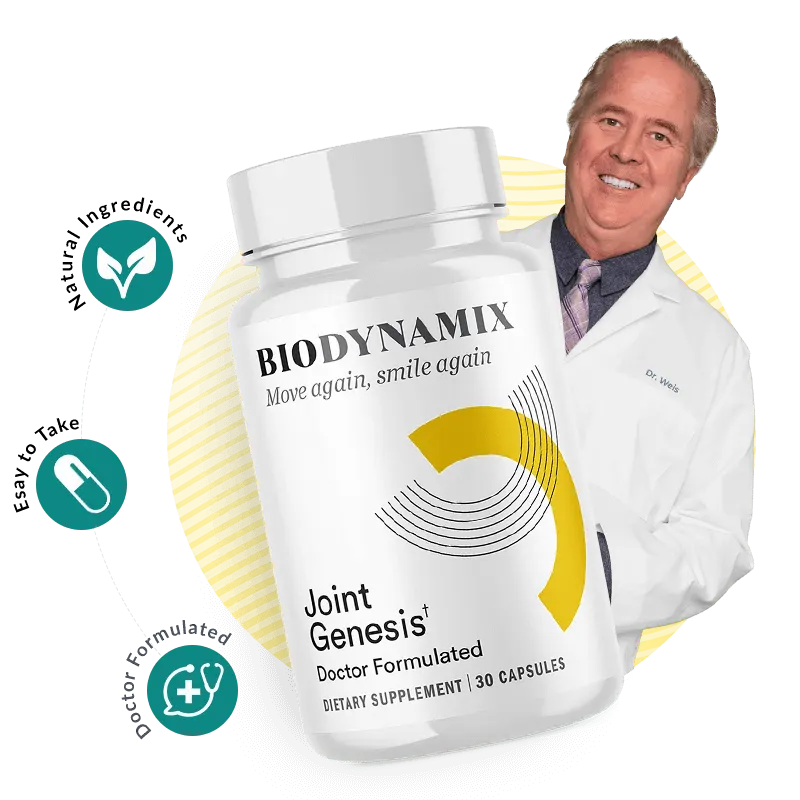
comprehensive support for your joints.
The Synergistic Dance: How Vitamin D and Calcium Work Together for Joint Health
Individually, Vitamin D and Calcium are vital. Together, they form an incredibly powerful duo that provides comprehensive support for your musculoskeletal system, directly influencing the longevity and comfort of your joints.
Optimized Calcium Absorption
Vitamin D's most critical role in this partnership is facilitating the absorption of dietary calcium in the gut. Without sufficient Vitamin D, even a calcium-rich diet can fail to provide the body with enough of this essential mineral, leading to calcium being drawn from bones to maintain blood levels. This directly compromises bone density, weakening the structural support for joints.
Enhanced Bone Mineralization
Once absorbed, Vitamin D also helps regulate the deposition of calcium into bone tissue. This process, known as mineralization, ensures that bones remain strong, dense, and resilient. For joints, this means a stable foundation, reducing the micro-trauma and stress that can contribute to cartilage wear and the progression of osteoarthritis.
Reduced Inflammation and Pain
Beyond bone health, the anti-inflammatory properties of Vitamin D complement calcium's role. Chronic inflammation is a key driver of joint pain and degeneration. By modulating immune responses and reducing inflammatory cytokines, Vitamin D helps create a healthier environment within the joint. This can alleviate discomfort and potentially slow the degenerative process, particularly in conditions like osteoarthritis.
Support for Muscle and Nerve Function
Calcium is vital for proper muscle contraction and nerve signal transmission. Vitamin D indirectly supports these functions by ensuring calcium availability. Strong, well-coordinated muscles provide dynamic stability to joints, protecting them from excessive strain. Healthy nerve function ensures proper proprioception (awareness of body position), reducing the risk of falls and injuries that can severely impact joint health.
Holistic Joint Protection
Together, Vitamin D and Calcium offer a holistic layer of protection against joint degeneration. By fostering strong bones, minimizing inflammation, and supporting essential physiological processes, they contribute significantly to maintaining joint structure and function. This foundational support is crucial, especially as we age, to preserve mobility and quality of life.
Beyond D & Calcium: A Holistic Approach to Joint Health
While Vitamin D and Calcium are foundational, achieving optimal joint health, especially in the face of osteoarthritis and joint degeneration, requires a broader strategy. A comprehensive approach integrates diet, lifestyle, and targeted supplementation.
For individuals managing or seeking to prevent joint issues, focusing solely on calcium and Vitamin D might not be enough. The complex ecosystem of a joint, particularly the synovial fluid that lubricates it and the cartilage that cushions it, requires a diverse array of nutrients and supportive compounds. This is where a more advanced, multi-ingredient supplement can play a crucial role, working in conjunction with your foundational nutrient intake.
Dietary Considerations
An anti-inflammatory diet, rich in omega-3 fatty acids, antioxidants, and phytonutrients, can significantly impact joint health. Foods like fatty fish, colorful fruits and vegetables, nuts, and seeds help combat systemic inflammation. Limiting processed foods, sugar, and excessive red meat can also reduce inflammatory responses. For more detailed insights, you can explore resources on the best diet for joint health.
Lifestyle Factors
- Regular Exercise: Low-impact activities like swimming, cycling, and walking strengthen muscles around the joints, improve flexibility, and promote synovial fluid circulation.
- Weight Management: Maintaining a healthy weight reduces the load on weight-bearing joints (knees, hips), significantly slowing the progression of osteoarthritis.
- Proper Posture and Ergonomics: Protecting your joints from undue stress in daily activities can prevent wear and tear.
- Adequate Sleep: Allows the body to repair and regenerate, including joint tissues.
Targeted Support: How Joint Genesis Complements Your Joint Health Strategy
While Vitamin D and Calcium lay the groundwork for strong bones, directly impacting joint stability, optimal joint function and resilience against degeneration also depend on the health of synovial fluid and cartilage. This is where specialized ingredients, carefully selected for their direct impact on joint tissues, become invaluable.
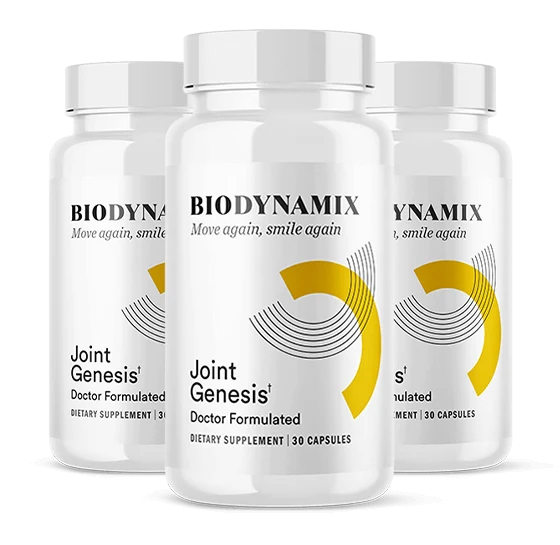
Joint Genesis is formulated to provide advanced support for joint health by focusing on key aspects often overlooked by general bone health supplements. It is designed to complement your intake of foundational nutrients, offering a multi-pronged approach to combat osteoarthritis and joint degeneration. By nurturing the synovial fluid and supporting cartilage, Joint Genesis aims to enhance lubrication, reduce friction, and promote overall joint comfort and flexibility.
Unlike basic Vitamin D or Calcium supplements, Joint Genesis addresses the specific needs of aging or degenerating joints. It works by targeting the health of the "youthful synovial fluid" within your joints, which is crucial for nutrient delivery to cartilage and for providing a smooth, cushioned environment. When considering different options for joint support, understanding how a comprehensive supplement like Joint Genesis compares to other options can be very helpful. You can learn more by reading about Joint Genesis vs. other supplements.
The unique blend of ingredients in Joint Genesis is chosen for its synergistic effects, aiming to provide a comprehensive solution for those seeking to maintain active, pain-free lives. It's about providing your joints with the essential elements they need to stay lubricated, nourished, and resilient against the challenges of daily life and aging.
Key Ingredients in Joint Genesis for Advanced Joint Support
Joint Genesis brings together a blend of scientifically-backed ingredients, each playing a crucial role in supporting joint health, lubrication, and comfort.
Mobilee® (Hyaluronic Acid)
Role: A patented ingredient rich in hyaluronic acid, Mobilee® is crucial for maintaining the viscosity and elasticity of synovial fluid. It acts as a lubricant and shock absorber within the joint, helping to reduce friction and improve mobility. It also supports the health of joint tissues by promoting nutrient delivery to cartilage.
Boswellia Serrata Extract (ApresFlex®)
Role: ApresFlex® is a highly bioavailable form of Boswellia serrata, known for its powerful anti-inflammatory properties. It helps to inhibit enzymes that contribute to inflammation and cartilage degradation, thereby reducing joint pain and stiffness and supporting overall joint comfort and function.
Ginger Root Extract
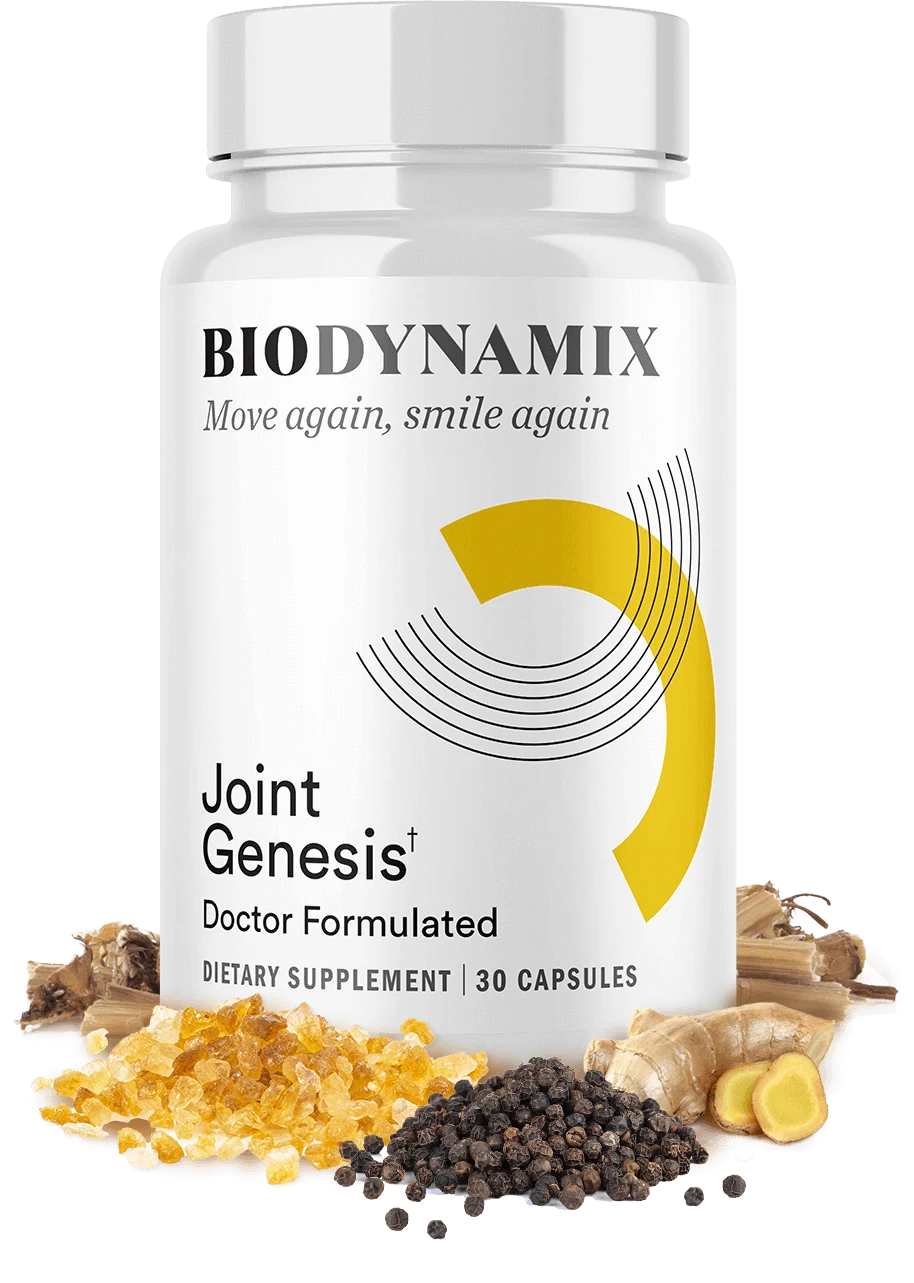
Role: Ginger is a well-known natural anti-inflammatory agent and antioxidant. Its compounds, such as gingerols, help to reduce pain and inflammation in the joints, making it a valuable ingredient for those experiencing discomfort from osteoarthritis and joint degeneration.
MSM (Methylsulfonylmethane)
Role: MSM is an organic sulfur compound essential for the formation of connective tissues, including cartilage, ligaments, and tendons. It helps reduce inflammation and pain, supports collagen production, and aids in the repair of damaged joint tissues, contributing to flexibility and mobility.
Chondroitin Sulfate
Role: A major component of cartilage, Chondroitin Sulfate helps maintain the structural integrity of joint tissue. It attracts fluid into the cartilage, keeping it hydrated and elastic, which is vital for shock absorption and smooth joint movement. It also helps inhibit enzymes that break down cartilage.
Bioperine® (Black Pepper Extract)
Role: Derived from black pepper, Bioperine® is included to significantly enhance the bioavailability and absorption of the other beneficial ingredients in Joint Genesis. This ensures that your body can effectively utilize the active compounds for maximum joint support.
Take the Next Step Towards Lasting Joint Comfort and Mobility
You've learned about the fundamental roles of Vitamin D and Calcium, and the advanced support offered by Joint Genesis. Now it's time to act. Don't let joint discomfort dictate your life any longer. Join thousands who have found relief and renewed vitality.
- ✓ Supports healthy synovial fluid for lubrication
- ✓ Promotes cartilage health and regeneration
- ✓ Reduces joint pain and stiffness naturally
- ✓ Enhances flexibility and mobility
- ✓ Made with clinically-backed, natural ingredients




What Our Customers Are Saying
"I've struggled with knee pain for years, and while I always took Vitamin D and Calcium, Joint Genesis truly made the difference. My mobility is so much better, and the stiffness has significantly reduced. I feel like I have my active life back!"
"As a senior, maintaining bone density and joint flexibility is crucial. Joint Genesis, combined with my regular diet, has helped me immensely. My doctor even commented on my improved joint health during my last check-up. Highly recommend!"
"I was skeptical at first, but after a few months of using Joint Genesis, I can confidently say it's helped my hip discomfort. It's a great complement to ensuring I get enough Vitamin D and Calcium, and the natural ingredients give me peace of mind."
Frequently Asked Questions
Why are Vitamin D and Calcium so important for joint health?
+Vitamin D is crucial for calcium absorption, which is fundamental for strong bones that support joints. It also plays a significant role in reducing inflammation and modulating immune responses, both of which are critical for preventing and managing joint conditions like osteoarthritis. Calcium, beyond bone structure, supports muscle function and nerve signaling, indirectly impacting joint stability and movement.
How does a deficiency in Vitamin D or Calcium affect my joints?
+Deficiencies can lead to weakened bones, increasing the risk of osteoporosis and fractures, which can severely impact joint support. For joints directly, low Vitamin D levels are linked to increased inflammation, cartilage degradation, and greater pain sensitivity in conditions like osteoarthritis. Inadequate calcium can also impair muscle function, leading to instability around joints.
What are the best natural sources of Vitamin D and Calcium?
+For Vitamin D, the primary source is sunlight exposure (10-30 minutes daily, depending on skin type and location). Dietary sources include fatty fish (salmon, mackerel), fortified milk and cereals, and egg yolks. Calcium is abundant in dairy products (milk, yogurt, cheese), leafy green vegetables (kale, spinach), fortified plant milks, and certain nuts and seeds.
Can supplements like Joint Genesis help if I have Vitamin D or Calcium deficiency?
+Joint Genesis is formulated with key ingredients like Hyaluronic Acid, Boswellia Serrata, and Ginger Root to support joint lubrication, comfort, and flexibility. While it does not directly contain Vitamin D or Calcium, it complements a diet rich in these nutrients by addressing other aspects of joint degeneration, such as synovial fluid health and inflammatory responses. For deficiencies in Vitamin D or Calcium, specific supplementation for those nutrients, under medical guidance, is recommended.
How long does it take to see improvements in joint health from dietary changes and supplements?
+The timeline for seeing improvements varies greatly depending on the individual's condition, severity of deficiency, consistency of intake, and overall lifestyle. For foundational nutrients like Vitamin D and Calcium, bone density changes can take months to years. For joint comfort and flexibility, some individuals may notice improvements from comprehensive supplements like Joint Genesis within a few weeks to a few months, with optimal results often observed after 3-6 months of consistent use.
Are there any risks associated with taking Vitamin D and Calcium supplements?
+While essential, excessive intake of Vitamin D and Calcium can lead to adverse effects. High Vitamin D can cause calcium buildup in the blood (hypercalcemia), leading to nausea, vomiting, kidney problems, and bone pain. Too much calcium can contribute to kidney stones, constipation, and may interfere with the absorption of other minerals. It is crucial to consult with a healthcare professional before starting any new supplement regimen to determine appropriate dosages and avoid potential risks.
Related Articles