Are you seeking a gentle yet effective way to find relief from persistent joint pain?
Living with chronic joint pain, especially from conditions like osteoarthritis, can significantly impact your daily life, making simple movements a challenge. The search for effective, low-impact solutions is a journey many undertake, and often, the answer lies in an unexpected, yet natural, element: water.
Water therapy, also known as aquatic therapy or hydrotherapy, offers a unique environment where the body's natural buoyancy can dramatically reduce stress on aching joints. This allows for movement and exercise that might be too painful on land, providing a path to improved mobility and reduced discomfort. It's a holistic approach embraced by many orthopedic specialists for its profound benefits in managing and mitigating joint pain.
Understanding Osteoarthritis and Joint Degeneration
Before diving into the benefits of water therapy, it's essential to grasp the nature of the conditions it aims to address: osteoarthritis and general joint degeneration.
Osteoarthritis (OA) is the most common form of arthritis, affecting millions worldwide. It occurs when the protective cartilage on the ends of your bones wears down over time. Cartilage is a firm, slippery tissue that enables nearly frictionless joint motion. In OA, this cartilage deteriorates, leading to bone-on-bone friction, pain, swelling, and reduced mobility. It's a progressive disease, meaning it tends to worsen over time, and can affect any joint, though it most commonly impacts the knees, hips, spine, and hands.
Joint degeneration is a broader term that encompasses the gradual breakdown of joint structures, including cartilage, bone, and synovial fluid. This process can be accelerated by factors such as age, genetics, repetitive stress, injury, and inflammation. As joints degenerate, the synovial fluid – a viscous fluid that lubricates and cushions the joints – may also diminish in quality and quantity, further exacerbating friction and pain. This loss of lubrication and cushioning is a key factor in the discomfort and stiffness experienced by those with degenerative joint conditions.
The conventional approaches to managing OA and joint degeneration often involve pain medication, physical therapy, and in severe cases, surgery. However, there's a growing recognition of the importance of non-pharmacological interventions that can offer significant relief and improve quality of life without the side effects associated with long-term medication use. This is where the profound benefits of water therapy come into play, offering a safe, effective, and enjoyable alternative or complementary treatment.
The Science Behind Water Therapy for Joint Pain
Water therapy isn't just about splashing around; it leverages specific physical properties of water to create an ideal environment for joint rehabilitation and pain relief.
1. Buoyancy: This is arguably the most significant advantage of water therapy. Water's upward thrust counteracts gravity, effectively reducing your body weight. For example, when submerged up to your neck, you bear only about 10% of your body weight. Submerged to your chest, it's about 25-35%, and to your waist, about 50%. This reduction in weight-bearing stress on your joints, particularly the knees, hips, and spine, allows for movements that would be painful or impossible on land. It enables individuals with severe joint pain or limited mobility to exercise with less discomfort, promoting muscle strengthening and flexibility without excessive strain.
2. Hydrostatic Pressure: The pressure exerted by water on the body helps to reduce swelling and improve circulation. This gentle, even compression can decrease edema in the joints and extremities, which is a common contributor to pain and stiffness in conditions like osteoarthritis. Improved circulation also means better delivery of oxygen and nutrients to tissues, aiding in healing and recovery.
3. Viscosity (Resistance): Water provides natural resistance to movement, which is excellent for strengthening muscles without the need for heavy weights. Moving limbs through water requires more effort than moving them through air, effectively acting as a low-impact resistance training tool. This resistance is concentric and eccentric, meaning it works muscles on both the push and pull phases of movement, leading to balanced muscle development and improved joint stability. The resistance also scales with speed – the faster you move, the greater the resistance, allowing for progressive strengthening.
4. Warmth: Most therapeutic pools are heated to a comfortable temperature, typically between 88°F and 92°F (31°C to 33°C). This warmth helps to relax muscles, increase blood flow, and alleviate pain. The soothing effect of warm water can reduce muscle spasms and make stiff joints more pliable, enhancing flexibility and range of motion. It also has a calming psychological effect, reducing stress and promoting relaxation, which can indirectly help in pain management.
By combining these properties, water therapy creates a unique, supportive, and therapeutic environment that is particularly beneficial for those struggling with the challenges of osteoarthritis and joint degeneration. It allows for a functional rehabilitation that is often unattainable in a land-based setting, paving the way for improved daily function and a better quality of life.
💡 Key Takeaway
Water therapy leverages buoyancy to reduce joint stress, hydrostatic pressure to decrease swelling, viscosity for resistance training, and warmth for muscle relaxation and pain relief. These properties make it an ideal, low-impact solution for managing osteoarthritis and joint pain, promoting mobility and strength safely.
Core Benefits of Aquatic Therapy for Joint Health
The advantages of incorporating water-based exercises into your routine extend far beyond simple pain reduction. They contribute to a holistic improvement in joint health and overall well-being.
Significant Pain Reduction
The most immediate and cherished benefit for many is the substantial reduction in joint pain. The buoyant environment reduces the load on painful joints, allowing individuals to move with less discomfort. This pain relief isn't just temporary; regular sessions can lead to long-term reductions in chronic pain, improving daily comfort and reducing reliance on pain medication.
Improved Range of Motion and Flexibility
Warm water and reduced gravity make it easier to perform stretches and movements that increase joint flexibility and range of motion. The soothing warmth helps muscles relax, while buoyancy supports the limbs, enabling a fuller, less restricted movement. This is crucial for counteracting the stiffness often associated with osteoarthritis and joint degeneration, helping to restore functional movement patterns.
Enhanced Muscle Strength and Endurance
Water's natural resistance provides a safe yet effective way to build muscle strength. Every movement becomes a gentle resistance exercise, strengthening the muscles supporting your joints without the impact of land-based activities. This improved muscle strength helps stabilize joints, reducing the strain on ligaments and cartilage, and can slow the progression of joint degeneration.
Better Balance and Coordination
For individuals with joint pain, fear of falling can limit activity. Water therapy provides a safe environment to practice balance and coordination exercises. The buoyancy prevents hard falls, building confidence and improving proprioception (the body's awareness of its position in space). This translates to improved stability and reduced fall risk outside of the water.
Reduced Swelling and Inflammation
The hydrostatic pressure of water helps to gently compress the body, aiding in the reduction of swelling and inflammation in affected joints. This natural compression promotes lymphatic drainage and venous return, flushing out inflammatory mediators and reducing fluid retention, which often contributes to joint pain and stiffness.
Cardiovascular Fitness without Impact
Aquatic exercises allow for excellent cardiovascular conditioning without putting stress on the joints. Activities like water walking, jogging, or cycling can elevate heart rate and improve endurance, benefiting overall health without exacerbating joint pain. This makes it an ideal option for those who struggle with high-impact cardio on land.
Psychological Well-being and Stress Reduction
Beyond the physical benefits, water therapy can significantly boost mental health. The soothing nature of water, combined with the ability to exercise without pain, can reduce stress, anxiety, and depression. It provides a sense of accomplishment and improved quality of life, fostering a more positive outlook on managing chronic conditions.
Popular Water Therapy Exercises for Joint Pain
There's a wide array of exercises that can be performed in water, catering to different levels of mobility and pain. Here are some of the most effective:
1. Water Walking and Jogging: This is an excellent starting point for many. Walking in chest-deep water provides significant resistance and buoyancy. It helps improve gait, strengthen leg and core muscles, and enhance cardiovascular fitness without the impact of land walking. Gradually increase speed or depth to vary the challenge. For those with knee or hip pain, this can be a game-changer for maintaining active movement.
2. Aquatic Cycling: Using a stationary bicycle designed for water or performing cycling motions without equipment (pedaling legs in the water) targets the quadriceps, hamstrings, and glutes. The buoyancy supports the body, making it easier on the hips and knees than traditional cycling, while the water's resistance still provides a good workout.
3. Leg Swings and Kicks: Standing in waist-to-chest deep water, gently swing your legs forward and backward, and side to side. These movements help improve hip flexibility and strength. You can also perform gentle knee bends and extensions, mimicking kicking motions, to work the quadriceps and hamstrings without bearing full weight.
4. Arm and Shoulder Circles: For upper body joint pain, performing arm circles forward and backward, or shoulder shrugs and rotations in the water, can significantly improve range of motion and strengthen the surrounding muscles. Use water paddles or foam dumbbells for added resistance if comfortable.
5. Core Strengthening Exercises: The water provides an unstable environment, naturally engaging your core muscles to maintain balance. Exercises like knee-to-chest lifts, leg raises, or even simply standing on one leg in the water can effectively strengthen your abdominal and back muscles, which are crucial for spinal support and overall joint stability. These are often much easier to perform in water than on land for individuals with back pain or hip issues.
6. Gentle Stretching: The warmth and buoyancy of water make it an ideal environment for stretching. Hold onto the side of the pool for support and perform gentle stretches for your hamstrings, quadriceps, calves, and even your back. The water assists in deepening the stretch while minimizing strain, allowing for greater flexibility gains.
Remember to start slowly, listen to your body, and gradually increase the intensity and duration of your exercises. If you're unsure where to begin, consulting with a physical therapist specializing in aquatic therapy can help you develop a safe and effective personalized program.
Tips for Maximizing Your Water Therapy Experience
Consult a Professional
Before starting any new exercise regimen, especially if you have a medical condition, consult your doctor or a physical therapist. They can assess your specific needs and recommend an appropriate aquatic therapy program, ensuring it's safe and effective for your joint health.
Find the Right Facility
Look for pools that are specifically designed for therapeutic use, often with warmer water temperatures (88-92°F) and accessible entry points like ramps or lifts. Some facilities offer supervised aquatic therapy classes or individual sessions with certified instructors.
Start Gradually and Listen to Your Body
Begin with shorter sessions and lower intensity exercises, gradually increasing duration and resistance as your strength and comfort improve. Pay attention to any pain signals; exercise should not exacerbate your joint pain. Rest when needed and adjust activities accordingly.
Incorporate Breathing Techniques
Focus on deep, rhythmic breathing during your exercises. Proper breathing can enhance relaxation, improve oxygen flow to your muscles, and help manage pain. It also promotes a sense of calm, which is beneficial for overall well-being.
Stay Hydrated
Even though you're in water, your body still sweats and loses fluids. Drink plenty of water before, during, and after your aquatic therapy sessions to stay properly hydrated and support your body's functions, including joint lubrication.
Use Aquatic Aids
Utilize flotation devices (noodles, vests), water weights, or paddles to modify exercises. Floats can provide extra support, while water weights can increase resistance, allowing you to tailor the workout to your strength and rehabilitation goals.
Integrating Water Therapy with a Holistic Joint Health Plan
While water therapy offers remarkable benefits for joint pain and mobility, it's most effective when considered part of a broader, holistic strategy for managing osteoarthritis and joint degeneration.
1. Balanced Nutrition: A diet rich in anti-inflammatory foods can significantly impact joint health. Focus on fruits, vegetables, whole grains, lean proteins, and healthy fats (like omega-3s found in fish). Limiting processed foods, sugar, and unhealthy fats can reduce systemic inflammation, which is a key contributor to joint pain. Adequate hydration also plays a role in maintaining the viscosity of synovial fluid, crucial for joint lubrication and cushioning.
2. Land-Based Exercise (as tolerated): As your joint pain improves with water therapy, gradually reintroducing or maintaining some land-based exercises can be beneficial. Low-impact activities like walking on soft surfaces, gentle yoga, or tai chi can further strengthen muscles, improve balance, and maintain bone density. The key is to find activities that don't aggravate your joints and to progress slowly. For a comparative view on supportive options, you might be interested in reading about Joint Genesis vs. Other Supplements: A Comparative Analysis.
3. Weight Management: Maintaining a healthy weight is paramount for joint health, especially for weight-bearing joints like the knees and hips. Even a modest weight loss can significantly reduce the load on these joints, alleviating pain and slowing cartilage wear. Combining water therapy with dietary changes can be a highly effective strategy for sustainable weight management.
4. Quality Sleep: Rest and recovery are often underestimated components of joint health. During sleep, your body repairs itself, and crucial inflammatory processes are regulated. Chronic sleep deprivation can exacerbate pain and inflammation, making joint conditions feel worse. Prioritizing 7-9 hours of quality sleep each night is vital. For more insights, explore the connection between The Crucial Link Between Sleep and Joint Pain Relief.
5. Stress Management: Chronic stress can heighten pain perception and contribute to inflammation. Incorporating stress-reducing practices like mindfulness, meditation, deep breathing exercises, or engaging in hobbies can positively impact your overall well-being and pain management. The calming effect of warm water therapy itself can contribute significantly to stress reduction.
6. Targeted Nutritional Support: While lifestyle changes form the foundation, certain dietary supplements can provide additional support for joint health. Ingredients like hyaluronic acid, collagen, MSM, and chondroitin sulfate are known for their roles in maintaining cartilage integrity and synovial fluid health. When choosing a supplement, look for high-quality, scientifically-backed formulations. For those specifically seeking support for knee cartilage, an article on Finding the Best Supplement for Knee Cartilage Health might offer further guidance.
By combining the physical benefits of water therapy with these other pillars of health, you create a robust and comprehensive strategy for not just managing, but actively improving your joint health and enhancing your quality of life despite the challenges of osteoarthritis and joint degeneration.
Supporting Your Joints from Within: Introducing Joint Genesis
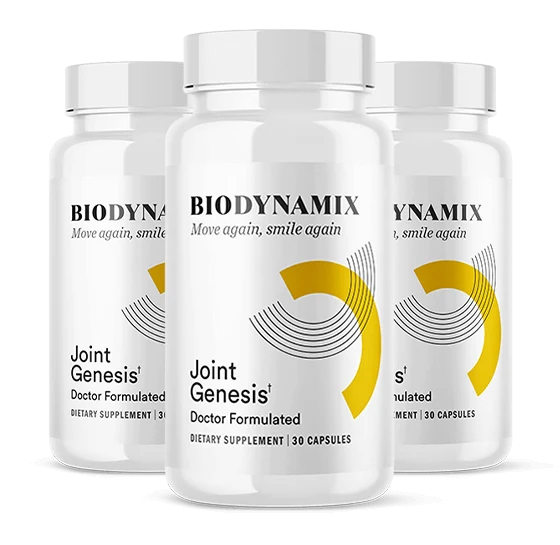
While external therapies like swimming and water exercises are invaluable for managing joint pain and improving mobility, supporting your joints internally with targeted nutrition can significantly enhance your results. Joint Genesis offers a unique blend of ingredients specifically chosen to work synergistically with your body's natural processes to promote joint health and comfort.
Mobilee® (Hyaluronic Acid)
Role: This patented ingredient is a powerful form of hyaluronic acid, a key component of synovial fluid – the viscous substance that lubricates and cushions your joints. Mobilee® is clinically shown to increase hyaluronic acid levels in joints, promoting better lubrication and shock absorption. It helps maintain the fluidity and elasticity of cartilage, crucial for smooth, pain-free movement.
150 mg per servingGinger Powder
Role: Ginger is a well-known natural anti-inflammatory agent. Its active compounds, gingerols, have potent antioxidant and anti-inflammatory properties that can help reduce joint pain and stiffness. It supports a healthy inflammatory response in the body, which is vital for managing the discomfort associated with osteoarthritis and joint degeneration.
200 mg per servingBoswellia Serrata Extract
Role: Derived from the frankincense tree, Boswellia Serrata has been traditionally used for its powerful anti-inflammatory effects. It works by inhibiting specific enzymes that contribute to inflammation in the joints, helping to alleviate pain and improve joint function. It's particularly beneficial for individuals experiencing chronic joint discomfort.
100 mg per servingBioperine® (Black Pepper Extract)
Role: Bioperine® is a patented extract from black pepper, primarily included for its ability to significantly enhance the bioavailability and absorption of other nutrients. By improving the uptake of ingredients like Boswellia Serrata and Ginger, Bioperine® ensures that your body can utilize the active compounds more effectively, maximizing their benefits for joint health.
5 mg per servingMSM (Methylsulfonylmethane)
Role: MSM is an organic sulfur compound naturally found in the body, essential for the formation of connective tissues, including cartilage. It helps reduce inflammation, alleviate joint pain, and support the repair of damaged joint tissues. MSM contributes to the flexibility and elasticity of cartilage, promoting overall joint comfort and mobility.
500 mg per servingChondroitin Sulfate
Role: Chondroitin sulfate is a vital component of cartilage, helping it retain water and maintain its elasticity. It works to prevent the breakdown of cartilage and can even stimulate its repair mechanisms. By supporting the structural integrity of cartilage, chondroitin sulfate plays a crucial role in cushioning joints and reducing friction.
400 mg per servingCollagen Type II
Role: As the primary structural protein in cartilage, Type II Collagen is fundamental for joint health. It provides strength and elasticity to the cartilage, helping it withstand compression and stress. Supplementing with Type II Collagen can support the regeneration of cartilage tissue, reduce joint pain, and improve overall joint function, especially in conditions like osteoarthritis.
300 mg per servingBy providing these critical nutrients, Joint Genesis aims to address the root causes of joint degeneration, working in harmony with physical therapies like swimming to offer a comprehensive approach to lasting joint comfort and mobility. It's a natural way to support your body's ability to maintain healthy, flexible joints.
Ready to Support Your Joint Health & Mobility?
While water therapy provides incredible relief and rehabilitative benefits, a comprehensive approach often includes targeted nutritional support. Joint Genesis is formulated with cutting-edge ingredients designed to replenish synovial fluid and support cartilage integrity, working synergistically with your active lifestyle.
- Supports healthy synovial fluid
- Promotes cartilage regeneration
- Reduces inflammation and discomfort
- Enhances joint flexibility and mobility
- Made with 100% natural, science-backed ingredients




What Our Customers Say About Joint Genesis
"I've been suffering from knee pain for years, making even simple walks difficult. After incorporating water therapy and Joint Genesis, I feel a remarkable difference. My joints feel more lubricated, and the stiffness has significantly reduced. It's been a game-changer for my mobility!"
"Swimming has always been my escape, but shoulder pain was starting to limit me. Joint Genesis combined with my aqua exercises has truly helped. I can now complete my laps with less discomfort and greater range of motion. Highly recommend it for anyone with active joint needs."
"My rheumatologist suggested water therapy for my osteoarthritis, and I added Joint Genesis to my daily routine. The combination has been fantastic. I feel more flexible, have less morning stiffness, and can enjoy my garden again without constant aches. This product truly complements my efforts."
Frequently Asked Questions
How does water therapy help with joint pain?
+Water's buoyancy reduces gravity's impact, offloading stress from weight-bearing joints. Hydrostatic pressure helps reduce swelling and improve circulation, while warm water relaxes muscles and increases blood flow. This combination allows for easier, less painful movement, promoting flexibility, strength, and overall joint health without high impact.
What types of joint conditions benefit most from aquatic therapy?
+Aquatic therapy is particularly beneficial for individuals with osteoarthritis, rheumatoid arthritis, fibromyalgia, post-surgical joint rehabilitation, and general joint degeneration. Its low-impact nature makes it suitable for those who find land-based exercises too painful or challenging due to joint stress.
Is swimming the only form of water therapy for joints?
+No, swimming is just one excellent form. Water therapy encompasses a wide range of exercises, including walking or jogging in water, aquatic cycling, resistance exercises using water paddles or floats, and targeted stretching. A qualified aquatic therapist can design a personalized program tailored to your specific needs and joint condition.
What temperature should the water be for effective joint therapy?
+For optimal joint pain relief and muscle relaxation, water temperatures typically range between 88°F to 92°F (31°C to 33°C). This warmth helps soothe aching joints, improve blood flow, and enhance muscle flexibility, making exercise more comfortable and effective. Cooler water might be used for higher intensity exercise, but warmth is key for pain management.
How often should I engage in water therapy for noticeable results?
+For significant and lasting benefits, most experts recommend engaging in water therapy 2-3 times per week, with sessions lasting 30-60 minutes. Consistency is crucial. It's always best to consult with a healthcare professional or physical therapist to determine the ideal frequency and duration for your individual condition and goals.
Can Joint Genesis be used alongside water therapy?
+Yes, Joint Genesis can complement water therapy as part of a holistic approach to joint health. While water therapy focuses on physical movement and environmental benefits, Joint Genesis provides targeted nutritional support for synovial fluid and cartilage. Its ingredients are designed to replenish the joint's natural lubrication and support the integrity of cartilage, potentially enhancing the benefits of physical activity and aiding in long-term joint comfort.
Related Articles