Can Gentle Yoga Truly Transform Your Arthritis Journey?
Living with osteoarthritis or joint degeneration often means facing daily challenges with stiffness, pain, and reduced mobility. The thought of physical activity, especially something as seemingly demanding as yoga, might seem counterintuitive or even intimidating. However, a growing body of evidence suggests that tailored yoga practices can be a profound ally in managing arthritis symptoms, offering a path to greater flexibility, strength, and overall well-being.
This comprehensive guide, authored by Dr. Christopher Hall, an Orthopedic Health Researcher, and reviewed by Dr. Barbara Allen, a Board-Certified Rheumatologist, explores the science-backed benefits of incorporating gentle yoga into your routine. We'll delve into how specific poses and modifications can support your joints, reduce inflammation, and improve your quality of life, emphasizing a holistic approach to joint health that prioritizes long-term comfort and mobility.
Understanding Osteoarthritis and the Power of Movement
Osteoarthritis (OA) and other forms of joint degeneration are characterized by the breakdown of cartilage, the protective tissue that cushions the ends of your bones. This leads to pain, stiffness, swelling, and reduced range of motion, significantly impacting quality of life. For many, the instinct is to rest the affected joints, fearing that movement will cause further damage. However, this common misconception can actually worsen symptoms over time.
While acute pain certainly warrants rest, chronic joint conditions like OA benefit immensely from appropriate physical activity. Our joints are designed to move, and movement is crucial for their health. It helps to circulate synovial fluid, the natural lubricant that nourishes cartilage and reduces friction. Without regular movement, joints can become even stiffer and muscles surrounding them weaken, creating a vicious cycle of pain and immobility. This is where a gentle practice like yoga steps in, offering a controlled, low-impact way to keep joints active and healthy.
The goal isn't to push through pain, but to engage in mindful movement that supports joint integrity. Consistent, gentle exercise can help to maintain the remaining cartilage, strengthen supporting muscles, and improve overall joint function. It's a proactive approach to managing the condition, rather than passively enduring its progression. Embracing movement can significantly alter the trajectory of joint degeneration, fostering greater comfort and independence.
💡 Key Takeaway
Contrary to popular belief, gentle, controlled movement is vital for managing osteoarthritis and joint degeneration. It helps lubricate joints, nourish cartilage, and strengthen supporting muscles, breaking the cycle of pain and stiffness.
The Science-Backed Benefits of Yoga for Arthritis
Yoga, when adapted for individuals with arthritis, offers a multifaceted approach to symptom management. Its benefits extend beyond mere physical flexibility, encompassing mental and emotional well-being that are crucial for living with chronic pain.
Reduces Pain and Inflammation
Gentle yoga postures can help alleviate joint pain by improving circulation, reducing inflammation, and releasing endorphins, the body's natural painkillers. The mindful aspect of yoga also teaches pain coping mechanisms, shifting focus away from discomfort. Regular practice can lead to a significant decrease in daily pain levels, making everyday activities more manageable.
Enhances Flexibility and Range of Motion
One of the most immediate and noticeable benefits of yoga for arthritis sufferers is improved flexibility. Slow, controlled movements gently stretch muscles and connective tissues around the joints, helping to restore lost range of motion. This increased flexibility reduces stiffness, making it easier to perform tasks like bending, reaching, and walking.
Strengthens Supporting Muscles
Strong muscles around a joint act as natural shock absorbers, providing stability and reducing the load on damaged cartilage. Yoga builds strength in a balanced way, engaging various muscle groups without putting excessive strain on the joints. This improved muscle strength can lead to better posture and reduced risk of falls.
Boosts Balance and Proprioception
Arthritis can compromise balance due to joint instability and pain. Yoga's focus on balance poses and body awareness (proprioception) helps to retrain the nervous system, improving stability and coordination. This is particularly important for preventing falls, which can be more serious for individuals with compromised joints.
Reduces Stress and Improves Mood
Living with chronic pain and limited mobility can take a toll on mental health. Yoga's emphasis on breathwork (pranayama) and meditation helps to calm the nervous system, reduce stress hormones, and improve mood. This mind-body connection is invaluable for managing the emotional burden of arthritis, fostering a sense of peace and resilience.
Enhances Sleep Quality
Pain and discomfort often disrupt sleep for individuals with arthritis. The relaxation techniques learned in yoga, combined with the physical exertion (even if gentle), can significantly improve sleep quality. Better sleep, in turn, helps the body repair itself and reduces pain sensitivity, creating a positive feedback loop for overall well-being.
Key Principles of Arthritis-Friendly Yoga
To ensure a safe and effective yoga practice for arthritis, it's essential to adhere to specific principles that prioritize joint protection and pain management. These guidelines will help you reap the benefits of yoga without exacerbating your condition.
Listen to Your Body
This is the golden rule. Never push into pain. Discomfort is a signal to ease off, modify the pose, or skip it entirely. Your body's feedback is the most important guide, especially when dealing with sensitive joints. What feels good one day might not feel good the next, and that's perfectly normal.
Embrace Gentle, Slow Movements
Avoid abrupt or jerky motions. Focus on smooth, controlled transitions between poses. Gentle movements allow your joints to warm up gradually, increasing blood flow and lubrication without causing stress. The pace of movement should be deliberate and mindful, aligning with your breath.
Utilize Props Extensively
Yoga props like chairs, blocks, blankets, bolsters, and straps are your best friends. They provide support, reduce strain, and help you achieve proper alignment without overstretching or compressing joints. A chair, for instance, can transform many standing poses into seated ones, making them accessible and safe.
Focus on Breath (Pranayama)
Conscious breathing is integral to yoga. Deep, steady breaths help to calm the nervous system, reduce pain perception, and bring oxygen to your muscles and joints. Coordinating movement with breath enhances fluidity and mindfulness, making the practice more therapeutic.
Prioritize Consistency Over Intensity
Short, regular sessions are far more beneficial than infrequent, intense ones. Aim for 10-30 minutes several times a week. Consistency helps maintain joint mobility and muscle strength, gradually building resilience without overwhelming your system. Even a few minutes a day can make a difference.
Seek Qualified Instruction
If possible, seek out a yoga instructor who has experience working with individuals with arthritis or other chronic conditions. They can provide personalized modifications and ensure your practice is safe and effective. Online resources are also available, but a personalized approach is always recommended.
Accessible Yoga Poses for Arthritis Joint Flexibility
Here are several gentle yoga poses that can be highly beneficial for improving joint flexibility and reducing stiffness, with modifications to ensure comfort and safety. Remember to move slowly and never push into pain.
Cat-Cow Pose (Marjaryasana-Bitilasana)
This gentle spinal flow is excellent for lubricating the spine, hips, and shoulders. Start on hands and knees (or seated in a chair). Inhale, arch your back, and lift your gaze (Cow). Exhale, round your spine, and tuck your chin (Cat). Repeat slowly for 5-10 breaths. This movement helps increase spinal flexibility and gently warms the major joints.
Seated Spinal Twist (Parivrtta Sukhasana)
Sitting comfortably on a chair or cushion, gently twist your torso to one side, placing one hand on your knee and the other on the back of the chair (or floor). Look over your shoulder, but don't force the neck. This pose gently mobilizes the spine, hips, and shoulders, improving flexibility and releasing tension. Hold for a few breaths, then switch sides.
Leg Lifts (Supine or Seated)
Lying on your back with one knee bent and foot flat, slowly lift the other leg a few inches off the floor, keeping it straight but not locked. Hold briefly, then lower. Alternatively, seated, extend one leg and lift it slightly. This strengthens the quadriceps and hip flexors, vital for knee and hip stability, without direct joint impact. Perform 5-10 repetitions per leg.
Gentle Hamstring Stretch (Supta Padangusthasana Variation)
Lie on your back, bend one knee, and place your foot flat. Loop a strap or towel around the sole of the other foot, extending the leg towards the ceiling. Gently pull the strap to feel a stretch in the back of your thigh. Keep the knee slightly bent if needed. This improves flexibility in the hamstrings, which can indirectly relieve pressure on the knees and lower back. Hold for 30 seconds per leg.
Chair Pose (Utkatasana Variation)
Stand with feet hip-width apart, or sit in a sturdy chair. If standing, imagine sitting back into a chair, bending your knees (only as far as comfortable). Keep your back straight and chest lifted. If seated, simply focus on good posture and mindful breathing. This pose strengthens the legs and core, crucial for supporting the knees and hips, without deep flexion.
Savasana (Corpse Pose)
Often overlooked, Savasana is crucial for integration and relaxation. Lie on your back (or sit comfortably), close your eyes, and allow your body to completely relax. This pose reduces muscle tension, calms the nervous system, and helps the body absorb the benefits of the practice. It's essential for pain management and stress reduction.
For more general guidance on movement, consider exploring other exercises for joint health that complement a yoga practice. Remember that consistency and listening to your body are paramount for long-term benefits.
Safety First: Essential Tips for Practicing Yoga with Arthritis
While yoga offers remarkable benefits, practicing safely is paramount, especially when managing osteoarthritis and joint degeneration. Adhering to these tips will help you maximize the positive effects and avoid potential setbacks.
Firstly, always consult your physician or rheumatologist before starting any new exercise regimen, including yoga. They can provide personalized advice based on your specific condition, joint involvement, and overall health. They might recommend specific restrictions or types of yoga that are most suitable for you.
Secondly, find a qualified instructor who has experience working with individuals with arthritis or other chronic conditions. A knowledgeable instructor can offer appropriate modifications, suggest props, and help you understand your body's limits. Don't be afraid to communicate your pain levels and any concerns you have during class.
Thirdly, make sure to warm up gently and cool down thoroughly. A brief warm-up, such as gentle arm circles, leg swings, or marching in place, prepares your muscles and joints for movement. A cool-down with static stretches and relaxation allows your body to recover and prevents post-exercise stiffness.
Crucially, never push through pain. Differentiate between a healthy stretch and sharp, stabbing, or persistent pain. Pain is your body's signal that something is wrong. Always back off or modify a pose if you experience discomfort. Yoga is not about competition or achieving extreme flexibility; it's about mindful movement and self-care.
Finally, stay hydrated by drinking plenty of water before, during, and after your practice. Hydration is essential for joint lubrication and overall cellular health. Also, consider practicing in a warm environment, as warmth can help relax muscles and ease joint stiffness.
💡 Key Takeaway
Prioritize safety in your yoga practice by consulting your doctor, seeking a qualified instructor, warming up, cooling down, never pushing into pain, and staying hydrated. These steps ensure a beneficial and injury-free experience.
Beyond the Mat: A Holistic Approach to Joint Health
While gentle yoga is a powerful tool for improving joint flexibility and reducing pain, it's most effective when integrated into a broader holistic strategy for managing osteoarthritis and joint degeneration. Optimal joint health is a symphony of various lifestyle factors working in harmony.
Anti-Inflammatory Diet
What you eat significantly impacts inflammation levels in your body. Focus on a diet rich in fruits, vegetables, whole grains, lean proteins, and healthy fats (like omega-3s found in fish, flaxseed, and walnuts). Limit processed foods, sugary drinks, and excessive red meat, which can promote inflammation and worsen joint symptoms.
Weight Management
Excess body weight places additional stress on weight-bearing joints like the knees, hips, and spine, accelerating cartilage breakdown. Even a modest weight loss can significantly reduce joint pain and slow the progression of osteoarthritis. Combine a healthy diet with your yoga practice for optimal results.
Adequate Sleep
Quality sleep is crucial for overall health and plays a vital role in pain management and tissue repair. Aim for 7-9 hours of uninterrupted sleep per night. Establishing a consistent sleep schedule and creating a relaxing bedtime routine can greatly improve sleep quality, allowing your body to recover.
Stress Management
Chronic stress can exacerbate pain and inflammation. Beyond the meditative aspects of yoga, incorporate other stress-reducing techniques into your daily life, such as mindfulness, deep breathing exercises, spending time in nature, or engaging in hobbies you enjoy. Managing stress contributes significantly to overall well-being.
Targeted Supplements
While a healthy diet is foundational, certain supplements can provide additional support for joint health by targeting specific mechanisms of degeneration. These can help replenish vital components of joint fluid, reduce inflammation, and protect cartilage, acting as a powerful complement to your active lifestyle. It's an area worth discussing with your healthcare provider.
Supporting Your Joints Naturally: The Role of Targeted Supplements
As part of a comprehensive holistic strategy, targeted dietary supplements can play a supportive role in maintaining joint health, especially for those experiencing the challenges of osteoarthritis and joint degeneration. These supplements are designed to work synergistically with lifestyle interventions like yoga and diet, aiming to address the underlying causes of joint discomfort and promote long-term mobility.
One key aspect of joint health that supplements can address is the quality and quantity of synovial fluid. This viscous fluid acts as a natural lubricant and shock absorber within your joints, also delivering nutrients to the cartilage. As we age or due to joint degeneration, the production and integrity of synovial fluid can decline, leading to increased friction, pain, and further cartilage breakdown. This is where supplements formulated to support synovial fluid can be particularly beneficial.
For example, some supplements focus on providing key compounds like hyaluronic acid, a primary component of healthy synovial fluid. By replenishing these vital elements, such supplements aim to enhance joint lubrication, reduce stiffness, and improve the overall comfort and fluidity of movement. When combined with the increased circulation and improved joint mechanics from a gentle yoga practice, these internal supports can significantly amplify your efforts towards better joint health.
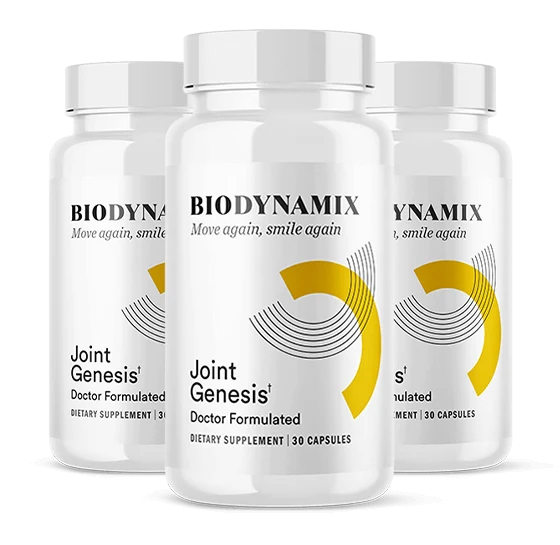
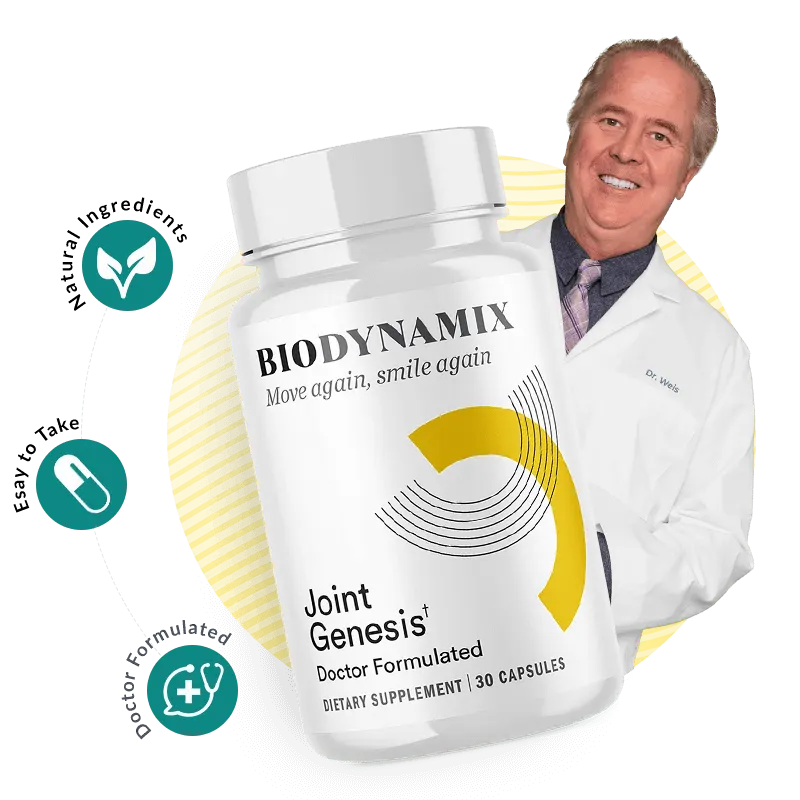
Joint Genesis is one such supplement that aims to support joint health by targeting the maintenance of healthy synovial fluid. It incorporates a unique blend of ingredients, each chosen for its potential to contribute to joint comfort, flexibility, and overall vitality. While yoga works externally through movement and strengthening, Joint Genesis works internally to nourish and protect the joint environment.
Key Ingredients in Joint Genesis for Advanced Joint Support
Joint Genesis features a blend of scientifically-backed ingredients designed to work synergistically to support joint health, focusing on synovial fluid and inflammatory response. For a deeper dive into each component, you can visit our Joint Genesis ingredients page.
Mobilee® (Hyaluronic Acid Matrix)
Role: A patented ingredient rich in hyaluronic acid, collagen, and glycosaminoglycans. It's clinically shown to support the production of healthy synovial fluid, which lubricates joints, cushions cartilage, and helps maintain joint flexibility and comfort.
Ginger Root Extract
Role: Known for its potent anti-inflammatory and antioxidant properties. Ginger can help reduce discomfort and swelling in joints, contributing to overall pain relief and improved mobility, making movement more comfortable.
Boswellia Serrata Extract
Role: A powerful ancient herb recognized for its ability to support a healthy inflammatory response in the body. It helps to alleviate joint stiffness and discomfort, promoting greater ease of movement and flexibility.
Pine Bark Extract
Role: Rich in proanthocyanidins, powerful antioxidants that help protect joint tissues from oxidative stress. It also supports healthy circulation, which is crucial for delivering nutrients to the joints and removing waste products.
Bioperine® (Black Pepper Extract)
Role: Included for its ability to significantly enhance the bioavailability and absorption of other beneficial ingredients. This ensures that your body can effectively utilize the other compounds in Joint Genesis for maximum benefit.
Hyaluronic Acid
Role: A key component of synovial fluid, responsible for its lubricating and shock-absorbing properties. Supplemental hyaluronic acid helps replenish this vital fluid, supporting joint cushioning and smooth movement.

Experience the Difference with Joint Genesis
If you're ready to take a proactive step towards supporting your joint health and complementing your gentle yoga journey, consider Joint Genesis. Formulated with cutting-edge ingredients, it's designed to nourish your joints from the inside out, promoting comfort, flexibility, and overall vitality.
- ✓ Supports healthy synovial fluid
- ✓ Promotes joint lubrication and cushioning
- ✓ Helps reduce stiffness and discomfort
- ✓ Made with natural, scientifically-backed ingredients
- ✓ Manufactured in a GMP-certified facility




What Our Customers Say About Joint Genesis
"After years of struggling with knee pain, I started gentle yoga and added Joint Genesis. The combination has been incredible! My flexibility is better than ever, and the constant ache is significantly reduced. I can now enjoy walks with my grandkids again."
"I was skeptical about supplements, but my yoga instructor suggested Joint Genesis. It's made a noticeable difference in my joint comfort. My morning stiffness has lessened, and I feel more fluid in my movements. It truly complements my active lifestyle."
"Living with hip arthritis was tough, but incorporating gentle stretches and Joint Genesis has been a game-changer. I feel less friction and more ease in my hip. It's not a miracle, but it's given me back a lot of my mobility and comfort."
Frequently Asked Questions
Is yoga safe for all types of arthritis?
+Gentle yoga, with appropriate modifications, can be beneficial for many types of arthritis, especially osteoarthritis and some forms of inflammatory arthritis when not in a flare-up. However, it's crucial to consult your doctor or rheumatologist before starting any new exercise program. A qualified yoga instructor experienced in working with individuals with arthritis can also guide you on safe practices.
What kind of yoga is best for joint flexibility with arthritis?
+Hatha yoga, Restorative yoga, and Chair yoga are generally considered best for individuals with arthritis. These styles emphasize slow, gentle movements, longer holds, and extensive use of props (like chairs, blocks, and blankets) to support the body and reduce strain on joints, making them ideal for improving flexibility and reducing pain without overexertion.
How often should I practice yoga to see benefits for my joints?
+Consistency is more important than intensity. Aim for short, regular sessions – perhaps 15-30 minutes, 3-5 times a week – rather than long, infrequent ones. Even daily 10-minute sessions can significantly contribute to improved flexibility, reduced stiffness, and better pain management over time. Listen to your body and adjust as needed.
Are there any yoga poses I should avoid with arthritis?
+Yes, avoid poses that put direct pressure on inflamed or painful joints, involve deep twisting, extreme bending, or weight-bearing on compromised joints. For example, deep knee bends, full lotus pose, or inversions might be unsuitable. Always modify poses to your comfort level, use props, and never push through pain. Your instructor can help identify suitable alternatives.
Can yoga help with chronic joint pain beyond just flexibility?
+Absolutely. Beyond improving physical flexibility and strength, yoga incorporates mindfulness and breathing techniques that can significantly reduce chronic pain perception. It helps lower stress, improve sleep quality, and foster a greater sense of well-being, all of which are crucial in managing chronic pain associated with arthritis and joint degeneration. The holistic benefits extend far beyond just physical movement.
How does Joint Genesis complement a yoga practice for joint health?
+Joint Genesis is designed to support joint health internally, complementing the external benefits of yoga. While yoga improves flexibility and strengthens muscles, Joint Genesis focuses on replenishing synovial fluid, which lubricates joints and nourishes cartilage. Ingredients like Mobilee® and Hyaluronic Acid in Joint Genesis work synergistically with the increased circulation and improved joint movement from yoga to provide comprehensive support for comfort, mobility, and overall joint vitality. It's about nurturing your joints from the inside out, while yoga supports them through movement.
Related Articles