Can Turmeric Curcumin Truly Alleviate Your Arthritis Inflammation?
For centuries, traditional medicine systems have revered turmeric, a vibrant golden spice, not just for its culinary uses but also for its profound medicinal properties. In recent decades, modern science has begun to unravel the secrets behind this ancient remedy, particularly focusing on its primary active compound: curcumin.
If you're among the millions grappling with the persistent pain and stiffness of osteoarthritis or other forms of joint degeneration, you've likely heard whispers of turmeric curcumin as a potential natural solution. This article delves deep into the scientific evidence supporting curcumin's role in combating arthritis inflammation, exploring how this natural powerhouse for joint relief can offer a beacon of hope for improved mobility and reduced discomfort.
Understanding Turmeric and Its Active Compound, Curcumin
Before we dive into its specific benefits for arthritis, it's important to differentiate between turmeric and curcumin, and understand why curcumin is the star player.
Turmeric (Curcuma longa) is a rhizomatous herbaceous perennial plant of the ginger family, Zingiberaceae. It's widely cultivated in South Asia and Southeast Asia and is best known as the spice that gives curry its distinctive yellow color. Beyond its culinary appeal, turmeric has been a staple in Ayurvedic and Chinese medicine for thousands of years, used to treat a variety of conditions, from digestive issues to skin ailments and, notably, inflammatory conditions. However, the true therapeutic power of turmeric lies not in the whole spice itself, but in a group of compounds called curcuminoids, with curcumin being the most prominent and well-researched among them.
Curcumin makes up only about 2-5% of raw turmeric by weight. This is a critical distinction because while consuming turmeric in your diet offers some benefits, the concentrations of curcumin are often too low to elicit significant therapeutic effects for chronic conditions like arthritis. This is why most scientific studies and supplemental recommendations focus on concentrated curcumin extracts, which are standardized to contain a much higher percentage of curcuminoids (typically 95%). These extracts allow for a targeted and potent approach to harnessing curcumin's anti-inflammatory and antioxidant properties.
The journey of understanding turmeric's medicinal value has evolved from ancient wisdom to rigorous scientific investigation. Researchers have identified curcumin as a pleiotropic molecule, meaning it can interact with multiple molecular targets within the body, offering a broad spectrum of potential health benefits. This multifaceted action is what makes curcumin particularly promising for complex conditions like osteoarthritis and joint degeneration, where multiple biological pathways contribute to disease progression.
In the context of joint health, curcumin's ability to modulate inflammation is paramount. Chronic inflammation is a hallmark of many degenerative joint conditions, leading to pain, swelling, and eventual breakdown of cartilage. By understanding the specific mechanisms through which curcumin exerts its effects, we can better appreciate its potential as a complementary therapy.
💡 Key Takeaway
Turmeric's primary active compound, curcumin, is a potent anti-inflammatory and antioxidant agent. While whole turmeric has health benefits, concentrated curcumin extracts are necessary to achieve therapeutic doses for conditions like arthritis due to curcumin's low concentration in the raw spice.
The Science Behind Curcumin's Anti-Inflammatory Power for Joints
Curcumin's ability to combat inflammation is not a mere anecdotal claim; it's backed by a growing body of scientific research elucidating its complex molecular mechanisms.
At the heart of curcumin's anti-inflammatory action is its capacity to interfere with several crucial molecular pathways involved in inflammation. One of the most significant targets is the NF-κB (nuclear factor kappa-light-chain-enhancer of activated B cells) pathway. NF-κB is a protein complex that controls DNA transcription, cytokine production, and cell survival. In chronic inflammatory conditions like osteoarthritis, NF-κB is often overactive, leading to the sustained production of pro-inflammatory mediators. Curcumin has been shown to inhibit the activation of NF-κB, thereby suppressing the expression of genes responsible for producing inflammatory proteins and enzymes.
Beyond NF-κB, curcumin also influences other key inflammatory enzymes. It acts as an inhibitor of cyclooxygenase-2 (COX-2) and lipoxygenase (LOX). COX-2 is an enzyme responsible for the formation of pro-inflammatory prostaglandins, which contribute significantly to pain and swelling in arthritis. Many common anti-inflammatory drugs (NSAIDs) work by inhibiting COX enzymes, but curcumin offers a natural alternative. Similarly, LOX enzymes are involved in the production of leukotrienes, another class of inflammatory mediators. By modulating both COX-2 and LOX, curcumin provides a broad-spectrum approach to reducing inflammatory responses.
Furthermore, curcumin has demonstrated the ability to reduce the levels of various pro-inflammatory cytokines, such as tumor necrosis factor-alpha (TNF-α), interleukin-1 beta (IL-1β), and interleukin-6 (IL-6). These cytokines play central roles in initiating and perpetuating the inflammatory cascade in joint tissues, contributing to cartilage degradation and synovial inflammation. By downregulating these chemical messengers, curcumin helps to cool down the inflammatory environment within the joints, potentially slowing the progression of damage.
In addition to its anti-inflammatory effects, curcumin is a potent antioxidant. Oxidative stress, caused by an imbalance between free radicals and antioxidants in the body, is another major contributor to joint damage in osteoarthritis. Free radicals can harm joint cells, proteins, and DNA, exacerbating inflammation and cartilage breakdown. Curcumin's robust antioxidant properties allow it to neutralize these harmful free radicals and also boost the body's own antioxidant enzyme systems, providing a dual defense against cellular damage. This protective effect is crucial for preserving the integrity of joint tissues and supporting their repair mechanisms.
The combined action of anti-inflammatory and antioxidant properties makes curcumin a compelling compound for managing the multifaceted pathology of arthritis. It doesn't just mask symptoms but addresses the underlying biological processes that drive joint pain and degeneration. This scientific understanding provides a strong foundation for its therapeutic application, moving beyond traditional folklore into evidence-based natural medicine.
Key Benefits of Turmeric Curcumin for Osteoarthritis and Joint Degeneration
For individuals suffering from osteoarthritis (OA) and other forms of joint degeneration, curcumin offers a range of potential benefits that can significantly improve quality of life and potentially slow disease progression.
Reduces Inflammation
Curcumin's primary benefit for arthritis is its powerful ability to reduce chronic inflammation, which is a hallmark of osteoarthritis. By inhibiting key inflammatory pathways like NF-κB and enzymes such as COX-2 and LOX, curcumin helps to calm the inflamed joint environment, reducing swelling and discomfort. This systemic reduction in inflammation can alleviate pressure on damaged joint tissues.
Alleviates Joint Pain
Several clinical studies have demonstrated curcumin's efficacy in reducing joint pain associated with OA, often comparable to conventional NSAIDs but with a potentially better safety profile. Its anti-inflammatory action directly translates to pain relief, allowing individuals to experience greater comfort and improved daily function. This reduction in pain can lessen reliance on pharmaceutical pain relievers.
Protects Cartilage from Degradation
One of the most devastating aspects of osteoarthritis is the progressive breakdown of articular cartilage. Research suggests that curcumin can help protect cartilage by inhibiting enzymes (like matrix metalloproteinases) that degrade cartilage components. It may also promote the synthesis of new cartilage matrix components, thereby supporting the structural integrity of joints and potentially slowing the disease's advancement.
Enhances Antioxidant Defense
Oxidative stress plays a significant role in the pathogenesis of OA, damaging joint cells and exacerbating inflammation. Curcumin acts as a potent antioxidant, neutralizing harmful free radicals and boosting the body's endogenous antioxidant defenses. This dual action helps to protect joint tissues from oxidative damage, fostering a healthier environment for joint repair and function.
Improves Joint Function and Mobility
By reducing pain and inflammation and supporting cartilage health, curcumin can lead to significant improvements in joint function and overall mobility. Patients often report reduced stiffness, increased range of motion, and a greater ability to perform daily activities. This improvement in physical function can greatly enhance the quality of life for those living with chronic joint conditions.
Optimal Dosage and Bioavailability: Getting the Most from Curcumin
Despite its impressive benefits, curcumin faces a significant challenge: poor bioavailability. This means that when consumed, a large portion of curcumin is poorly absorbed, rapidly metabolized, and quickly eliminated from the body. Addressing this issue is crucial for therapeutic efficacy.
Traditional turmeric spice contains only about 2-5% curcuminoids, making it difficult to achieve therapeutic levels through diet alone. Most clinical studies showing positive results for arthritis use concentrated curcumin extracts, often standardized to 95% curcuminoids. However, even these extracts can suffer from poor absorption. This has led to the development of various strategies to enhance curcumin's bioavailability, making it more effective for joint health.
One of the most well-known methods to improve curcumin absorption is combining it with piperine, the active compound in black pepper. Piperine has been shown to enhance curcumin bioavailability by up to 2,000% by inhibiting metabolic enzymes in the liver and intestine that break down curcumin. When selecting a curcumin supplement, looking for formulations that include piperine (often branded as BioPerine®) is a smart choice to ensure you're getting the most out of each dose.
Other advanced delivery systems also aim to overcome curcumin's poor absorption. These include liposomal formulations, where curcumin is encapsulated within lipid spheres, and micellar formulations, which create a water-soluble curcumin complex. There are also phytosome formulations (e.g., Meriva®), which complex curcumin with phospholipids to improve its passage through the gut wall. These enhanced forms are designed to bypass the rapid metabolism and improve systemic availability, allowing more curcumin to reach your joints and exert its therapeutic effects.
Regarding dosage, clinical studies on osteoarthritis typically use curcumin extracts at doses ranging from 500 mg to 1,500 mg per day, often divided into two or three doses. It's important to follow the specific instructions on any high-quality supplement, especially if it uses an enhanced bioavailability formulation, as these might require lower dosages due to their superior absorption. Always consult with a healthcare professional, like your physician or a registered dietitian, before starting any new supplement regimen, particularly if you have existing health conditions or are taking other medications.
Consistency is also key. While some individuals may notice improvements within a few weeks, the full benefits of curcumin for chronic conditions like arthritis often require consistent supplementation over 8 to 12 weeks. Its effects are cumulative, focusing on reducing underlying inflammation rather than providing immediate, acute pain relief. Patience and adherence to the recommended regimen are crucial for experiencing the long-term joint health benefits that curcumin can offer.
Potential Side Effects and Precautions
While turmeric curcumin is generally considered safe for most people, it's important to be aware of potential side effects and interactions, especially at higher dosages or for individuals with specific health conditions.
For the majority of individuals, turmeric curcumin supplements are well-tolerated. However, some people may experience mild digestive upset, such as nausea, diarrhea, or stomach discomfort, particularly when taking high doses. Starting with a lower dose and gradually increasing it can help mitigate these issues. Taking supplements with food can also help improve tolerance and absorption.
There are certain precautions to consider:
- Blood Thinning: Curcumin has mild anticoagulant (blood-thinning) properties. Individuals taking blood-thinning medications (e.g., warfarin, aspirin, clopidogrel) should exercise caution and consult their doctor before using curcumin supplements, as it could potentially increase the risk of bleeding.
- Gallbladder Issues: Turmeric can stimulate the gallbladder to produce bile. While this can be beneficial for digestion, individuals with gallstones or bile duct obstruction should avoid curcumin supplements, as it could worsen their condition.
- Surgery: Due to its blood-thinning effects, it's generally recommended to discontinue curcumin supplements at least two weeks before any scheduled surgery to minimize the risk of excessive bleeding.
- Pregnancy and Breastfeeding: There is insufficient research on the safety of high-dose curcumin supplements during pregnancy and breastfeeding. It's best to err on the side of caution and avoid therapeutic doses during these periods, sticking to dietary turmeric amounts.
- Iron Absorption: Some studies suggest that high doses of turmeric may inhibit iron absorption. Individuals with iron deficiency or anemia should discuss this with their healthcare provider.
- Drug Interactions: Beyond blood thinners, curcumin may interact with other medications, including antacids (potentially increasing stomach acid), diabetes medications (potentially lowering blood sugar too much), and certain chemotherapy drugs. Always inform your doctor about all supplements you are taking.
Always prioritize transparency with your healthcare provider. Discussing any supplements you plan to take, including turmeric curcumin, is crucial to ensure it's safe and appropriate for your individual health profile. A doctor can provide personalized advice based on your medical history and current medications, helping you maximize the benefits while minimizing any potential risks.
Integrating Turmeric Curcumin into Your Holistic Joint Health Routine
While turmeric curcumin offers significant promise for joint health, it's most effective when integrated into a broader, holistic approach that addresses various aspects of well-being.
Prioritize Bioavailability
Ensure your curcumin supplement is formulated for enhanced absorption. Look for products that include piperine (BioPerine®), liposomal, or phytosome delivery systems. Without good bioavailability, much of the curcumin you consume may not reach your body's tissues where it's needed most to fight inflammation and support joints.
Adopt an Anti-Inflammatory Diet
Complement curcumin supplementation with a diet rich in whole foods, fruits, vegetables, lean proteins, and healthy fats. Minimize processed foods, refined sugars, and unhealthy fats, which can promote inflammation. Foods like fatty fish (omega-3s), berries, leafy greens, and nuts naturally support an anti-inflammatory environment in the body.
Maintain Regular, Gentle Exercise
Regular physical activity is vital for joint health, even with arthritis. Low-impact exercises like walking, swimming, cycling, and yoga can strengthen muscles around the joints, improve flexibility, and enhance synovial fluid circulation without excessive strain. Consult with a physical therapist to develop an exercise plan tailored to your condition.
Consider Synergistic Supplements
Curcumin works well with other joint-supportive nutrients. Ingredients like ginger, boswellia serrata, hyaluronic acid, and collagen can offer additional anti-inflammatory, pain-relieving, and cartilage-building benefits. A multi-ingredient formula can provide more comprehensive support than curcumin alone.
Manage Your Weight
Excess body weight places additional stress on weight-bearing joints, particularly the knees and hips, accelerating cartilage wear and increasing inflammation. Achieving and maintaining a healthy weight can significantly reduce joint pain and slow the progression of osteoarthritis. Even a modest weight loss can yield substantial benefits.
For more detailed strategies on how to improve joint health naturally, you might find our article on natural approaches to joint health helpful. Remember, a comprehensive approach that combines targeted supplementation with lifestyle modifications offers the best chance for long-term joint comfort and mobility.
Beyond Turmeric: A Comprehensive Approach to Joint Regeneration
While turmeric curcumin is undeniably a powerful ally against arthritis inflammation, optimal joint health often requires a broader spectrum of support. The complexity of osteoarthritis and joint degeneration means that addressing inflammation alone, while crucial, may not be sufficient to restore full joint function and comfort. A truly effective strategy considers multiple aspects of joint health, from cartilage protection to synovial fluid lubrication and overall cellular rejuvenation.
This is where the concept of synergistic ingredients comes into play. Imagine a symphony where each instrument plays a vital role; similarly, various natural compounds can work in harmony to provide comprehensive joint support. For instance, while curcumin tackles inflammation, other ingredients might focus on replenishing the building blocks of cartilage, enhancing joint lubrication, or providing additional antioxidant defense. This multi-targeted approach is designed to address the various underlying causes of osteoarthritis and degeneration, rather than just managing symptoms.
For those seeking to move beyond single-ingredient solutions, a well-formulated supplement can offer a convenient and effective way to incorporate a blend of scientifically-backed compounds. Such formulations often include not just highly bioavailable curcumin, but also ingredients known for their roles in supporting the body's natural joint regeneration processes. This includes compounds that contribute to the health of synovial fluid – the viscous liquid that cushions and nourishes your joints – and those that help maintain the integrity of cartilage, the protective tissue that prevents bone-on-bone friction.
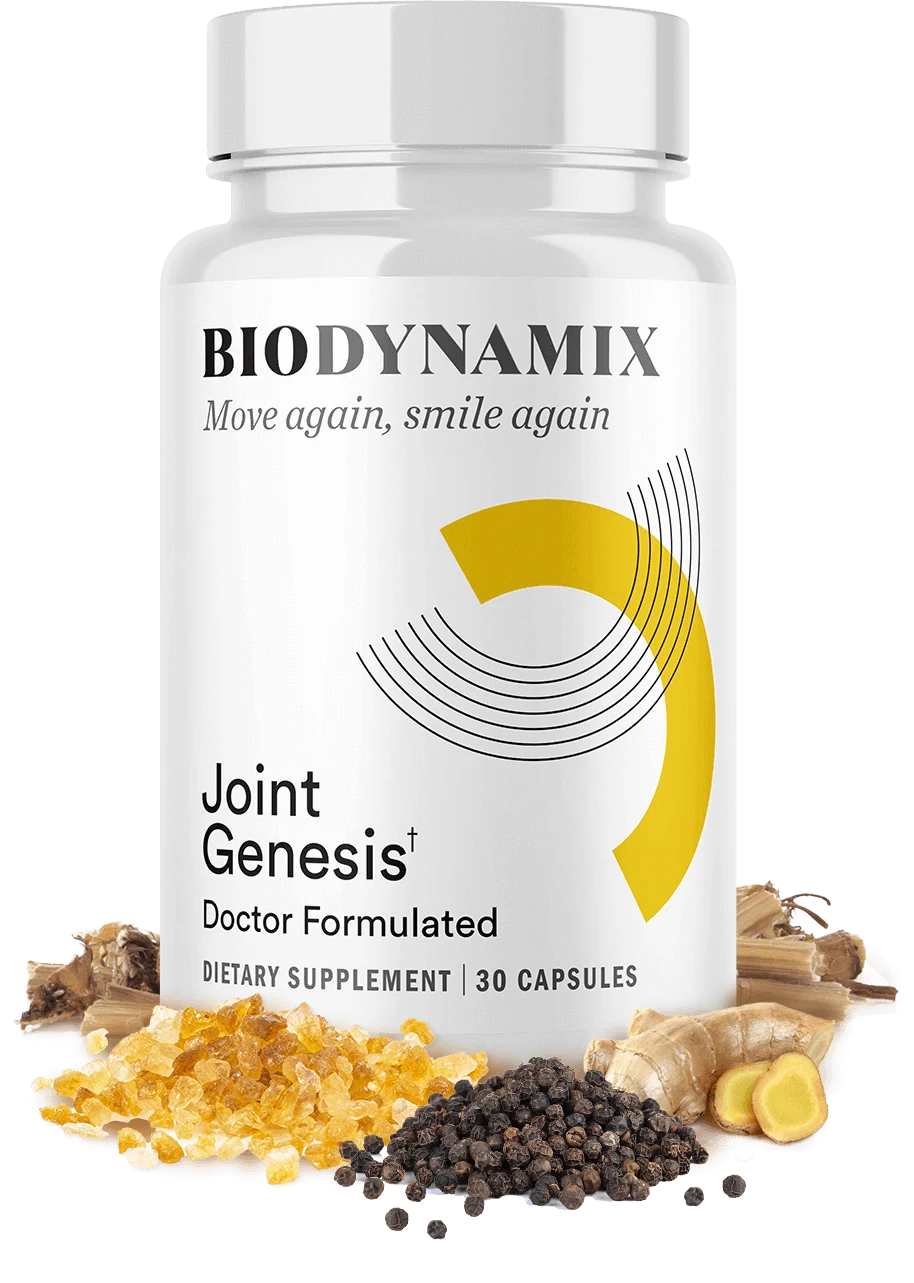
A holistic perspective on joint health acknowledges that inflammation is just one piece of the puzzle. By supporting the entire joint ecosystem, from the cellular level to the overall structural integrity, it's possible to achieve more profound and lasting relief. This comprehensive strategy aims not only to reduce pain and inflammation but also to promote the conditions necessary for your joints to thrive and function optimally, allowing you to regain mobility and enjoy an active lifestyle. To learn more about the complete range of ingredients and how they work together, you can visit our main page at Joint Genesis.
Key Ingredients in Joint Genesis for Comprehensive Joint Support
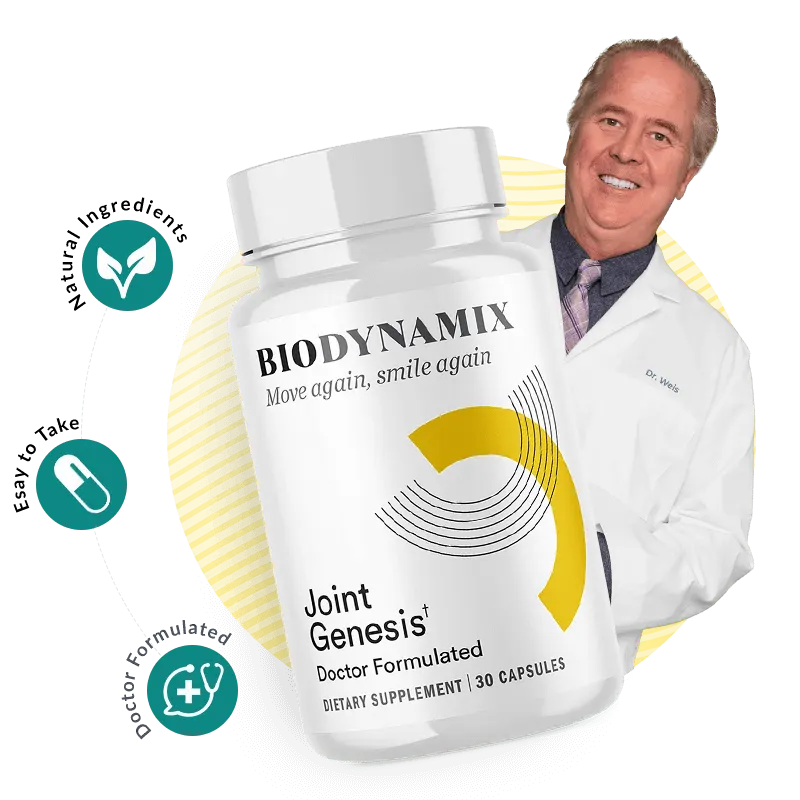
Joint Genesis is formulated to provide comprehensive joint support by combining highly bioavailable turmeric curcumin with other potent, scientifically-backed ingredients.
Mobilee® (Hyaluronic Acid Extract)
Role: Mobilee® is a patented natural ingredient with a high concentration of hyaluronic acid, polysaccharides, and collagen. It is specifically designed to support the health and viscosity of synovial fluid, the natural lubricant that cushions your joints. By enhancing synovial fluid quality, Mobilee® promotes smoother joint movement, reduces friction, and helps nourish cartilage cells, which is crucial for overall joint comfort and flexibility.
Ginger Root Powder
Role: Ginger has been used for centuries in traditional medicine for its anti-inflammatory and pain-relieving properties, similar to curcumin. It contains compounds called gingerols and shogaols, which help inhibit the production of pro-inflammatory mediators. Ginger works synergistically with curcumin to further reduce joint inflammation, alleviate discomfort, and promote a healthy inflammatory response within the joints.
Boswellia Serrata Extract
Role: Derived from the frankincense tree, Boswellia serrata is renowned for its powerful anti-inflammatory effects. Its active compounds, boswellic acids, specifically target the 5-lipoxygenase (5-LOX) pathway, a key mediator of inflammation in the body. By inhibiting 5-LOX, Boswellia helps reduce inflammatory responses, decrease joint swelling, and improve joint pain and function, making it an excellent complement to curcumin.
Pine Bark Extract (Pycnogenol®)
Role: Pycnogenol® is a patented extract from French maritime pine bark, celebrated for its potent antioxidant and anti-inflammatory properties. It helps protect joint tissues from oxidative stress and reduces inflammatory markers. Additionally, Pycnogenol® may support healthy blood flow to the joints and enhance the synthesis of hyaluronic acid, further contributing to cartilage health and synovial fluid quality.
BioPerine® (Black Pepper Extract)
Role: BioPerine® is a patented extract of piperine from black pepper, specifically included to significantly enhance the bioavailability of curcumin and other nutrients. As discussed, curcumin is poorly absorbed on its own. BioPerine® increases the absorption of curcumin by up to 2,000%, ensuring that a greater amount of the active compound reaches your bloodstream and, subsequently, your joints, maximizing its therapeutic potential.
Turmeric Curcumin (High Bioavailability)
Role: The star ingredient, included in a highly bioavailable form, acts as a potent anti-inflammatory and antioxidant. It inhibits key inflammatory pathways (NF-κB, COX-2, LOX) and reduces pro-inflammatory cytokines, directly addressing the root causes of joint pain and degeneration. Its antioxidant effects protect joint cells from damage, supporting overall joint integrity and promoting comfort.
Experience the Difference with Joint Genesis
Joint Genesis is formulated with cutting-edge natural ingredients, including highly bioavailable turmeric curcumin, designed to nourish your joints and support a healthy inflammation response. It's a comprehensive approach to combating the discomfort of osteoarthritis and joint degeneration.
- Targets the root cause of joint discomfort by supporting synovial fluid
- Features scientifically-backed ingredients for proven efficacy
- Supports healthy synovial fluid for natural joint lubrication
- Promotes comfortable movement and flexibility
- Manufactured in a GMP-certified facility for quality assurance



What Our Customers Are Saying
"I've struggled with knee pain for years, making simple walks a chore. After incorporating Joint Genesis into my routine, the difference is remarkable. My knees feel more fluid, and the constant ache has significantly diminished. I'm back to enjoying my morning strolls without dread."
"My rheumatologist suggested I look into natural anti-inflammatories, and a friend recommended Joint Genesis. The combination of ingredients, especially the highly absorbable curcumin, seems to be exactly what my hands and wrists needed. Stiffness in the morning is almost gone, and I can garden again!"
"I was skeptical at first, but the 60-day guarantee convinced me to try Joint Genesis. I'm so glad I did! My hip pain, which used to keep me up at night, is much more manageable. I feel like I have more energy and less discomfort throughout the day. This supplement has truly improved my quality of life."
Frequently Asked Questions
What is turmeric curcumin and how does it relate to joint health?
+Turmeric is a spice, and curcumin is its primary active compound, renowned for its potent anti-inflammatory and antioxidant properties. It's extensively studied for its ability to modulate inflammatory pathways, making it highly beneficial for conditions like osteoarthritis and overall joint health.
How does curcumin specifically help with arthritis inflammation?
+Curcumin targets multiple inflammatory pathways, including inhibiting NF-κB, a protein complex that controls DNA transcription and cytokine production involved in inflammation. It also helps reduce the activity of enzymes like COX-2 and LOX, which are key mediators of pain and inflammation in arthritis.
What is the recommended dosage for turmeric curcumin for arthritis?
+Effective dosages can vary widely, but most clinical studies use curcumin extracts standardized to 95% curcuminoids, typically ranging from 500 mg to 1,500 mg per day, often split into multiple doses. It's crucial to choose a formulation with enhanced bioavailability, such as those with BioPerine or liposomal delivery.
Are there any potential side effects or precautions when taking turmeric curcumin?
+Turmeric curcumin is generally well-tolerated. Some individuals may experience mild digestive upset, nausea, or diarrhea, especially at high doses. It can also interact with blood-thinning medications, so it's essential to consult your doctor before starting supplementation, particularly if you have a bleeding disorder or are on medication.
How long does it typically take to experience benefits from turmeric curcumin for joint pain?
+While some individuals may notice improvements within a few weeks, the full benefits of turmeric curcumin for chronic conditions like arthritis often require consistent supplementation over 8 to 12 weeks. Its effects are cumulative, focusing on reducing underlying inflammation rather than immediate pain relief.
How does Joint Genesis incorporate turmeric curcumin to support joint health?
+Joint Genesis includes a highly bioavailable form of turmeric curcumin, specifically chosen for its enhanced absorption and efficacy. This powerful ingredient works synergistically with other joint-supporting compounds in the formula to provide comprehensive relief from inflammation, protect cartilage, and promote overall joint comfort and mobility.
Related Articles