Are your joints telling you a story of wear and tear, or something more profound?
For many, the onset of joint discomfort is simply attributed to aging, a natural consequence of years of movement and activity. While age is undeniably a factor, the reality of osteoarthritis (OA) and its accompanying joint degeneration is far more intricate. It's a complex condition influenced by a myriad of biological, mechanical, and lifestyle elements, often misunderstood as mere "wear and tear." Understanding these underlying causes is the first crucial step toward effective management and fostering long-term joint health.
In this comprehensive guide, we'll delve deep into the primary drivers of OA, exploring everything from cellular aging and chronic inflammation to mechanical stresses and genetic predispositions. We'll uncover how the delicate balance of your joint environment, particularly the health of your synovial fluid and the integrity of its hyaluronic acid, plays a pivotal role in maintaining joint cushioning and lubrication. By shedding light on these critical factors, we aim to empower you with the knowledge to proactively address joint degeneration and seek solutions that truly support your body's natural mechanisms.
The Multifaceted Nature of Osteoarthritis: More Than Just Wear and Tear
Osteoarthritis (OA) is the most prevalent form of arthritis, impacting millions globally. Far from being a simple result of mechanical stress, OA is now understood as a whole-joint disease involving the degradation of articular cartilage, changes in the underlying bone, inflammation of the synovial membrane, and deterioration of ligaments and menisci. This complex interplay of factors contributes to the chronic pain, stiffness, and loss of function characteristic of the condition.
Historically, osteoarthritis was often dismissed as an inevitable consequence of aging, a simple "wear and tear" phenomenon where cartilage erodes over time due to mechanical friction. While mechanical stress certainly plays a role, modern medical understanding has evolved significantly, revealing a much more intricate pathology. We now recognize that OA is a dynamic process involving biological, genetic, and environmental factors that collectively contribute to the progressive destruction of joint tissues. It's not just about the breakdown of cartilage; it's about the failure of the joint to repair itself, leading to a cascade of degenerative changes. The misconception of OA as merely a mechanical problem has often led to inadequate treatment approaches, highlighting the importance of understanding its true multifaceted nature. Addressing these diverse causes is crucial for developing effective strategies for prevention, management, and potentially even reversal of joint degeneration. The journey to understanding OA begins with acknowledging its complexity and moving beyond simplistic explanations, embracing a holistic view of joint health and disease.
At its core, OA involves the progressive loss of articular cartilage, the smooth, slippery tissue that covers the ends of bones in a joint, allowing them to glide effortlessly. When this cartilage deteriorates, bones begin to rub directly against each other, causing pain, inflammation, and further damage. This process is not uniform; it can affect any joint in the body, but it is most common in weight-bearing joints like the knees, hips, and spine, as well as the hands. The pain associated with OA often worsens with activity and improves with rest, though in advanced stages, pain can be persistent even at rest. Stiffness is also a hallmark symptom, particularly after periods of inactivity, such as first thing in the morning. Over time, joint swelling, tenderness, and a grating sensation may develop, severely impacting mobility and quality of life. The impact of OA extends beyond physical symptoms; it can lead to significant psychological distress, including anxiety and depression, due to chronic pain and reduced independence. Understanding the distinct characteristics of OA is vital for accurate diagnosis and for differentiating it from other forms of arthritis, such as rheumatoid arthritis, which has different underlying causes and treatment approaches. The distinction is critical for personalized and effective care.
Moreover, the progression of osteoarthritis is not uniform across all individuals. Some people experience a slow, gradual decline in joint health over many years, while others may experience rapid progression. This variability underscores the importance of identifying the specific contributing factors in each individual case. Early intervention, based on a clear understanding of these factors, can significantly alter the trajectory of the disease, preserving joint function and reducing the need for more invasive treatments later on. This proactive approach emphasizes the necessity of education and awareness regarding the diverse causes of OA, moving beyond the simplistic 'wear and tear' narrative to a more nuanced understanding of this debilitating condition.
💡 Key Takeaway
Osteoarthritis is a complex, multifactorial disease involving the entire joint structure, not just cartilage erosion. Its causes extend beyond simple wear and tear, encompassing biological, mechanical, and cellular factors that disrupt the joint's natural repair processes. A holistic understanding is essential for effective prevention and management.
The Role of Aging and Cellular Senescence in Joint Degeneration
Aging is arguably the most significant risk factor for osteoarthritis, but its influence is far more complex than a simple accumulation of years. It involves profound changes at the cellular and molecular levels that directly impair the joint's ability to maintain and repair itself.
As we age, the cells responsible for maintaining cartilage health, known as chondrocytes, undergo a process called cellular senescence. Senescent cells stop dividing but remain metabolically active, secreting a variety of pro-inflammatory and tissue-degrading molecules collectively known as the Senescence-Associated Secretory Phenotype (SASP). These molecules, including cytokines like IL-1β and TNF-α, and matrix metalloproteinases (MMPs), create a hostile microenvironment within the joint. This environment directly contributes to the breakdown of the extracellular matrix, which is the structural scaffolding of cartilage, and inhibits the ability of healthy chondrocytes to repair damage. Essentially, senescent cells act like "bad apples," poisoning the joint environment and accelerating degeneration. The accumulation of these senescent cells is a hallmark of aging tissues and is particularly prominent in osteoarthritic joints, making it a key area of research for novel therapeutic interventions. Understanding this cellular aging process is vital for appreciating why simply "resting" an aging joint isn't enough to prevent OA; the problem lies deeper, at the cellular level, where repair mechanisms become compromised. This insight moves us beyond superficial explanations and towards a more profound understanding of age-related joint decline, emphasizing the need for approaches that address cellular health rather than just symptomatic relief. For more insights on mitigating age-related joint issues, you might find our article on how to reduce joint inflammation naturally helpful.
Beyond senescence, aging also leads to a reduction in the quality and quantity of crucial joint components. For instance, the production of hyaluronic acid (HA), a key lubricating and shock-absorbing molecule in synovial fluid, significantly declines with age. This reduction makes the synovial fluid less viscous and less effective at protecting the cartilage from friction and impact. The cartilage itself also becomes less resilient, losing its elasticity and water content, making it more susceptible to damage from everyday stresses. Furthermore, the body's natural repair mechanisms become less efficient. Younger joints have a remarkable capacity to self-repair minor damage, but this ability wanes with age, meaning that cumulative micro-injuries are less effectively addressed, leading to progressive degeneration. This decline in intrinsic repair capacity, coupled with the hostile inflammatory environment created by senescent cells, establishes a vicious cycle that drives OA progression. Recognizing these age-related changes underscores the importance of proactive measures to support joint health, even before symptoms become pronounced. Strategies that aim to replenish key joint components and mitigate cellular aging processes become increasingly relevant as we navigate the aging process, offering a pathway to maintain joint function and comfort for longer.
The impact of aging on joint health is not solely confined to the cartilage and synovial fluid. The underlying subchondral bone also undergoes changes, becoming stiffer and less able to absorb shock, which further exacerbates the stress on the overlying cartilage. Ligaments and tendons, which provide stability to the joint, can also lose elasticity and strength with age, making the joint more vulnerable to injury and instability. This holistic deterioration of the entire joint structure highlights why a comprehensive approach is necessary when addressing age-related joint degeneration. Simply treating symptoms in isolation fails to address the widespread cellular and structural changes occurring within the aging joint. Therefore, strategies that support cellular vitality, enhance natural lubrication, and promote tissue resilience are paramount in mitigating the effects of aging on our joints, allowing for a more active and comfortable life well into our later years. This deeper understanding underscores the need for proactive and comprehensive joint care.
Chronic Inflammation: A Silent Destroyer of Joint Cartilage
While not typically classified as an inflammatory arthritis like rheumatoid arthritis, chronic, low-grade inflammation is now recognized as a critical accelerator and driver of osteoarthritis progression. This insidious inflammation plays a significant role in cartilage degradation.
Cytokine Storm
Within an osteoarthritic joint, various cells, including chondrocytes, synovial fibroblasts, and immune cells, release pro-inflammatory cytokines such as Interleukin-1 beta (IL-1β) and Tumor Necrosis Factor-alpha (TNF-α). These cytokines are potent signaling molecules that initiate and perpetuate inflammatory responses. They stimulate chondrocytes to produce enzymes like matrix metalloproteinases (MMPs) and ADAMTS (a disintegrin and metalloproteinase with thrombospondin motifs), which are highly destructive to the cartilage matrix. This creates a vicious cycle where inflammation leads to cartilage breakdown, which in turn releases more inflammatory mediators, further accelerating the degenerative process. The presence of these cytokines not only degrades existing cartilage but also inhibits the synthesis of new cartilage components, effectively crippling the joint's ability to repair itself.
Oxidative Stress
Another major contributor to joint inflammation and degeneration is oxidative stress. This occurs when there's an imbalance between the production of reactive oxygen species (free radicals) and the body's ability to neutralize them with antioxidants. In osteoarthritic joints, increased metabolic activity and inflammatory processes lead to an overproduction of free radicals. These free radicals directly damage chondrocytes, synovial cells, and the extracellular matrix components like collagen and proteoglycans. They can also activate inflammatory pathways, further contributing to the cytokine storm. The cumulative damage from oxidative stress impairs the structural integrity of cartilage and compromises the function of joint cells, making them more vulnerable to mechanical stress and less capable of repair. Antioxidant defenses naturally present in the joint, such as superoxide dismutase, often become overwhelmed in the presence of chronic inflammation, leading to unchecked oxidative damage and accelerated joint destruction.
Synovial Inflammation (Synovitis)
The synovial membrane, which lines the joint capsule and produces synovial fluid, can also become inflamed in OA, a condition known as synovitis. While less pronounced than in rheumatoid arthritis, synovitis in OA is significant. An inflamed synovium produces more pro-inflammatory cytokines and enzymes, which then diffuse into the synovial fluid and cartilage, directly contributing to cartilage breakdown. Furthermore, synovitis can alter the composition and viscosity of the synovial fluid, making it less effective as a lubricant and shock absorber. This reduced quality of synovial fluid exacerbates mechanical stress on the cartilage, creating a feedback loop where inflammation fuels degeneration, and degeneration fuels inflammation. The presence of immune cells within the synovial membrane, such as macrophages, further contributes to this inflammatory environment by releasing additional inflammatory mediators, creating a sustained state of low-grade inflammation that persistently attacks joint tissues. This often overlooked aspect of OA highlights the systemic nature of the disease within the joint.
Understanding the pervasive role of chronic inflammation in OA shifts the focus from purely mechanical solutions to strategies that also address the inflammatory cascade. By mitigating inflammation, it may be possible to slow the progression of cartilage degradation and alleviate pain. This is where a holistic approach, including diet, exercise, and targeted nutritional support, becomes paramount. Many natural compounds are known for their anti-inflammatory properties and can play a supportive role in managing the inflammatory component of OA. For a deeper dive into managing inflammation, consider reading our article on how to reduce joint inflammation naturally.
Mechanical Stress and Joint Injury: The Physical Contributors to OA
While not the sole cause, mechanical stress and joint injuries are undeniable and significant contributors to the development and progression of osteoarthritis. Repeated microtrauma or acute significant injuries can initiate or accelerate the degenerative process.
Obesity and Excess Weight: One of the most significant mechanical factors contributing to OA, particularly in weight-bearing joints like the knees and hips, is obesity. Every pound of body weight adds several pounds of pressure to the knees during walking and even more during activities like climbing stairs. This chronic excessive load directly stresses the articular cartilage, leading to increased wear and tear. Furthermore, adipose (fat) tissue is not just an inert energy store; it's an active endocrine organ that releases pro-inflammatory cytokines, such as leptin and adiponectin. These systemic inflammatory mediators can contribute to the low-grade inflammation within joints, exacerbating cartilage degradation even in non-weight-bearing joints. Therefore, obesity acts as a dual threat: it imposes immense mechanical stress and contributes to a pro-inflammatory environment, accelerating the onset and progression of OA. Losing even a modest amount of weight can significantly reduce the load on joints and decrease systemic inflammation, making it a powerful strategy for OA prevention and management.
Joint Injuries and Trauma: A history of joint injury, such as a ligament tear (e.g., ACL tear), meniscal damage, or a fracture involving a joint, dramatically increases the risk of developing post-traumatic osteoarthritis (PTOA). Even seemingly minor injuries can disrupt the delicate biomechanics of the joint, alter load distribution, and initiate an inflammatory response that can persist for years. For example, a meniscal tear can lead to abnormal stress concentrations on the cartilage, accelerating its breakdown. Similarly, surgical interventions to repair injuries, while often necessary, can sometimes alter joint mechanics or cause further inflammation, contributing to long-term OA risk. The initial trauma often triggers an acute inflammatory cascade, but if this inflammation isn't properly resolved, it can transition into chronic low-grade inflammation, driving long-term cartilage degradation. Proper rehabilitation after a joint injury is therefore critical not only for restoring function but also for minimizing the risk of developing PTOA down the line. Protecting joints from recurrent injury through appropriate exercise techniques, protective gear, and avoiding high-impact activities where possible, is key to preserving joint health over time.
Repetitive Stress and Overuse: Certain occupations or sports that involve repetitive joint movements or high-impact activities can also predispose individuals to OA. For example, athletes involved in contact sports or activities requiring frequent jumping and pivoting (like soccer or basketball) often experience higher rates of OA in their knees and ankles. Similarly, manual labor jobs that involve heavy lifting, kneeling, or squatting can increase the risk of OA in the spine, hips, and knees. This is because repetitive strain can lead to micro-damage to the cartilage and subchondral bone, which, if not given adequate time to repair, can accumulate and lead to progressive degeneration. While exercise is crucial for joint health, it's important to find a balance and avoid overuse or improper form that can lead to injury. Cross-training, incorporating low-impact activities, and ensuring adequate rest and recovery periods are essential strategies for individuals engaged in physically demanding activities to protect their joints. Understanding these mechanical stresses allows for targeted preventative measures and lifestyle adjustments that can significantly reduce the risk of OA. This proactive approach is vital for anyone whose lifestyle or occupation places significant demands on their joints.
Genetic Predisposition and Lifestyle Factors
Beyond age, inflammation, and mechanical stress, our genetic makeup and daily lifestyle choices play a crucial role in determining our susceptibility to osteoarthritis and how it progresses.
Genetic Influence
While OA is not typically considered a purely genetic disease, research increasingly shows a significant hereditary component. If your parents or close relatives have experienced osteoarthritis, especially severe or early-onset forms, your risk of developing the condition is elevated. Scientists have identified several genes that may influence cartilage structure, bone density, and inflammatory responses, all of which can impact joint health. These genetic factors can affect how well your cartilage repairs itself, how susceptible it is to damage, and how your body responds to inflammation. Understanding your family history can be a powerful motivator for proactive joint care and early intervention strategies, as certain genetic predispositions might accelerate the degenerative process under specific environmental triggers. This genetic link suggests that for some, the inherent resilience of their joint tissues may be naturally lower, making them more vulnerable to the other causes of OA.
Diet and Nutrition
The foods we eat profoundly impact our overall health, including our joints. A diet rich in processed foods, refined sugars, and unhealthy fats can promote systemic inflammation, which, as discussed, is a key driver of OA. Conversely, a diet rich in fruits, vegetables, whole grains, lean proteins, and healthy fats (like omega-3 fatty acids) can provide anti-inflammatory benefits and essential nutrients for cartilage repair and maintenance. Antioxidants found in colorful produce help combat oxidative stress, protecting joint cells from damage. Certain vitamins and minerals, such as Vitamin C for collagen synthesis and Vitamin D for bone health, are also crucial. A balanced, nutrient-dense diet can help maintain a healthy weight, reduce inflammation, and supply the building blocks necessary for robust joint tissues, acting as a powerful preventative and supportive measure against joint degeneration. Incorporating a diet focused on whole, unprocessed foods is a fundamental step towards supporting long-term joint vitality.
Physical Activity & Joint Biomechanics
Regular physical activity is vital for joint health, but the type and manner of exercise matter. Sedentary lifestyles can lead to muscle weakness, reduced joint flexibility, and poor circulation, all of which negatively impact cartilage health. Conversely, appropriate exercise strengthens the muscles supporting the joints, improves joint stability, and enhances the circulation of nutrients to cartilage (which lacks its own blood supply, relying on movement for nutrient exchange). However, improper biomechanics during exercise or daily activities can place undue stress on joints, accelerating wear. For example, poor posture, incorrect lifting techniques, or uncorrected gait abnormalities can lead to uneven load distribution across joint surfaces. Addressing these biomechanical issues through physical therapy, ergonomic adjustments, and proper exercise instruction can significantly reduce the risk of OA progression. It’s about smart movement, not just movement. A well-designed exercise program, tailored to individual needs and limitations, is a powerful tool in both preventing and managing osteoarthritis, fostering strength and flexibility without causing harm.
Smoking and Other Toxins
Lifestyle choices such as smoking can have detrimental effects on joint health. Smoking is known to increase oxidative stress and systemic inflammation throughout the body, both of which are direct contributors to cartilage degradation. It can also impair blood flow, reducing the supply of essential nutrients to joint tissues and hindering their repair capabilities. Furthermore, exposure to certain environmental toxins, though less understood in direct relation to OA, can contribute to overall systemic inflammation and cellular damage. Reducing exposure to these harmful substances is another important aspect of a holistic approach to joint health. Quitting smoking is one of the most impactful lifestyle changes an individual can make for their overall health, including the health of their joints. These seemingly unrelated factors highlight how interconnected our bodily systems are, and how overall health choices ripple through to affect specific areas like joint integrity.
Understanding Joint Genesis: A Holistic Approach to Supporting Joint Health
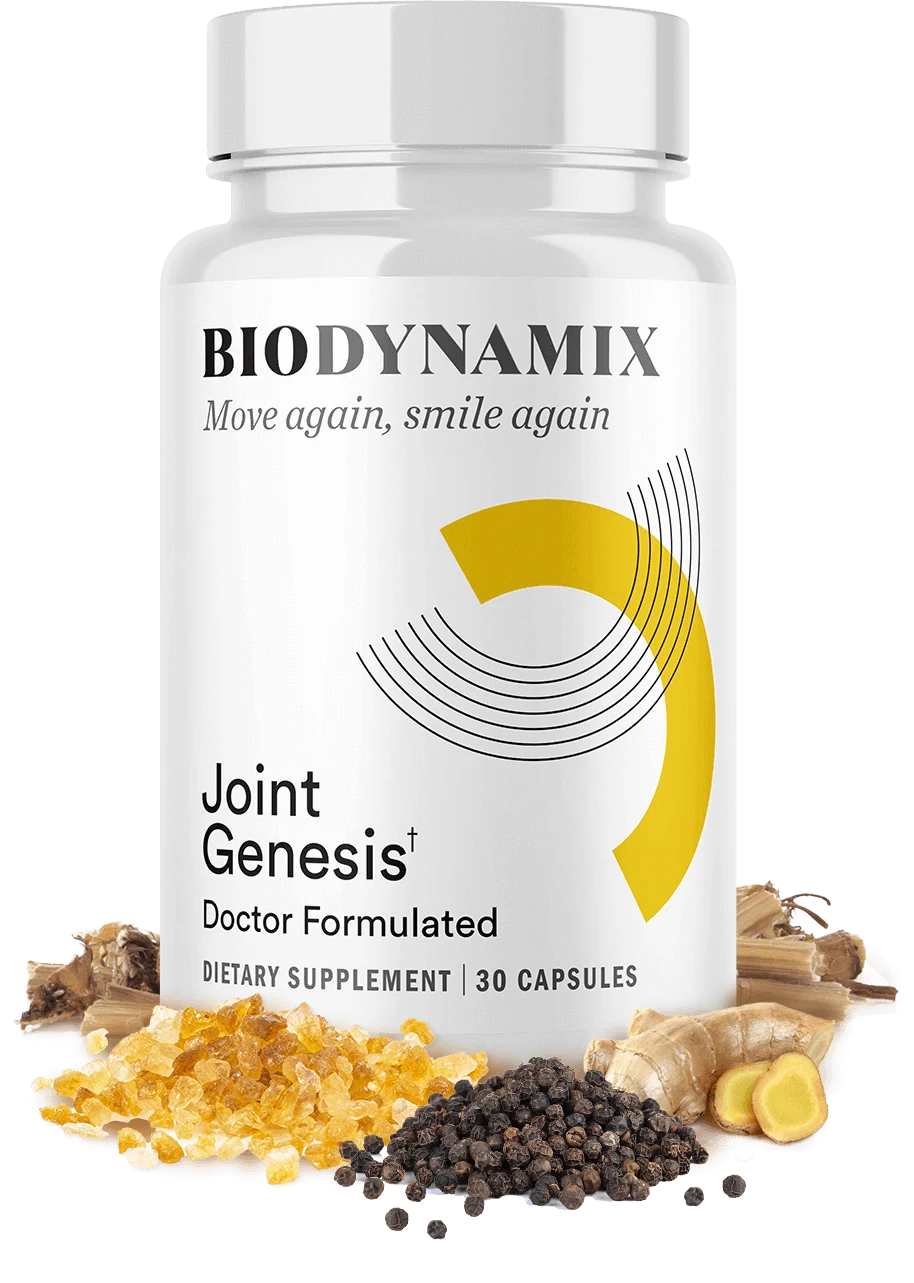
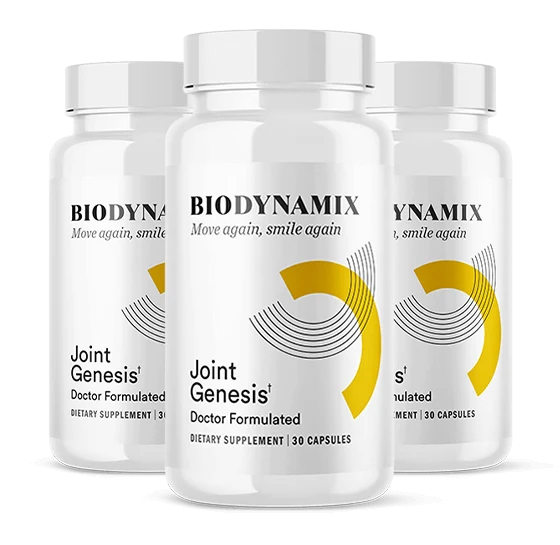
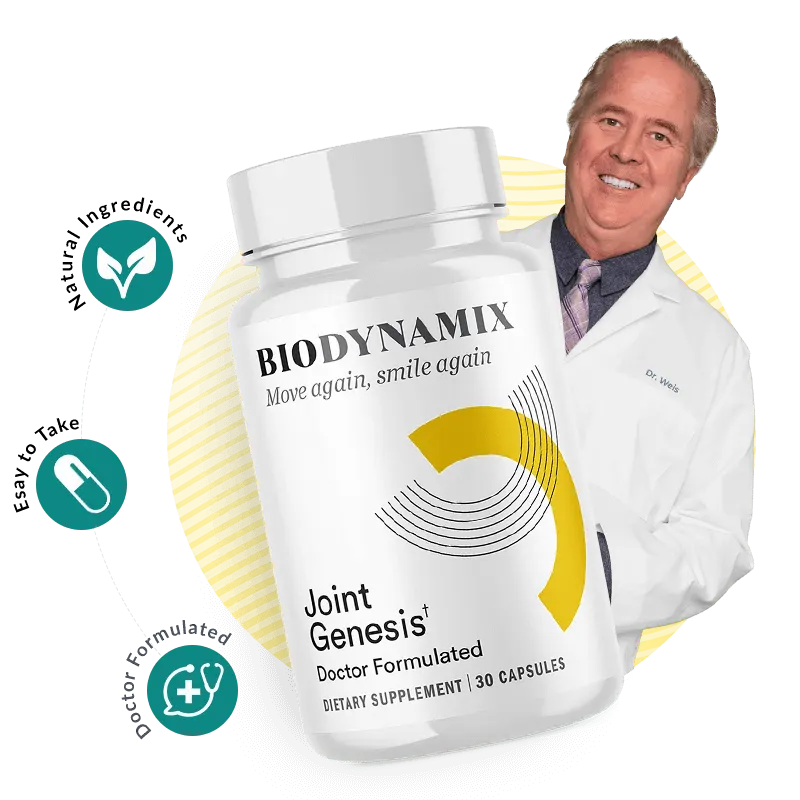
Given the complex, multifactorial nature of osteoarthritis and joint degeneration, a comprehensive strategy is often necessary for effective management. This includes lifestyle modifications, targeted exercises, and, for many, nutritional support designed to address the underlying biological mechanisms of joint decline. Joint Genesis offers a unique blend of ingredients aimed at supporting key aspects of joint health, particularly focusing on the vital role of synovial fluid and cartilage integrity.
Mobilee® (Hyaluronic Acid)
Role: Mobilee® is a patented, natural ingredient with a high concentration of hyaluronic acid (HA), along with other beneficial components like collagen and polysaccharides. Hyaluronic acid is a critical component of healthy synovial fluid, providing lubrication, shock absorption, and nutrient transport to cartilage. As we age, the quantity and quality of HA in our joints decline, leading to increased friction and accelerated cartilage wear. Mobilee® aims to replenish and enhance the viscoelastic properties of synovial fluid, reducing friction and supporting the cushioning effect within the joint. By improving the health of the synovial fluid, it helps create a more optimal environment for cartilage function and protection.
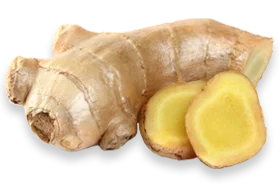
Ginger Root Extract
Role: Ginger has been used for centuries in traditional medicine for its powerful anti-inflammatory and antioxidant properties. The active compounds in ginger, particularly gingerols and shogaols, can help inhibit the production of pro-inflammatory cytokines and enzymes that contribute to cartilage degradation in osteoarthritis. By modulating the inflammatory response, ginger can help reduce joint pain, stiffness, and swelling, providing symptomatic relief while also potentially slowing the degenerative process. Its antioxidant capacity further helps combat oxidative stress, protecting joint cells from damage. Ginger acts as a natural ally in managing the inflammatory component of OA, supporting overall joint comfort and function.
Boswellia Serrata Extract
Role: Boswellia serrata, also known as Indian frankincense, contains boswellic acids that are renowned for their potent anti-inflammatory effects. These compounds specifically target and inhibit key enzymes involved in inflammatory pathways, such as 5-lipoxygenase (5-LOX), which produces leukotrienes – powerful mediators of inflammation. By suppressing these inflammatory pathways, Boswellia helps reduce joint pain, improve joint mobility, and lessen morning stiffness associated with osteoarthritis. Its mechanism of action is distinct from many conventional anti-inflammatory drugs, offering a natural way to mitigate the chronic inflammation that drives OA progression without harsh side effects. This makes Boswellia a valuable ingredient for comprehensive joint support.
Pine Bark Extract
Role: Pine bark extract, often standardized to contain powerful antioxidants called proanthocyanidins, is a potent scavenger of free radicals. By reducing oxidative stress, it helps protect joint tissues, including cartilage and synovial cells, from damage. Additionally, pine bark extract has been shown to possess anti-inflammatory properties, helping to modulate immune responses and reduce the production of inflammatory mediators. It may also support healthy circulation, ensuring better nutrient delivery to the joints. Its comprehensive antioxidant and anti-inflammatory actions make it a valuable ingredient for protecting joints against the dual threats of oxidative damage and chronic inflammation, contributing to overall joint resilience and comfort.
BioPerine® (Black Pepper Extract)
Role: BioPerine® is a patented extract of black pepper fruit that is included primarily for its ability to enhance the bioavailability of other nutrients. While it has some antioxidant properties itself, its main role in Joint Genesis is to ensure that the other beneficial ingredients, such as those with anti-inflammatory or antioxidant actions, are absorbed more effectively by the body. This significantly increases the efficacy of the entire formula, allowing the body to utilize the active compounds more efficiently for maximum joint support. By optimizing absorption, BioPerine® ensures that you get the most out of each dose, making the other powerful ingredients work harder for your joint health. It's an enhancer that ensures the formula's full potential is realized.
Reclaim Your Joint Comfort and Mobility with Joint Genesis
Don't let the complex causes of osteoarthritis dictate your life. Joint Genesis offers a scientifically formulated blend of natural ingredients designed to target key factors of joint degeneration, from supporting healthy synovial fluid to combating inflammation and oxidative stress. By nourishing your joints from within, Joint Genesis aims to help you experience greater comfort, flexibility, and a renewed sense of mobility.
- Supports healthy synovial fluid and cartilage
- Helps reduce joint discomfort and stiffness
- Combats age-related cellular senescence in joints
- Promotes a healthy inflammatory response
- Made with scientifically-backed, natural ingredients




What Our Users Are Saying
"I was skeptical, but Joint Genesis has truly made a difference. My knees used to ache constantly, especially in the mornings. Now, I wake up feeling much more mobile and less stiff. It's given me back my morning walks!"
"After years of dealing with hip pain from what doctors called 'wear and tear,' I tried Joint Genesis. The improvement in my flexibility and overall comfort has been remarkable. I can now enjoy gardening again without constant discomfort."
"As an active senior, joint health is paramount. Joint Genesis has been a game-changer for my overall joint comfort. I feel more agile and less prone to that nagging stiffness after long periods of activity. Highly recommend!"
Frequently Asked Questions
What exactly is osteoarthritis and how does it differ from other forms of arthritis?
+Osteoarthritis (OA) is the most common form of arthritis, characterized by the breakdown of cartilage—the protective tissue that cushions the ends of bones within a joint. Unlike inflammatory arthritides such as rheumatoid arthritis, OA is primarily considered a degenerative condition, though inflammation plays a significant secondary role. It leads to pain, stiffness, and reduced joint mobility as bones begin to rub directly against each other.
What are the primary underlying causes of joint degeneration in osteoarthritis?
+Joint degeneration in OA is multifactorial, stemming from a complex interplay of mechanical stress, biological factors, and cellular processes. Key causes include aging, genetic predisposition, previous joint injuries, obesity, chronic inflammation, and the gradual depletion of vital joint components like hyaluronic acid and collagen. These factors collectively contribute to the progressive breakdown of articular cartilage and the remodeling of underlying bone.
How does inflammation specifically contribute to the progression of osteoarthritis?
+While often seen as a "wear and tear" disease, inflammation is a critical, often overlooked, driver of OA progression. Low-grade, chronic inflammation within the joint, particularly in the synovial membrane, leads to the release of pro-inflammatory cytokines (e.g., TNF-α, IL-1β) and enzymes that directly degrade cartilage. This inflammatory environment also hinders the natural repair processes of chondrocytes (cartilage cells), accelerating the degenerative cycle.
Can lifestyle modifications truly make a difference in preventing or managing osteoarthritis?
+Absolutely. Lifestyle modifications are cornerstone strategies for both preventing and managing OA. Maintaining a healthy weight significantly reduces stress on weight-bearing joints. Regular, low-impact exercise strengthens surrounding muscles, improves joint stability, and enhances nutrient delivery to cartilage. A balanced, anti-inflammatory diet can also help reduce systemic inflammation, while avoiding repetitive stress or injury is crucial for joint preservation.
What is the significance of hyaluronic acid in maintaining healthy joints?
+Hyaluronic acid (HA) is a vital component of synovial fluid, the lubricating substance found in healthy joints. It acts as a shock absorber, lubricant, and nutrient transporter for cartilage cells. In osteoarthritis, the quality and quantity of hyaluronic acid in synovial fluid diminish, reducing its protective capabilities and leading to increased friction, pain, and accelerated cartilage wear. Replenishing HA is a key strategy in supporting joint health.
How might a supplement like Joint Genesis contribute to supporting joint health and addressing degeneration?
+Joint Genesis is formulated with ingredients specifically chosen to address various aspects of joint health, particularly focusing on the health of synovial fluid and cartilage. Ingredients like Mobilee®, a patented form of hyaluronic acid, aim to replenish and support the viscous properties of synovial fluid. Other components, such as ginger and Boswellia serrata, are included for their potential anti-inflammatory properties, which can help mitigate the chronic inflammation often associated with joint degeneration, offering a comprehensive approach to joint comfort and mobility.
Related Articles