Could Your Gut Be the Root Cause of Your Joint Pain?
For years, the conventional understanding of osteoarthritis and joint degeneration focused primarily on mechanical wear and tear. However, emerging research is painting a much more intricate picture, suggesting a profound and often overlooked connection between the health of our digestive system and the inflammation that drives joint discomfort.
If you've been struggling with persistent joint pain, stiffness, or swelling, and traditional treatments haven't provided lasting relief, it might be time to look inward – specifically, at your gut. The intricate ecosystem within your digestive tract, known as the microbiome, plays a far more significant role in systemic inflammation and immune regulation than previously imagined, directly influencing the health of your joints.
The Gut Microbiome: A Hidden Player in Joint Health
Your gut is home to trillions of microorganisms—bacteria, viruses, fungi, and other microbes—collectively known as the gut microbiome. This complex community is not just responsible for digestion; it's a vital organ system that profoundly influences your immune system, metabolism, and even mood.
A healthy, balanced microbiome is characterized by a diverse array of beneficial bacteria that help break down food, synthesize vitamins, and maintain the integrity of the intestinal lining. However, when this delicate balance is disrupted, a condition known as dysbiosis occurs. Dysbiosis, often triggered by poor diet, stress, antibiotics, and environmental toxins, can lead to a cascade of negative effects throughout the body, including chronic inflammation.
Research indicates that individuals suffering from osteoarthritis and other inflammatory joint conditions often exhibit distinct differences in their gut microbiome composition compared to healthy individuals. This suggests that the microbial inhabitants of your gut might be actively participating in the inflammatory processes that lead to joint pain and degeneration. Understanding this intricate relationship is the first step toward finding more effective, holistic solutions for joint health.
💡 Key Takeaway
The gut microbiome is a critical regulator of systemic inflammation. An imbalanced gut (dysbiosis) can trigger widespread inflammation that directly contributes to and exacerbates joint pain and conditions like osteoarthritis.
From Gut to Joint: The Inflammation Pathway
How exactly does an imbalance in your gut translate into pain in your knees, hips, or hands? The connection lies in the body's inflammatory response.
Intestinal Permeability (Leaky Gut)
One of the most significant consequences of gut dysbiosis is increased intestinal permeability, commonly known as "leaky gut." When the tight junctions between the cells lining your intestines become compromised, they can no longer effectively block harmful substances from entering your bloodstream. This allows undigested food particles, toxins, and bacterial components (like lipopolysaccharides or LPS) to "leak" out of the gut.
Systemic Immune Activation
Once these foreign substances enter the bloodstream, your immune system identifies them as threats. This triggers a widespread immune response, leading to chronic, low-grade systemic inflammation. Instead of being confined to the gut, this inflammatory cascade spreads throughout the body, including to vulnerable areas like the joints.
Joint Tissue Damage
In the joints, chronic inflammation can accelerate the breakdown of cartilage, the protective tissue that cushions the ends of your bones. This process is central to the development and progression of osteoarthritis and other degenerative joint conditions. Inflammatory mediators released by the immune system directly attack joint tissues, leading to pain, swelling, and reduced mobility.
Altered Pain Perception
Beyond direct tissue damage, gut health can also influence the nervous system and pain perception. An inflamed gut can contribute to heightened pain sensitivity, making existing joint discomfort feel more intense. This gut-brain axis connection means that improving gut health can potentially alleviate chronic pain symptoms not just by reducing inflammation, but also by modulating pain signaling.
The Role of Diet and Lifestyle in Gut-Joint Health
Understanding the gut-joint connection empowers us to take proactive steps. Diet and lifestyle are powerful tools in shaping your microbiome and, consequently, your joint health.
A diet rich in processed foods, refined sugars, and unhealthy fats can feed detrimental bacteria, promote dysbiosis, and fuel systemic inflammation. These foods often lack the fiber necessary to nourish beneficial gut microbes and can directly irritate the gut lining, contributing to a "leaky gut."
Conversely, an anti-inflammatory diet focused on whole, unprocessed foods is crucial. Incorporating plenty of fruits, vegetables, lean proteins, and healthy fats can help rebalance your microbiome and reduce inflammation. Key dietary components include:
- Prebiotic Foods: These are fibers that feed beneficial gut bacteria. Examples include garlic, onions, leeks, asparagus, bananas, and oats.
- Probiotic Foods: Live beneficial bacteria found in fermented foods like yogurt, kefir, sauerkraut, kimchi, and kombucha.
- Omega-3 Fatty Acids: Found in fatty fish (salmon, mackerel), flaxseeds, and walnuts, these are powerful anti-inflammatory agents.
- Antioxidant-Rich Foods: Berries, dark leafy greens, and colorful vegetables help combat oxidative stress and inflammation.
Beyond diet, lifestyle factors also play a significant role. Chronic stress can negatively impact gut barrier function and alter microbiome composition. Prioritizing stress reduction techniques like meditation, yoga, or spending time in nature can be beneficial. Adequate sleep is also vital for gut repair and overall immune function. Regular, moderate exercise, as discussed in articles like Ginger for Joint Pain, not only strengthens muscles around joints but also promotes a diverse gut microbiome and reduces inflammation throughout the body.
By making conscious choices about what you eat and how you live, you can significantly influence the health of your gut, thereby mitigating systemic inflammation and supporting healthier joints. It’s a holistic approach that acknowledges the interconnectedness of your body's systems.
Targeting Gut Health for Comprehensive Joint Relief
Dietary Overhaul
Embrace a diet rich in whole, unprocessed foods. Prioritize fiber-rich vegetables, fruits, lean proteins, and healthy fats. Minimize sugar, refined grains, and inflammatory oils. This foundational change is paramount for nurturing a healthy gut microbiome.
Probiotic & Prebiotic Support
Integrate fermented foods (yogurt, kefir, sauerkraut) into your daily routine to introduce beneficial bacteria. Consider a high-quality probiotic supplement if dietary intake is insufficient. Prebiotic fibers feed these good bacteria, ensuring they thrive.
Manage Stress & Sleep
Chronic stress directly impacts gut integrity and inflammation. Implement stress-reduction techniques like meditation, deep breathing, or mindfulness. Ensure 7-9 hours of quality sleep per night, as sleep deprivation can exacerbate inflammatory responses.
Regular Movement
Engage in gentle, consistent exercise to improve circulation, strengthen supporting muscles, and reduce overall inflammation. Activities like walking, swimming, or yoga are excellent for joint health and can positively influence gut motility.
Targeted Supplementation
While diet and lifestyle are primary, certain natural supplements can provide targeted support for both gut integrity and joint inflammation. Ingredients like hyaluronic acid, ginger, and Boswellia serrata are known for their anti-inflammatory properties and ability to support joint lubrication and comfort.
Identify Food Sensitivities
Some individuals may have undiagnosed food sensitivities (e.g., gluten, dairy) that contribute to gut inflammation and systemic immune responses. Working with a healthcare professional to identify and eliminate these triggers can significantly improve both gut and joint symptoms.
Introducing Joint Genesis: A Holistic Approach to Joint Health
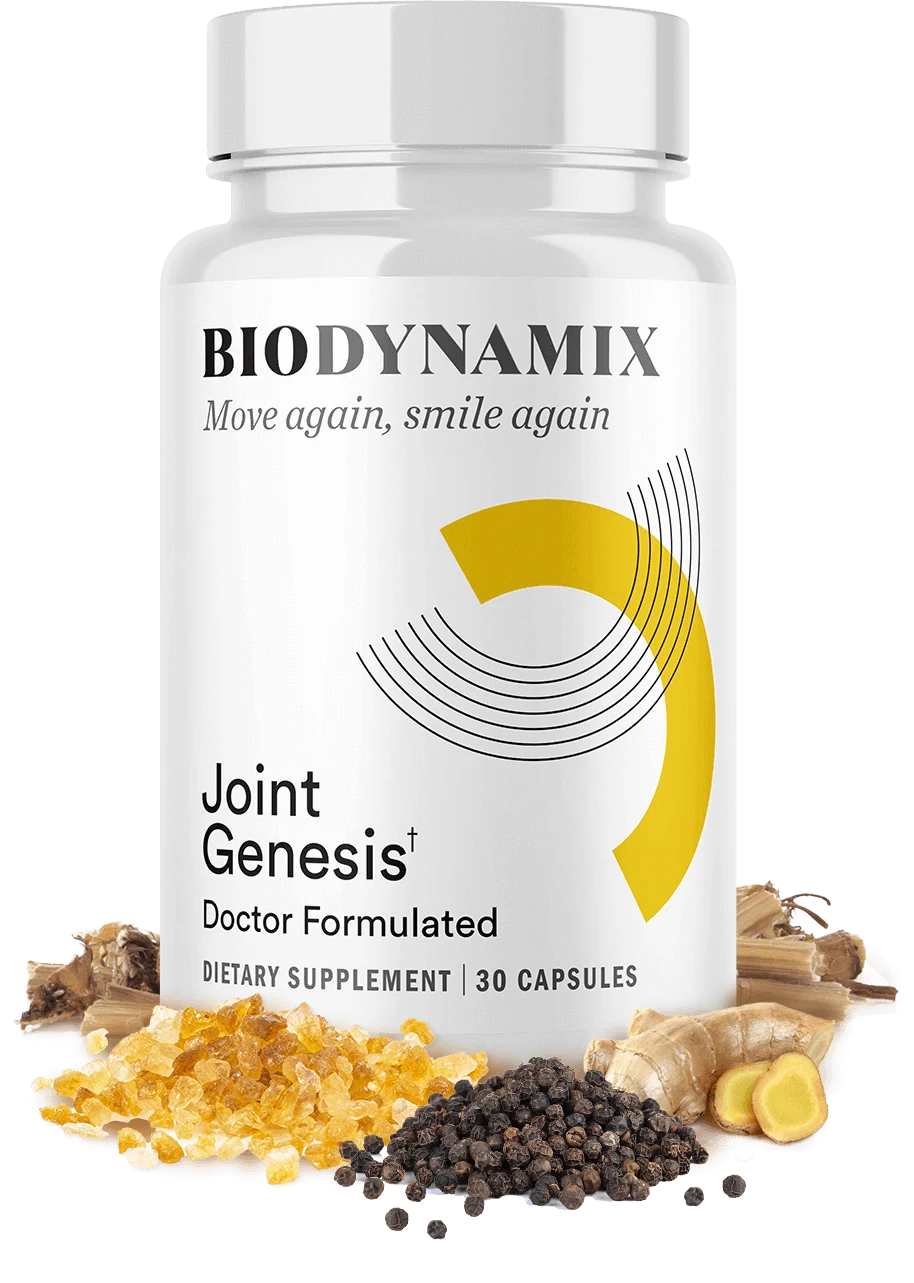
While a healthy diet and lifestyle are fundamental, targeted supplementation can provide additional support, especially when dealing with persistent joint discomfort. Joint Genesis is formulated to address key aspects of joint health, including lubrication and inflammation, which can be indirectly impacted by gut health.
Many of the ingredients in Joint Genesis have been studied for their ability to combat inflammation and support the structural integrity of joints. By focusing on these mechanisms, Joint Genesis offers a supportive pathway to improved joint function and comfort. Here are some of the key ingredients and their benefits:
Mobilee® (Hyaluronic Acid)
Role: A patented natural extract rich in hyaluronic acid, collagen, and other glycosaminoglycans. Mobilee® is clinically shown to increase hyaluronic acid production in joints by a factor of 10, significantly enhancing joint lubrication and shock absorption. This helps restore the synovial fluid that keeps joints moving smoothly, reducing friction and discomfort.
Ginger Root Powder
Role: A potent anti-inflammatory and antioxidant. Ginger has long been used in traditional medicine for pain relief and reducing swelling. It works by inhibiting the production of inflammatory molecules, offering direct relief for aching joints. Its systemic anti-inflammatory effects can also indirectly benefit conditions linked to gut-derived inflammation.
Boswellia Serrata Extract
Role: Known for its powerful anti-inflammatory properties, particularly boswellic acids. It helps reduce inflammation by targeting specific enzymes that produce inflammatory chemicals in the body, making it effective for easing joint pain and improving mobility. This ingredient's ability to modulate inflammatory pathways is crucial for overall joint comfort.
Methylsulfonylmethane (MSM)
Role: An organic sulfur compound naturally found in certain foods. MSM is vital for maintaining the elasticity and flexibility of connective tissues, including cartilage and ligaments. It helps reduce joint pain and stiffness, supports the body's natural healing processes, and can have anti-inflammatory effects.
Bioperine® (Black Pepper Extract)
Role: A patented extract from black pepper, primarily used for its ability to enhance the bioavailability of other nutrients. By improving absorption, Bioperine® ensures that the beneficial compounds in Joint Genesis are effectively utilized by the body, maximizing their impact on joint health and inflammation.
Pine Bark Extract
Role: Rich in powerful antioxidants called proanthocyanidins. Pine bark extract helps protect joint tissues from oxidative damage and can reduce inflammation. Its antioxidant effects are beneficial for supporting overall joint integrity and alleviating discomfort.
While Joint Genesis focuses on direct joint support, its anti-inflammatory ingredients contribute to a reduction in systemic inflammation, which can be a key factor in gut-related joint issues. It's designed to be a complementary part of a comprehensive health strategy that includes dietary and lifestyle modifications for optimal well-being. For more information on specific ingredients like MSM, you can read our article on MSM Supplement for Joint Health.
Experience the Difference with Joint Genesis
Don't let joint pain dictate your life. Embrace a proactive approach to joint health by supporting your body's natural ability to lubricate and repair its joints. Joint Genesis offers a powerful blend of ingredients to help you regain comfort and mobility.
- ✓ Supports natural joint lubrication
- ✓ Promotes healthy cartilage
- ✓ Helps reduce joint discomfort and stiffness
- ✓ Formulated with clinically-backed ingredients
- ✓ Made in the USA in a GMP-certified facility




What Our Customers Are Saying
"I've tried so many things for my knee pain, but nothing worked like Joint Genesis. After a few weeks, I felt a noticeable difference in my mobility and comfort. It's truly life-changing!"
"My doctor mentioned the gut-joint connection, and after implementing dietary changes and adding Joint Genesis, my hip pain has significantly reduced. I can finally enjoy my morning walks again."
"I was skeptical at first, but the results speak for themselves. Less stiffness, more flexibility, and overall better joint health. Joint Genesis is now a staple in my daily routine."
Conclusion: A Holistic View of Joint Health
The intricate connection between gut health and arthritis inflammation is a paradigm shift in how we approach joint pain and degeneration. It highlights that true relief often comes from addressing the root causes of systemic inflammation, not just managing symptoms.
By nurturing a healthy gut microbiome through diet and lifestyle, you can significantly reduce the inflammatory burden on your body and, consequently, on your joints. While this journey requires commitment, the rewards of improved mobility, reduced pain, and enhanced overall well-being are immeasurable.
Supplements like Joint Genesis can serve as a powerful ally in this holistic approach, providing targeted support for joint lubrication and inflammation. Remember, the goal is to create an internal environment where your body can thrive and heal naturally. Consulting with a healthcare professional to tailor a plan that addresses both your gut and joint health is always recommended. For more insights into the general causes of joint pain, consider reading our article on Causes of Osteoarthritis.
Frequently Asked Questions
How does gut health directly influence joint inflammation?
+The gut microbiome plays a crucial role in regulating systemic inflammation. An imbalance (dysbiosis) can lead to increased intestinal permeability, allowing bacterial components to leak into the bloodstream. This triggers an immune response that can manifest as inflammation in distant sites, including the joints, exacerbating conditions like osteoarthritis.
What is "leaky gut" and how is it related to arthritis?
+"Leaky gut," or increased intestinal permeability, occurs when the tight junctions in the gut lining become compromised. This allows toxins, undigested food particles, and microbes to pass into the bloodstream. The body's immune system then reacts, leading to chronic systemic inflammation, which can directly contribute to the onset and progression of joint diseases like osteoarthritis.
Can dietary changes improve both gut health and arthritis symptoms?
+Absolutely. A diet rich in fiber, probiotics (fermented foods), and anti-inflammatory ingredients (like omega-3s, turmeric, ginger) can foster a healthy gut microbiome and reduce systemic inflammation. Conversely, processed foods, high sugar intake, and unhealthy fats can promote dysbiosis and inflammation, worsening joint pain.
Are there specific supplements that target both gut health and joint inflammation?
+Yes, certain supplements are formulated to support both. Ingredients like Boswellia Serrata, Ginger, Bioperine, and Hyaluronic Acid can help reduce joint inflammation and support joint lubrication. Additionally, compounds that support gut barrier integrity and a balanced microbiome can indirectly ease joint discomfort by reducing systemic inflammatory triggers.
How long does it take to see improvements in joint pain by focusing on gut health?
+The timeline for improvement can vary widely depending on the individual's specific condition, the severity of gut dysbiosis, and consistency of interventions. Some individuals may notice subtle changes within a few weeks, while significant improvements might take several months of dedicated dietary, lifestyle, and supplemental support.
Is Joint Genesis a suitable solution for addressing gut-related joint inflammation?
+Joint Genesis is formulated with ingredients known to support joint health and manage inflammation. While its primary focus is on joint lubrication and inflammation, several of its components, such as Ginger and Boswellia Serrata, have indirect benefits for reducing systemic inflammation which can originate from gut imbalances. It can be a valuable part of a holistic approach to joint health.
Related Articles