Is Glucosamine Chondroitin Truly the Answer to Your Joint Pain?
Joint pain, particularly from osteoarthritis and age-related joint degeneration, affects millions globally, limiting mobility and quality of life. The search for effective relief often leads individuals to dietary supplements, with glucosamine and chondroitin standing out as two of the most widely recognized and researched compounds in this category. For decades, these natural substances have been lauded for their potential to support cartilage health and alleviate discomfort, becoming staples in the wellness routines of those seeking to preserve their joint function.
But how much truth lies behind these claims? Are glucosamine and chondroitin truly effective, or are they simply popular placebos? This comprehensive review delves into the scientific evidence, mechanisms of action, and practical considerations for using these supplements, offering a balanced perspective for anyone navigating the complex world of joint health. We'll explore their benefits, potential limitations, and introduce an advanced, multi-ingredient solution, Joint Genesis, that aims to offer a more holistic approach to combating joint degeneration.
The Foundation: Understanding Joint Degeneration and Osteoarthritis
Before diving into specific supplements, it's crucial to understand the underlying conditions they aim to address. Joint pain is a pervasive issue, often stemming from the gradual breakdown of cartilage and other tissues within the joints.
Osteoarthritis (OA) is the most common form of arthritis, affecting millions worldwide. It is a degenerative joint disease characterized by the breakdown of joint cartilage and underlying bone. This breakdown leads to pain, stiffness, swelling, and reduced range of motion. While often associated with aging, OA can also be caused by joint injuries, obesity, and genetic predisposition. The smooth, slippery cartilage that cushions the ends of bones within a joint gradually wears away, leading to bone-on-bone friction, inflammation, and chronic discomfort.
The progression of OA can significantly impact daily activities, making simple tasks like walking, bending, or gripping painful. Traditional treatments often focus on pain management and improving function through physical therapy, medication, and, in severe cases, surgery. However, many individuals seek complementary approaches, including dietary supplements, to support joint health and potentially slow the progression of degeneration. This is where compounds like glucosamine and chondroitin enter the conversation, offering a natural avenue for support.
Glucosamine & Chondroitin: What Are They?
Glucosamine and chondroitin are naturally occurring compounds found in healthy cartilage, the flexible connective tissue that cushions your joints.
Glucosamine is an amino sugar that plays a vital role in the formation and repair of cartilage. It is a key building block for glycosaminoglycans (GAGs) and proteoglycans, which are essential components of joint cartilage. In supplements, glucosamine is typically sourced from shellfish (chitin) or, for vegetarian options, from fermented corn. The most common forms are glucosamine sulfate and glucosamine hydrochloride (HCl), with glucosamine sulfate generally being the most extensively studied and often preferred due to its specific chemical structure and bioavailability.
Chondroitin, specifically chondroitin sulfate, is a complex carbohydrate that also forms part of proteoglycans. It helps cartilage retain water, which is crucial for its elasticity and shock-absorbing properties. Chondroitin is derived from animal cartilage, such as bovine (cow) or shark cartilage, for use in supplements. Its primary function is to provide structural integrity to cartilage and attract fluid into the joint, contributing to lubrication and nutrient transport within the joint capsule. Both glucosamine and chondroitin are fundamental to maintaining the structural integrity and functional health of your joints, acting as the very scaffolding that keeps them resilient.
💡 Key Takeaway
Glucosamine and chondroitin are natural building blocks of cartilage, essential for joint structure, cushioning, and lubrication. They are popular supplements for those seeking to support joint health and manage symptoms of osteoarthritis.
How Glucosamine and Chondroitin Work to Support Your Joints
These two compounds don't just sit idly in your body; they actively participate in processes critical for joint health. Their mechanisms of action are multifaceted, targeting both the structural integrity of cartilage and the inflammatory responses within the joint.
Cartilage Repair & Maintenance
Glucosamine provides the raw materials (amino sugars) needed for the body to synthesize new cartilage components, such as proteoglycans and glycosaminoglycans. By supplying these essential building blocks, it theoretically supports the repair and maintenance of cartilage, potentially slowing down its degradation.
Improved Joint Lubrication
Chondroitin sulfate is a large molecule with a strong negative charge, allowing it to attract and hold water within the cartilage matrix. This water retention is vital for maintaining the elasticity and shock-absorbing properties of cartilage, ensuring smooth joint movement and reducing friction. This also contributes to the health of the synovial fluid.
Anti-Inflammatory Effects
Both glucosamine and chondroitin have demonstrated mild anti-inflammatory properties. They can help suppress the activity of enzymes and inflammatory mediators that contribute to cartilage breakdown and joint pain. This reduction in inflammation can lead to decreased pain and swelling, making joints feel more comfortable.
Protection Against Degradation
Beyond repair, these compounds may also offer protective benefits. Studies suggest they can inhibit the action of certain destructive enzymes (like metalloproteinases) that are elevated in osteoarthritis and contribute to the erosion of cartilage. This protective effect helps preserve existing cartilage from further damage.
The Scientific Evidence: Efficacy and Limitations
The efficacy of glucosamine and chondroitin has been a subject of extensive research and debate within the medical community. While many users report significant relief, clinical studies have yielded mixed results.
Early studies, particularly those using specific formulations of glucosamine sulfate, showed promising results for reducing pain and improving function in individuals with mild to moderate osteoarthritis, particularly in the knee. Some research even suggested a potential for slowing the progression of cartilage loss over several years. However, more recent, larger trials, such as the Glucosamine/Chondroitin Arthritis Intervention Trial (GAIT), have provided a more nuanced picture. The GAIT study found that while the combination of glucosamine and chondroitin did not provide significant relief for the overall group of OA patients, a subgroup with moderate-to-severe knee pain did experience significant pain relief compared to placebo. This suggests that the benefits may be more pronounced in specific patient populations.
Chondroitin sulfate, when studied alone or in combination, has also shown some positive effects on pain and function, with a generally good safety profile. Its ability to attract water to cartilage and inhibit destructive enzymes is well-established in vitro. However, the exact mechanisms and extent of its clinical benefits remain under investigation. The variability in study results can often be attributed to several factors:
- Formulation Differences: Glucosamine sulfate typically shows more consistent results than glucosamine hydrochloride.
- Dosage and Purity: Inconsistent dosages or quality of supplements can affect outcomes.
- Severity of OA: Patients with severe, advanced osteoarthritis may not experience as much benefit from these supplements as those with mild to moderate conditions.
- Study Design: Differences in patient selection, duration of treatment, and outcome measures can influence findings.
Overall, while not a universal cure, the body of evidence suggests that glucosamine and chondroitin can be beneficial for a subset of individuals with osteoarthritis, particularly for managing pain and improving function in early to moderate stages. It's important to set realistic expectations and understand that these supplements work slowly and may not be effective for everyone. For those seeking to explore a broader range of joint support options, including other supplements, you might find our article on the best supplements for osteoarthritis pain insightful.
Key Benefits of Glucosamine & Chondroitin for Joint Health
Despite the mixed scientific findings, many individuals consistently report positive outcomes from using glucosamine and chondroitin. When effective, these supplements can offer several valuable benefits for joint health:
Reduced Joint Pain
For many, the primary benefit is a noticeable reduction in chronic joint pain, especially in the knees. This pain relief can significantly improve daily comfort and enable individuals to engage in activities that were previously hindered by discomfort.
Improved Joint Function and Mobility
By supporting cartilage health and reducing inflammation, glucosamine and chondroitin can lead to increased flexibility and a greater range of motion in affected joints. This improvement in mobility can enhance quality of life and facilitate physical activity.
Potential to Slow Cartilage Degradation
Some long-term studies suggest that consistent use of these supplements may help to slow the rate of cartilage loss in osteoarthritis. While not a cure, this protective effect could potentially delay the progression of the disease and the need for more invasive treatments.
Reduced Need for NSAIDs
For individuals who experience pain relief from glucosamine and chondroitin, there may be a reduced reliance on non-steroidal anti-inflammatory drugs (NSAIDs). This can be beneficial, as long-term use of NSAIDs is associated with potential side effects like gastrointestinal issues and cardiovascular risks.
Excellent Safety Profile
Compared to many pharmaceutical options for pain management, glucosamine and chondroitin generally have a very good safety profile with minimal side effects. This makes them an attractive option for long-term use for many individuals.
Dosage, Safety, and Considerations
When considering any supplement, understanding proper dosage and potential risks is paramount to safe and effective use.
Recommended Dosage: For glucosamine sulfate, a common daily dose is 1,500 mg, often taken as a single dose or divided into three 500 mg doses. For chondroitin sulfate, the typical daily dose is 800-1,200 mg, usually taken in one or two doses. It's important to note that these supplements need to be taken consistently over an extended period (typically 4-12 weeks) before noticeable benefits may occur, as their effects are gradual and cumulative.
Potential Side Effects: Both glucosamine and chondroitin are generally well-tolerated. The most common side effects are mild gastrointestinal disturbances, such as nausea, diarrhea, constipation, heartburn, or indigestion. Rarely, headaches or skin reactions may occur. Individuals with shellfish allergies should be cautious with glucosamine derived from shellfish and look for vegetarian alternatives (often labeled as "glucosamine HCl" or "vegan glucosamine") if concerned. Pregnant or breastfeeding women and children should avoid these supplements due to insufficient research on their safety in these populations.
Drug Interactions: It is crucial to consult your healthcare provider before starting glucosamine and chondroitin, especially if you are taking other medications. Glucosamine may interact with blood thinners (anticoagulants) like warfarin, potentially increasing the risk of bleeding. Chondroitin can also have mild anticoagulant effects. Diabetics should monitor their blood sugar levels closely, as some studies have suggested a potential, though usually minor, effect on insulin resistance. Always inform your doctor about all supplements you are taking.
Choosing a Quality Glucosamine & Chondroitin Supplement
The supplement market is vast, and quality can vary significantly. Making an informed choice is key to ensuring you get an effective and safe product.
When selecting a glucosamine and chondroitin supplement, consider the following:
- Form of Glucosamine: Opt for glucosamine sulfate, as it has the most robust scientific backing.
- Purity and Potency: Look for products that clearly state the amount of active ingredients per serving. Reputable brands often undergo third-party testing to verify purity and potency.
- Source: If you have shellfish allergies, ensure your glucosamine is derived from a vegetarian source. For chondroitin, common sources are bovine or shark cartilage.
- Combination vs. Single Ingredient: Many supplements combine glucosamine and chondroitin, often with other joint-supporting ingredients like MSM, hyaluronic acid, or collagen. Consider a combination product if you're looking for a synergistic effect.
- Reputable Manufacturer: Choose brands with a strong reputation for quality control and manufacturing practices, such as those that are GMP (Good Manufacturing Practices) certified.
- Reviews and Ratings: While not a substitute for scientific evidence, user reviews can offer insights into product satisfaction and effectiveness for others.
Remember, a high-quality supplement is an investment in your health. Don't simply opt for the cheapest option, as it may compromise on ingredient quality or dosage. Always discuss your supplement choices with a healthcare professional to ensure they are appropriate for your individual health needs.
Beyond Glucosamine & Chondroitin: A Holistic Approach to Joint Health
While glucosamine and chondroitin can be valuable tools, optimal joint health often requires a broader strategy. Addressing joint pain and degeneration effectively involves a multi-faceted approach.
Diet and lifestyle play a crucial role. Maintaining a healthy weight reduces stress on weight-bearing joints. Regular, low-impact exercise, such as swimming, cycling, or walking, strengthens muscles around the joints, improves flexibility, and enhances circulation without exacerbating pain. Incorporating anti-inflammatory foods into your diet, such as omega-3 fatty acids, fruits, vegetables, and whole grains, can also help manage systemic inflammation that contributes to joint discomfort.
Furthermore, many individuals find benefit from other joint-supporting ingredients that work through different mechanisms than glucosamine and chondroitin. Ingredients like hyaluronic acid, collagen, MSM (methylsulfonylmethane), Boswellia serrata, and ginger have gained traction for their roles in lubrication, cartilage structure, and inflammation modulation. These ingredients can often be found in comprehensive joint formulas designed to provide synergistic support. For athletes or highly active individuals, specialized joint support is even more critical; our article Joint Genesis for Athletes delves into tailored solutions for high-performance needs.
This holistic perspective recognizes that no single ingredient is a magic bullet. Instead, combining targeted supplementation with healthy lifestyle choices and, when necessary, professional medical advice, offers the most robust path to long-term joint comfort and mobility. This is the philosophy behind advanced formulas like Joint Genesis, which aims to provide comprehensive support by leveraging a blend of scientifically-backed ingredients.
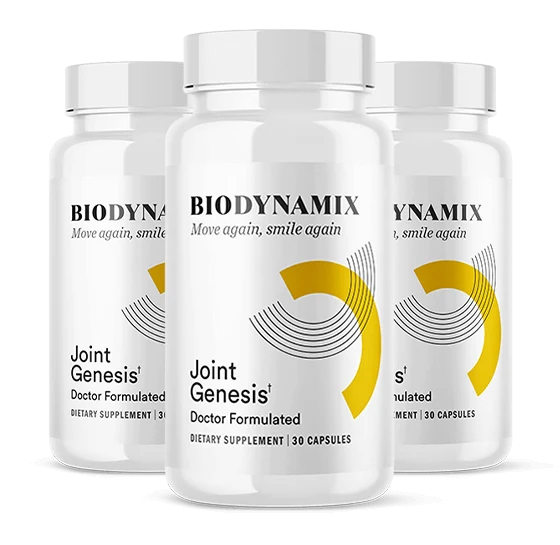
Introducing Joint Genesis: An Advanced Solution for Joint Health
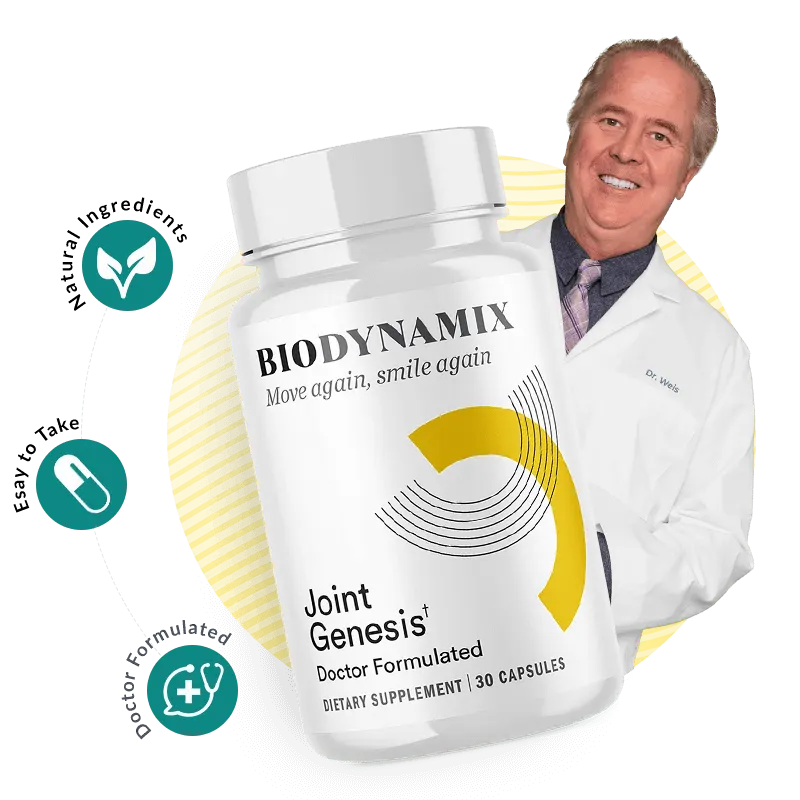
For those seeking a more comprehensive approach to joint health, moving beyond just glucosamine and chondroitin, Joint Genesis offers an advanced formula designed to address multiple facets of joint degeneration. It's formulated by Prodentim, a company known for its commitment to science-backed natural health solutions.
Joint Genesis focuses on supporting the critical role of synovial fluid, the viscous liquid that cushions and lubricates your joints. As we age, the integrity and volume of synovial fluid can diminish, leading to increased friction, pain, and cartilage wear. Joint Genesis aims to combat this by including a unique, patented ingredient called Mobilee®, a highly concentrated hyaluronic acid extract. Hyaluronic acid is a key component of synovial fluid, responsible for its lubricating and shock-absorbing properties. By replenishing and supporting healthy synovial fluid, Joint Genesis seeks to restore youthful joint function, reduce discomfort, and protect cartilage from daily wear and tear.
Beyond Mobilee®, Joint Genesis incorporates a blend of natural ingredients known for their anti-inflammatory and antioxidant properties, working synergistically to enhance the overall joint environment. This multi-ingredient approach acknowledges that joint health is complex and requires support from various angles, from lubrication to inflammation management and cellular protection. It represents a modern understanding of joint care, moving towards formulas that address the root causes of age-related joint decline.
The Science Behind Joint Genesis: Key Ingredients
Joint Genesis stands out with its carefully selected blend of ingredients, each playing a specific role in promoting joint comfort and mobility. Here's a closer look at some of its core components:
Boswellia Serrata Extract
A powerful anti-inflammatory herb traditionally used in Ayurvedic medicine. Its active compounds, boswellic acids, help inhibit pro-inflammatory enzymes, significantly reducing joint pain and stiffness, and improving physical function.
Dose: Typically 100-250mg per serving
Ginger Root Extract
Renowned for its potent anti-inflammatory and antioxidant properties. Gingerols in ginger can help reduce inflammation and pain in joints, similar to how NSAIDs work but with a natural approach, contributing to overall joint comfort and flexibility.
Dose: Typically 50-100mg per serving
Bioperine® (Black Pepper Extract)
This patented extract of black pepper significantly enhances the bioavailability and absorption of other nutrients. By improving the body's ability to utilize the other active ingredients in Joint Genesis, Bioperine® ensures maximum efficacy and benefits.
Dose: Typically 5-10mg per serving
Mobilee® (Hyaluronic Acid Extract)
A patented, highly concentrated hyaluronic acid matrix extract. Mobilee® helps restore the viscosity and elasticity of synovial fluid, promoting better joint lubrication and cushioning. This directly translates to smoother movement and reduced friction within the joint, combating age-related fluid depletion.
Dose: Typically 40-80mg per serving
French Maritime Pine Bark Extract
Rich in powerful antioxidants called proanthocyanidins. This extract helps protect joint tissues from oxidative stress and inflammation, supporting overall joint integrity and promoting healthy cellular function within cartilage.
Dose: Typically 50-100mg per serving
MSM (Methylsulfonylmethane)
A natural sulfur compound that contributes to the health of connective tissues, including cartilage. MSM helps reduce inflammation, alleviate pain, and improve physical function, often working synergistically with other joint compounds.
Dose: Typically 500-1500mg per serving
Experience the Joint Genesis Difference
Don't let joint pain dictate your life any longer. Joint Genesis offers a cutting-edge approach to joint health, targeting the root causes of discomfort and degeneration with a powerful, all-natural formula.
- ✓ Replenishes Synovial Fluid for Optimal Lubrication
- ✓ Reduces Inflammation and Soothes Joint Pain
- ✓ Supports Cartilage Health and Prevents Degradation
- ✓ Enhances Mobility and Flexibility Naturally
- ✓ Made with Clinically Studied, All-Natural Ingredients




What Our Customers Are Saying About Joint Genesis
"I've tried numerous joint supplements over the years, and nothing has come close to Joint Genesis. My knee pain has significantly decreased, and I can now enjoy my morning walks without discomfort. It's truly a game-changer!"
"After years of stiffness in my hands and hips, I decided to give Joint Genesis a try. Within a few weeks, I felt a remarkable improvement in my flexibility. It's like my joints are lubricated again. Highly recommend!"
"My doctor recommended a joint supplement, and after some research, I chose Joint Genesis. The results have been fantastic. Less crackling, less pain, and I'm back to gardening with ease. Plus, the natural ingredients give me peace of mind."
Conclusion: Making an Informed Choice for Your Joint Health
The journey to alleviating joint pain and preserving joint health is a personal one, often requiring a combination of strategies. Glucosamine and chondroitin have long been considered foundational supplements, offering a natural approach to supporting cartilage and reducing discomfort for many individuals with osteoarthritis.
While the scientific literature presents a nuanced view of their efficacy, with some studies showing significant benefits for specific populations, particularly those with mild to moderate OA, their generally excellent safety profile makes them a worthwhile consideration. They work by providing the building blocks for cartilage repair, enhancing joint lubrication, and offering mild anti-inflammatory effects. However, it's crucial to choose high-quality supplements and consult with a healthcare professional to ensure they are appropriate for your individual health status and to avoid potential drug interactions.
For those seeking to go beyond the traditional glucosamine and chondroitin approach, advanced formulations like Joint Genesis offer a comprehensive solution. By focusing on critical aspects like synovial fluid replenishment with patented ingredients like Mobilee®, and incorporating powerful anti-inflammatory and antioxidant compounds such as Boswellia Serrata, Ginger Root, and French Maritime Pine Bark, Joint Genesis provides a multi-faceted attack on joint degeneration. This holistic strategy aims to not only alleviate symptoms but also to support the underlying mechanisms of healthy joint function, promoting long-term comfort and mobility. Ultimately, the best path forward involves informed choices, a commitment to a healthy lifestyle, and personalized guidance from your healthcare provider to find the solution that truly works for you.
Frequently Asked Questions
How long does it take for glucosamine and chondroitin to work?
+Results vary, but many individuals report noticing improvements in joint comfort and mobility after 4-12 weeks of consistent use. It's important to take these supplements regularly as directed, as their effects build up over time.
Are there any side effects of taking glucosamine and chondroitin?
+Glucosamine and chondroitin are generally well-tolerated. Potential side effects are usually mild and may include digestive upset, nausea, heartburn, or diarrhea. Individuals with shellfish allergies should be cautious with glucosamine derived from shellfish, though synthetic options exist. Always consult your doctor before starting any new supplement.
Can I take glucosamine and chondroitin with other medications?
+There can be potential interactions. Glucosamine may interact with blood thinners like warfarin, increasing the risk of bleeding. Chondroitin can also have anticoagulant effects. If you are on any medication, especially blood thinners or diabetes medications, it is crucial to consult your healthcare provider before taking these supplements.
What is the difference between glucosamine sulfate and glucosamine hydrochloride?
+Glucosamine sulfate is the most studied form and is generally considered more effective due to its sulfate component, which is important for cartilage synthesis. Glucosamine hydrochloride (HCl) contains more pure glucosamine per gram but lacks the sulfate. Both forms are widely available, but sulfate is often preferred in research settings.
Is Joint Genesis a suitable alternative or complement to glucosamine and chondroitin?
+Joint Genesis is designed as a comprehensive joint health supplement, going beyond just glucosamine and chondroitin. It contains a unique blend of ingredients, including Mobilee® (a patented hyaluronic acid extract), French Maritime Pine Bark, Ginger Root, Boswellia Serrata, and Bioperine®, which work synergistically to support synovial fluid, reduce inflammation, and protect cartilage. For those seeking a multi-faceted approach, it can be a valuable option, often used in conjunction with or as an alternative to traditional G&C supplements, depending on individual needs and doctor's advice.
How does Joint Genesis support overall joint health?
+Joint Genesis targets multiple aspects of joint health. Its key ingredient, Mobilee®, helps replenish synovial fluid, essential for cushioning and lubricating joints. Other ingredients like Ginger Root and Boswellia Serrata provide powerful anti-inflammatory support, while French Maritime Pine Bark offers antioxidant benefits. This synergistic blend aims to reduce discomfort, improve flexibility, and protect against cellular damage, promoting long-term joint integrity.
Related Articles