Tired of Joint Pain Limiting Your Life? What if Your Diet Held the Key?
Living with arthritis, particularly osteoarthritis and other forms of joint degeneration, often means navigating a landscape of persistent pain, stiffness, and reduced mobility. For many, the conventional approach focuses on medication and physical therapy, which are undoubtedly crucial. However, an increasingly recognized and powerful tool lies within our daily choices: the food we eat.
Understanding the profound connection between your diet and joint health is the first step towards a more comfortable future. Chronic inflammation, a key driver of joint pain and damage, can be significantly influenced by what's on your plate. By embracing an anti-inflammatory diet, you can actively work to reduce systemic inflammation, alleviate symptoms, and potentially slow the progression of joint degeneration.
The Unseen Enemy: How Inflammation Fuels Arthritis and Joint Degeneration
Before diving into specific foods, it's essential to understand *why* diet plays such a critical role in managing arthritis. At its core, arthritis, particularly osteoarthritis (OA), is a condition characterized by the breakdown of cartilage and underlying bone in joints. While wear and tear is a factor, chronic low-grade inflammation significantly accelerates this degenerative process.
When your immune system is constantly triggered by inflammatory factors – often stemming from poor dietary choices, stress, or other lifestyle habits – it releases pro-inflammatory cytokines and enzymes. These substances, while necessary for acute injury healing, become destructive when persistently present in the joint environment. They can erode cartilage, irritate nerve endings, and contribute to the swelling, pain, and stiffness that define arthritis.
Think of your joints as a finely tuned machine. When inflammation is rampant, it's like sand in the gears, causing friction, damage, and eventual breakdown. By consciously choosing anti-inflammatory foods, you're not just masking symptoms; you're actively working to remove that "sand" and create an environment where your joints can heal, function better, and experience less pain. This dietary strategy supports the body's natural healing mechanisms and provides the building blocks for healthy joint tissue.
💡 Key Takeaway
Chronic inflammation is a primary driver of arthritis pain and joint degeneration. An anti-inflammatory diet is a powerful, natural tool to combat this inflammation, protecting cartilage and alleviating symptoms.
The Foundation: Building Your Anti-Inflammatory Food Arsenal
Adopting an anti-inflammatory diet doesn't mean bland, restrictive eating. Instead, it's about embracing a vibrant array of nutrient-dense foods that actively work to calm inflammation. Here's a comprehensive list of foods you should prioritize to support your joints and overall health.
Omega-3 Rich Fatty Fish
What to eat: Salmon, mackerel, sardines, herring, anchovies, trout. Aim for at least two 3-4 ounce servings per week. These are some of the best sources of eicosapentaenoic acid (EPA) and docosahexaenoic acid (DHA), powerful Omega-3 fatty acids.
Why it helps: EPA and DHA are potent anti-inflammatory agents. They work by reducing the production of inflammatory chemicals (like prostaglandins and leukotrienes) and improving the balance of fatty acids in your body. Regular consumption can significantly decrease joint tenderness and stiffness associated with arthritis.
Leafy Green Vegetables
What to eat: Spinach, kale, collard greens, Swiss chard, arugula, romaine lettuce. Incorporate a large serving into at least two meals daily. These vibrant greens are nutritional powerhouses.
Why it helps: Rich in antioxidants (like carotenoids and flavonoids), vitamins K and C, and minerals, leafy greens help protect cells from damage caused by free radicals, which contribute to inflammation. Vitamin K is particularly important for bone and cartilage health, while Vitamin C supports collagen formation, a key component of joint tissue.
Berries
What to eat: Blueberries, strawberries, raspberries, blackberries, cherries. Enjoy a handful daily as a snack or added to meals. These small fruits are bursting with flavor and potent compounds.
Why it helps: Berries are loaded with anthocyanins and other polyphenols, which are powerful antioxidants that give them their rich colors. These compounds have demonstrated strong anti-inflammatory effects, helping to reduce pain and swelling in arthritic joints. Cherries, in particular, are known for their ability to lower uric acid levels, which can benefit those with gout.
Nuts and Seeds
What to eat: Walnuts, almonds, chia seeds, flaxseeds, pumpkin seeds. A small handful (1-2 ounces) daily is a great addition to your diet. Opt for raw, unsalted varieties.
Why it helps: Many nuts and seeds are excellent sources of plant-based Omega-3 fatty acids (ALA), fiber, and protein. Walnuts are particularly high in ALA. Flaxseeds and chia seeds are also fantastic sources of ALA. Additionally, they provide magnesium and Vitamin E, which are important for muscle function and antioxidant defense, further supporting joint health.
Extra Virgin Olive Oil
What to use: High-quality extra virgin olive oil (EVOO). Use it for dressings, drizzling, and low-heat cooking. It's a cornerstone of the Mediterranean diet, renowned for its health benefits.
Why it helps: EVOO is rich in monounsaturated fats and contains a compound called oleocanthal, which acts similarly to ibuprofen in reducing inflammation. Its powerful antioxidants also protect joint tissues from oxidative damage. Choosing high-quality EVOO is essential to reap its full therapeutic benefits.
Herbs and Spices
What to use: Turmeric, ginger, garlic, cinnamon, rosemary, oregano. Incorporate these liberally into your cooking. They add flavor and a potent anti-inflammatory punch.
Why it helps: These culinary staples are celebrated for their medicinal properties. Curcumin, the active compound in turmeric, is a powerful anti-inflammatory and antioxidant. Ginger has similar properties, often used to soothe digestive issues and reduce muscle pain. Garlic contains sulfur compounds that help inhibit pro-inflammatory enzymes. These spices can be a delicious way to naturally reduce inflammation in your body.
Whole Grains
What to eat: Oats, quinoa, brown rice, whole wheat bread/pasta (in moderation), barley, farro. Opt for truly whole grains over refined versions. These provide sustained energy and essential nutrients.
Why it helps: Whole grains are rich in fiber, which can help lower levels of C-reactive protein (CRP), a marker of inflammation in the blood. They also provide B vitamins and minerals important for overall metabolic health. However, portion control is key, as excessive grain intake can sometimes be counterproductive for some individuals.
Legumes
What to eat: Black beans, chickpeas, lentils, kidney beans. Incorporate these versatile foods into soups, salads, stews, or as a side dish. They are an excellent plant-based protein source.
Why it helps: Legumes are packed with fiber, plant-based protein, and various antioxidants and minerals (like folate and magnesium). Their high fiber content aids gut health, which is increasingly linked to systemic inflammation. By supporting a healthy gut microbiome, legumes can indirectly help reduce inflammatory responses throughout the body, including in the joints.
Foods to Limit or Avoid: The Pro-Inflammatory Culprits
Just as certain foods can reduce inflammation, others can actively promote it, exacerbating arthritis symptoms. Minimizing or eliminating these items is just as crucial as adding anti-inflammatory ones.
1. Processed Foods: These typically contain high amounts of unhealthy fats, sugars, and sodium, all of which contribute to systemic inflammation. Examples include fast food, pre-packaged meals, and many snack foods. The additives and preservatives in these foods can also trigger inflammatory responses in sensitive individuals.
2. Sugary Drinks and Added Sugars: Sodas, fruit juices (with added sugar), and sweets are major sources of added sugars. High sugar intake leads to the production of advanced glycation end products (AGEs), which are known to promote inflammation and oxidative stress, directly impacting joint health and contributing to cartilage damage. Reducing sugar intake is one of the most impactful dietary changes you can make for arthritis.
3. Refined Carbohydrates: White bread, white rice, pasta, and pastries are quickly broken down into sugar in the body, leading to similar inflammatory effects as added sugars. They lack the fiber and nutrients found in whole grains, making them less beneficial for overall health and more likely to contribute to inflammatory spikes.
4. Excessive Red and Processed Meats: While lean protein is important, some studies suggest that high consumption of red meat, and especially processed meats like bacon, sausage, and deli meats, can increase inflammatory markers. These meats contain compounds like saturated fats and AGEs that may contribute to chronic inflammation. Opt for leaner protein sources like poultry, fish, and plant-based options.
5. Unhealthy Fats: Trans fats (found in partially hydrogenated oils, often in fried foods, baked goods, and some margarines) and excessive saturated fats (found in fatty meats, full-fat dairy, and some processed snacks) are highly pro-inflammatory. Replacing these with healthy fats like those in olive oil, avocados, and nuts is essential for reducing inflammation. The balance of Omega-3 to Omega-6 fatty acids is also important; while Omega-6 is essential, excessive intake from vegetable oils (corn, soy, sunflower) can be pro-inflammatory.
Practical Tips for Integrating an Anti-Inflammatory Diet
Making dietary changes can seem daunting, but even small, consistent steps can yield significant benefits. Here’s how to effectively weave anti-inflammatory foods into your daily routine:
Start Small and Be Consistent
Don't overhaul your entire diet overnight. Begin by incorporating one new anti-inflammatory food each week or by replacing one pro-inflammatory item. For instance, swap your sugary breakfast cereal for oatmeal with berries and flaxseeds. Consistency is more important than perfection.
Plan Your Meals and Snacks
Meal prepping can be a game-changer. Dedicate time each week to plan your meals and shop accordingly. Having healthy options readily available reduces the temptation to reach for processed or inflammatory foods when hunger strikes. Prepare a batch of roasted vegetables or a quinoa salad for quick additions to meals.
Experiment with New Recipes
Explore cookbooks or online resources for anti-inflammatory recipes. You'll be surprised by the variety and deliciousness of meals you can create using whole, unprocessed ingredients. Try new spices and cooking methods to keep things interesting and prevent dietary fatigue.
Hydrate Adequately
While not a food, proper hydration is crucial for joint health. Water helps maintain the volume of synovial fluid, which lubricates your joints and transports nutrients to cartilage. Aim for at least 8 glasses of water daily. Herbal teas can also contribute to your fluid intake and offer additional anti-inflammatory benefits.
Read Food Labels Carefully
Become a savvy shopper. Pay attention to ingredient lists, especially for hidden sugars, unhealthy fats (like partially hydrogenated oils), and artificial additives. Opt for foods with minimal ingredients, preferably those you recognize.
Beyond Diet: A Holistic Approach to Joint Health
While diet is a cornerstone, achieving optimal joint health and managing arthritis effectively requires a multifaceted approach. Integrating other healthy lifestyle habits can amplify the benefits of your anti-inflammatory diet and provide comprehensive support for your joints.
Regular, Low-Impact Exercise
Engaging in regular physical activity is vital for joint health. Low-impact exercises like swimming, cycling, walking, and yoga strengthen the muscles around your joints, improving stability and reducing stress on cartilage. Exercise also helps maintain a healthy weight, which significantly reduces the load on weight-bearing joints like knees and hips. It also promotes the circulation of synovial fluid, essential for joint lubrication and nutrient delivery.
Weight Management
Excess body weight places immense pressure on your joints, particularly the knees, hips, and spine, accelerating cartilage wear and tear. Losing even a small amount of weight can significantly reduce pain and improve joint function. Furthermore, adipose (fat) tissue is metabolically active and produces pro-inflammatory chemicals, so maintaining a healthy weight can directly reduce systemic inflammation. This is where an anti-inflammatory diet works synergistically, aiding in healthy weight loss.
Stress Reduction Techniques
Chronic stress can trigger and exacerbate inflammatory responses in the body. Practices such as meditation, deep breathing exercises, mindfulness, and spending time in nature can help manage stress levels. By reducing stress, you can potentially lower systemic inflammation and improve your body's ability to cope with pain and discomfort associated with arthritis. Finding healthy outlets for stress is crucial for overall well-being and joint health.
Adequate Sleep
Sleep is when your body repairs and regenerates itself. Insufficient or poor-quality sleep can increase inflammation and heighten pain sensitivity. Aim for 7-9 hours of quality sleep per night. Establishing a consistent sleep schedule and creating a conducive sleep environment can significantly improve your body's ability to manage inflammation and recover from daily wear and tear. This restorative process is vital for joint tissue repair.
For those exploring additional support, understanding how a hyaluronic acid supplement like Mobilee® can aid joint lubrication is crucial. While dietary changes are foundational, many also consider supplements. You might be interested in comparing Joint Genesis against traditional options like glucosamine and chondroitin. Another popular ingredient often discussed for joint support is MSM, a sulfur compound with potential anti-inflammatory properties.
Key Ingredients in Joint Genesis for Advanced Joint Support
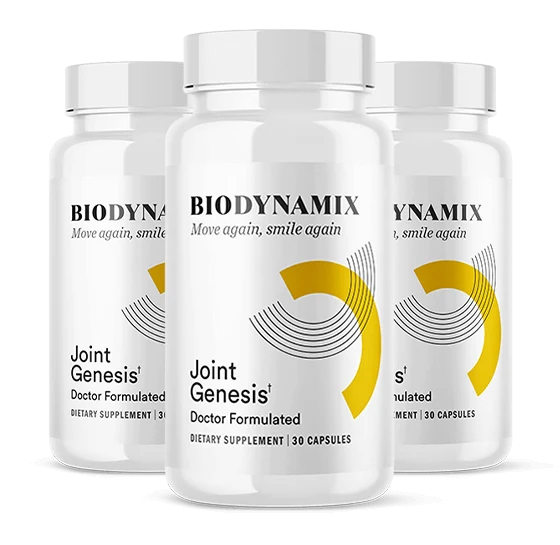
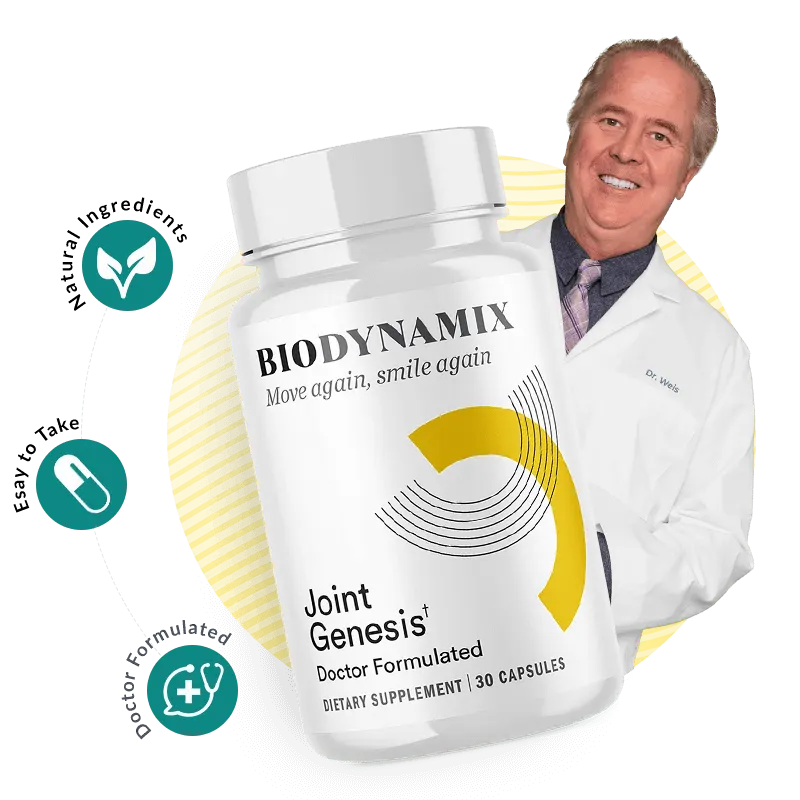
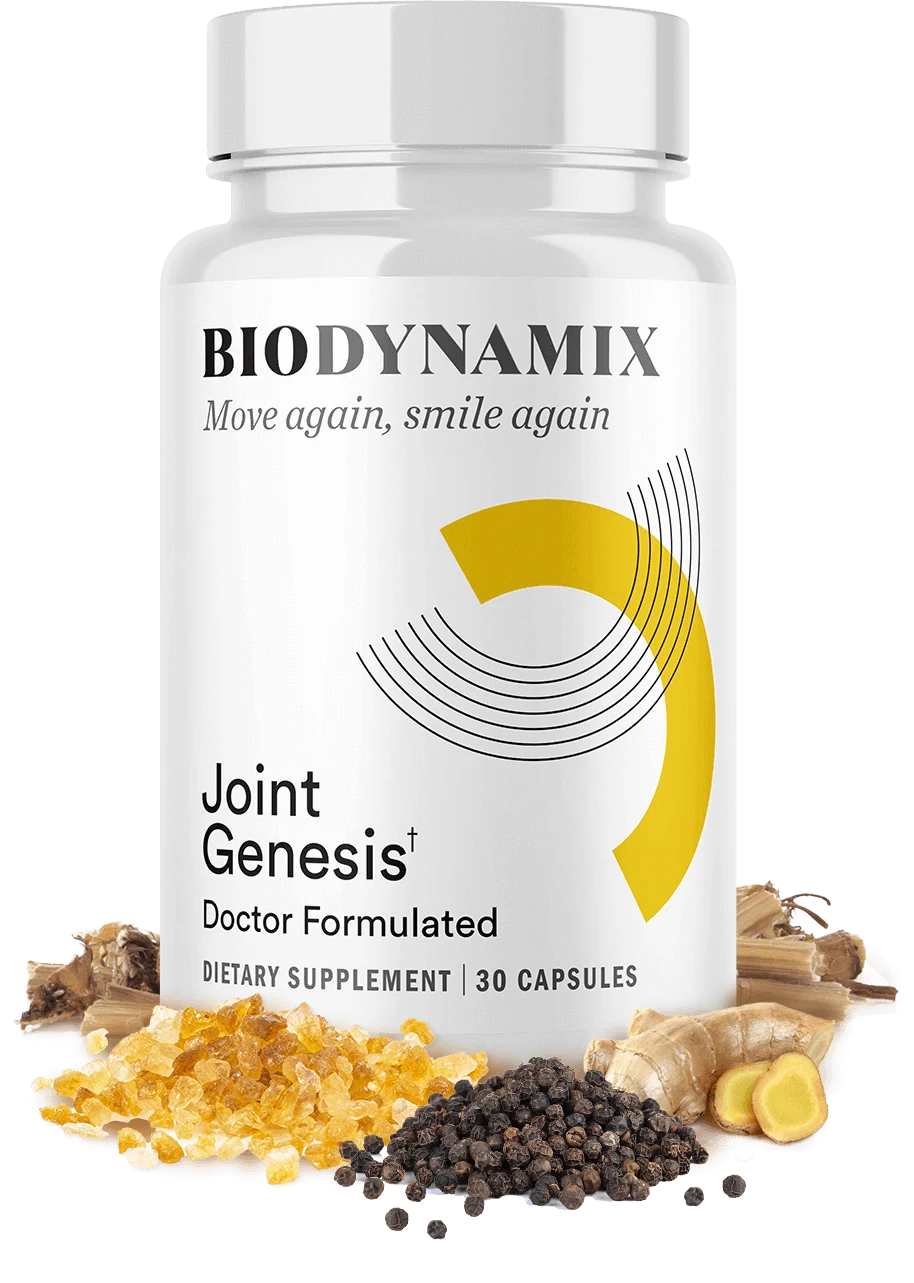
While a diet rich in anti-inflammatory foods is paramount, certain natural compounds can offer additional, targeted support for joint health. Joint Genesis is formulated with a unique blend of ingredients specifically chosen for their ability to promote healthy synovial fluid, protect cartilage, and combat inflammation.
Mobilee® (Hyaluronic Acid Matrix)
Role: This patented ingredient is a powerful blend of hyaluronic acid, collagen, and polysaccharides. Hyaluronic acid is a primary component of synovial fluid, the lubricating gel that cushions and nourishes your joints. Mobilee® is clinically shown to significantly increase hyaluronic acid production in the joints, improving lubrication, reducing friction, and supporting cartilage health. This leads to enhanced joint comfort and mobility.
Ginger Root
Role: Ginger has been used for centuries in traditional medicine for its potent anti-inflammatory and pain-relieving properties. Its active compounds, gingerols, help inhibit the production of inflammatory molecules in the body, similar to how some NSAIDs work, but without the associated side effects. It can help reduce joint pain, stiffness, and swelling, contributing to greater comfort and flexibility.
Boswellia Serrata Extract
Role: Derived from the frankincense tree, Boswellia serrata contains boswellic acids, which are powerful anti-inflammatory compounds. These acids specifically target a pro-inflammatory enzyme called 5-lipoxygenase (5-LOX), helping to reduce inflammation, pain, and improve physical function in individuals with osteoarthritis. It has a long history of use in Ayurvedic medicine for joint conditions.
Pine Bark Extract (Pycnogenol)
Role: A potent antioxidant, Pycnogenol is rich in procyanidins, catechins, and phenolic acids. It helps protect joint tissues from oxidative stress and reduces inflammation by modulating inflammatory pathways. Studies suggest it can improve joint function, reduce pain, and decrease stiffness in osteoarthritis patients by supporting the integrity of collagen and elastin.
Bioperine® (Black Pepper Extract)
Role: While not directly targeting joint health, Bioperine® plays a crucial supporting role. It significantly enhances the bioavailability and absorption of other beneficial compounds, like curcumin from turmeric (if present in other supplements) and other ingredients in Joint Genesis. This ensures that your body can effectively utilize the active ingredients, maximizing their therapeutic potential for joint support and inflammation reduction.
By combining these scientifically-backed ingredients, Joint Genesis offers a synergistic approach to supporting joint health, working hand-in-hand with your commitment to an anti-inflammatory diet and healthy lifestyle.
Ready to Experience Greater Joint Comfort and Mobility?
Take the next step in your journey towards improved joint health. Joint Genesis offers a cutting-edge formula designed to complement your anti-inflammatory diet and active lifestyle. Don't let joint pain hold you back any longer.
- ✓ Supports Healthy Synovial Fluid
- ✓ Promotes Cartilage Protection
- ✓ Helps Reduce Joint Discomfort
- ✓ Made with Clinically Studied Ingredients
- ✓ Manufactured in a GMP-Certified Facility




Hear From Our Satisfied Customers
"I've struggled with knee pain for years, and while diet helped, adding Joint Genesis truly made a difference. My morning stiffness is almost gone, and I can enjoy my walks again!"
"As a former athlete, my joints have taken a beating. I started an anti-inflammatory diet and then incorporated Joint Genesis. The relief is noticeable; my flexibility has improved, and the aches are much less frequent."
"I was skeptical at first, but after a few months of combining healthy eating with Joint Genesis, my hand arthritis feels so much better. I can knit again without constant discomfort. Highly recommend!"
Frequently Asked Questions
What is the primary role of an anti-inflammatory diet for arthritis?
+The primary role of an anti-inflammatory diet is to reduce systemic inflammation in the body, which is a major contributor to the pain and progression of conditions like osteoarthritis and joint degeneration. By consistently consuming foods rich in antioxidants and anti-inflammatory compounds, you can help alleviate symptoms, protect joint tissues, and potentially slow down disease progression.
Which foods should I prioritize for reducing joint inflammation?
+Prioritize foods rich in Omega-3 fatty acids (like salmon, flaxseeds), colorful fruits and vegetables (berries, leafy greens), healthy fats (extra virgin olive oil, avocados), and powerful herbs and spices (turmeric, ginger). These foods are packed with compounds that actively combat inflammatory pathways in the body.
Are there specific foods I should avoid if I have arthritis?
+Yes, to minimize inflammation, it's generally recommended to limit or avoid highly processed foods, sugary drinks, refined carbohydrates (white bread, pasta), excessive red and processed meats, and unhealthy fats (trans fats, excessive saturated fats). These items can trigger or worsen inflammatory responses.
How long does it take to see benefits from an anti-inflammatory diet?
+The timeline for seeing benefits can vary greatly among individuals. Some people may notice improvements in pain and stiffness within a few weeks, while for others, it might take a few months of consistent dietary changes to experience significant relief. Consistency is key, and combining diet with other healthy lifestyle choices often accelerates results.
Can an anti-inflammatory diet replace arthritis medication?
+An anti-inflammatory diet is a powerful complementary strategy for managing arthritis symptoms and supporting joint health, but it should not replace prescribed medications without consulting your doctor. Always discuss any dietary changes or supplement use with your healthcare provider, especially if you are on medication for arthritis or other conditions.
How does Joint Genesis complement an anti-inflammatory diet?
+Joint Genesis is formulated with ingredients like Mobilee® (a hyaluronic acid matrix), ginger, and Boswellia serrata, which are known for their joint-supportive and anti-inflammatory properties. While an anti-inflammatory diet provides foundational nutrient support, Joint Genesis can offer targeted nourishment to help replenish synovial fluid, support cartilage integrity, and further reduce inflammation, working synergistically with your dietary efforts.
Related Articles