Is Your Desk Job Silently Damaging Your Joints?
In our increasingly sedentary world, many of us spend countless hours hunched over desks, staring at screens. While this modern work environment offers convenience, it often comes at a steep cost to our physical well-being, particularly our joint health. Poor desk posture isn't just about a temporary crick in the neck; over time, it can contribute significantly to chronic pain, stiffness, and even accelerate conditions like osteoarthritis and joint degeneration.
Understanding and implementing proper ergonomic principles is not merely a recommendation; it's a critical investment in your long-term health. By making conscious adjustments to your workstation and daily habits, you can mitigate the risks associated with prolonged sitting and empower your body to maintain its natural mobility and resilience. This comprehensive guide, reviewed by Dr. Barbara Allen, M.D., Board-Certified Rheumatologist, will provide you with the knowledge and actionable steps to transform your workspace into a haven for joint health, preventing the silent progression of damage and fostering a life free from unnecessary discomfort. A proactive approach to your ergonomic desk posture is key to safeguarding your joints for years to come.

The Silent Threat: How Sedentary Work Impacts Your Joints
For many, a desk job means hours of stillness, a stark contrast to the dynamic movement our bodies are designed for. This prolonged inactivity, coupled with suboptimal posture, creates a cascade of negative effects on our musculoskeletal system, significantly increasing the risk of conditions like osteoarthritis and joint degeneration.
When you sit for extended periods, especially with poor posture, several detrimental processes begin. Your muscles, particularly those in your core and back, weaken from lack of use, losing their ability to support your spine and joints effectively. This leads to increased strain on ligaments and tendons, which are not designed to bear constant, static loads. The natural curves of your spine can become exaggerated or flattened, placing uneven pressure on the vertebral discs and facet joints. Over time, this chronic stress can accelerate the breakdown of cartilage, the smooth, protective tissue that cushions your joints, leading to the pain, stiffness, and reduced mobility characteristic of osteoarthritis.
Beyond the direct mechanical stress, prolonged sitting also reduces circulation. Joints rely on movement to pump synovial fluid – their natural lubricant and nutrient delivery system – throughout the joint capsule. Without adequate movement, this fluid becomes stagnant, depriving cartilage of essential nutrients and waste removal. This can lead to the thinning and degradation of cartilage, making joints more susceptible to damage from even minor stresses. Furthermore, muscles can shorten and tighten, creating muscular imbalances that pull joints out of alignment and exacerbate discomfort. Understanding these underlying mechanisms is the first step toward implementing preventative measures and reclaiming your joint health.
💡 Key Takeaway
Prolonged sitting with poor posture weakens supporting muscles, strains ligaments, and hinders synovial fluid circulation, directly contributing to cartilage degradation and accelerating osteoarthritis and joint degeneration.
Identifying and Addressing Common Joint Stress Points at Your Desk
Your body is an intricate network of joints, and a poorly configured desk setup can create havoc across multiple areas. Recognizing the common stress points and understanding how to alleviate pressure is paramount for preventing long-term damage.
The Spine: Your Central Pillar of Support
The spine is often the first casualty of poor desk posture. A slumped or hunched position places immense stress on your neck, upper back, and lower back. This can lead to:
- Neck Pain (Cervical Spine): Often caused by craning your neck forward to look at a monitor that's too low or too far away. This "tech neck" posture can strain neck muscles and lead to headaches and stiffness.
- Upper Back Pain (Thoracic Spine): Hunching over compresses the chest and stretches the upper back muscles, leading to discomfort, rounded shoulders, and potentially breathing issues.
- Lower Back Pain (Lumbar Spine): Sitting without proper lumbar support can flatten the natural curve of your lower back, increasing pressure on discs and causing chronic pain. Crossing your legs or sitting unevenly also contributes to this imbalance.
Upper Extremities: Shoulders, Elbows, and Wrists
Your arms and hands are constantly engaged during desk work, making them vulnerable to repetitive strain injuries and joint issues.
- Shoulder Pain: Reaching for a mouse or keyboard that's too far away, or having armrests that are too high or too low, can cause your shoulders to hunch or elevate, leading to tension and pain.
- Elbow Pain: Resting your elbows on hard surfaces or having them at an awkward angle while typing can compress nerves and irritate tendons, potentially leading to conditions like cubital tunnel syndrome.
- Wrist Pain (Carpal Tunnel Syndrome): Bending your wrists upwards or downwards for extended periods while typing or using a mouse can compress the median nerve in the wrist, causing numbness, tingling, and pain. Ensure your wrists are kept straight and neutral.
Lower Extremities: Hips, Knees, and Ankles
While often overlooked, your lower body also suffers from prolonged, improper seating.
- Hip Pain: Sitting with your hips at an angle less than 90 degrees (e.g., chair too low) can tighten hip flexors and strain the hip joints. Lack of movement also reduces hip mobility.
- Knee Pain: Sitting with knees at an acute angle for too long can restrict blood flow and put pressure on the kneecap. Ensuring your feet are flat on the floor or a footrest helps maintain a healthy knee angle.
- Ankle and Foot Swelling: Prolonged static sitting can lead to reduced circulation in the lower legs, causing swelling and discomfort in the ankles and feet. Regular movement is crucial to counteract this.
By understanding these specific areas, you can strategically adjust your workstation and habits to minimize strain and promote overall joint well-being. A holistic approach that considers the entire body's alignment is essential for truly ergonomic desk posture.
💡 Key Takeaway
Poor desk posture creates specific stress points in the neck, back, shoulders, elbows, wrists, hips, and knees. Addressing these through proper setup and awareness is vital to prevent chronic pain and progressive joint damage.
Building Your Ergonomic Sanctuary: The Ideal Desk Setup
Transforming your workspace into an ergonomic sanctuary doesn't require a complete overhaul, but rather thoughtful adjustments to your existing equipment and habits. The goal is to create a setup that supports your body's natural alignment, minimizing strain and maximizing comfort.
The Chair: Your Foundation
Invest in an ergonomic chair with adjustable height, backrest, and armrests. Your feet should be flat on the floor or a footrest, with knees forming a 90-degree angle. Ensure your lower back is supported by the chair's lumbar curve, or add a cushion. The seat pan should allow a two-finger gap between the edge and the back of your knees.
Monitor Placement: Eye-Level Comfort
Position your monitor directly in front of you, about an arm's length away. The top of the screen should be at or slightly below eye level. This prevents neck strain from looking up or down too much. If you use multiple monitors, arrange them close together to avoid excessive head turning.
Keyboard and Mouse: Neutral Zone
Place your keyboard directly in front of you, close enough so your elbows are at a 90-100 degree angle, close to your body. Your wrists should remain straight and neutral, not bent up or down. The mouse should be right next to the keyboard, allowing you to use it without reaching or twisting your shoulder. Consider an ergonomic keyboard or vertical mouse if you experience discomfort.
Desk Height: The Right Level
Your desk height should allow your forearms to be parallel to the floor when typing, with your shoulders relaxed. If your desk isn't adjustable, use a chair that allows you to achieve this position, and a footrest if your feet no longer touch the floor. Standing desks are an excellent option for incorporating movement throughout the day.
Lighting and Glare: Eye Health
Ensure your workspace is well-lit to reduce eye strain, but avoid direct glare on your screen. Position your monitor to minimize reflections from windows or overhead lights. Proper lighting indirectly supports posture by preventing you from craning your neck to see better.
Regular Movement: The Antidote to Stillness
Even with a perfect ergonomic setup, prolonged static posture is detrimental. Take short breaks every 30-60 minutes to stand, stretch, and walk around. Incorporate micro-movements while sitting, such as ankle circles or gentle neck turns. This promotes circulation and reduces muscle stiffness.
The Power of Movement: Beyond the Ergonomic Setup
While an optimally configured desk is crucial, it's only half the battle. The human body is designed for movement, and even the best ergonomic chair cannot negate the detrimental effects of prolonged stillness. Integrating regular movement and strategic stretching into your workday is just as vital as your posture.
Think of movement as a lubricant for your joints. Every time you move, you encourage the flow of synovial fluid, which nourishes your cartilage and removes waste products. Without this dynamic exchange, cartilage can become stiff and dry, accelerating wear and tear. Aim for a "movement snack" every 30 to 60 minutes. This doesn't mean a full workout; even a 2-5 minute break can make a significant difference. Stand up, walk to the water cooler, do a few squats, or perform some simple stretches.
Specific stretches can target areas prone to stiffness from desk work. For your neck, perform gentle tilts and rotations. For your shoulders, try shoulder rolls and arm circles. Open up your chest with doorframe stretches to counteract hunching. For your lower back and hips, gentle twists and hip flexor stretches are beneficial. Even simple ankle circles and calf raises can improve circulation in your lower extremities. Consider setting a timer or using an app that reminds you to move. Incorporating a standing desk, even for part of the day, can also provide a dynamic alternative to continuous sitting, helping to engage different muscle groups and improve circulation. Remember, consistency is key; small, frequent movements throughout the day are far more effective than one long workout after hours when it comes to combating the effects of prolonged sitting.
Lifestyle Factors for Optimal Joint Resilience
Ergonomics and movement are foundational, but true joint resilience is built upon a holistic approach that includes diet, hydration, regular exercise, and maintaining a healthy weight. These lifestyle factors work synergistically to support joint health from the inside out.
Nutrient-Rich Diet
Your diet plays a profound role in joint health. An anti-inflammatory diet, rich in fruits, vegetables, lean proteins, and healthy fats, can significantly reduce systemic inflammation that contributes to joint pain and degeneration. Foods high in omega-3 fatty acids (like salmon, flaxseeds), antioxidants (berries, leafy greens), and vitamins (C, D, K) are particularly beneficial. Limiting processed foods, excessive sugar, and unhealthy fats can help manage inflammation. To learn more about specific foods that can help manage inflammation, consider reading our article on anti-inflammatory foods for arthritis.
Adequate Hydration
Water is essential for every cell in your body, including those in your joints. Synovial fluid, the lubricant that reduces friction in your joints and nourishes cartilage, is primarily water. Dehydration can lead to thicker, less effective synovial fluid, making cartilage more susceptible to damage. Aim to drink plenty of water throughout the day, especially if you're active or in a dry environment.
Regular Exercise
Beyond simple movement breaks, a consistent exercise routine strengthens the muscles surrounding your joints, providing better support and stability. Low-impact activities like swimming, cycling, walking, and yoga are excellent choices as they build strength and flexibility without excessive stress on the joints. Strength training is also vital for maintaining muscle mass, which protects joints and improves overall mobility.
Weight Management
Excess body weight places significant additional stress on weight-bearing joints, particularly the knees, hips, and spine. Even a modest reduction in weight can dramatically decrease the load on these joints, slowing the progression of osteoarthritis and alleviating pain. Maintaining a healthy weight through diet and exercise is one of the most impactful strategies for long-term joint health.
Nutritional Support for Joint Resilience: A Complementary Approach
While external factors like ergonomics and movement are vital, supporting your joints from within through targeted nutrition can offer an additional layer of protection and comfort. As we age, or due to prolonged strain, the natural mechanisms that keep our joints supple can become less efficient. This is where scientifically-backed supplements can play a supportive role, working in harmony with your lifestyle choices.
Joints, especially cartilage and synovial fluid, require specific nutrients to maintain their structure and function. For instance, hyaluronic acid is a key component of synovial fluid, responsible for its viscosity and lubricating properties. Other ingredients, such as certain plant extracts, are recognized for their anti-inflammatory properties, which can help manage discomfort associated with joint stress. When considering supplements, it’s important to look for formulations that address multiple aspects of joint health, from lubrication to inflammation management and cartilage support.
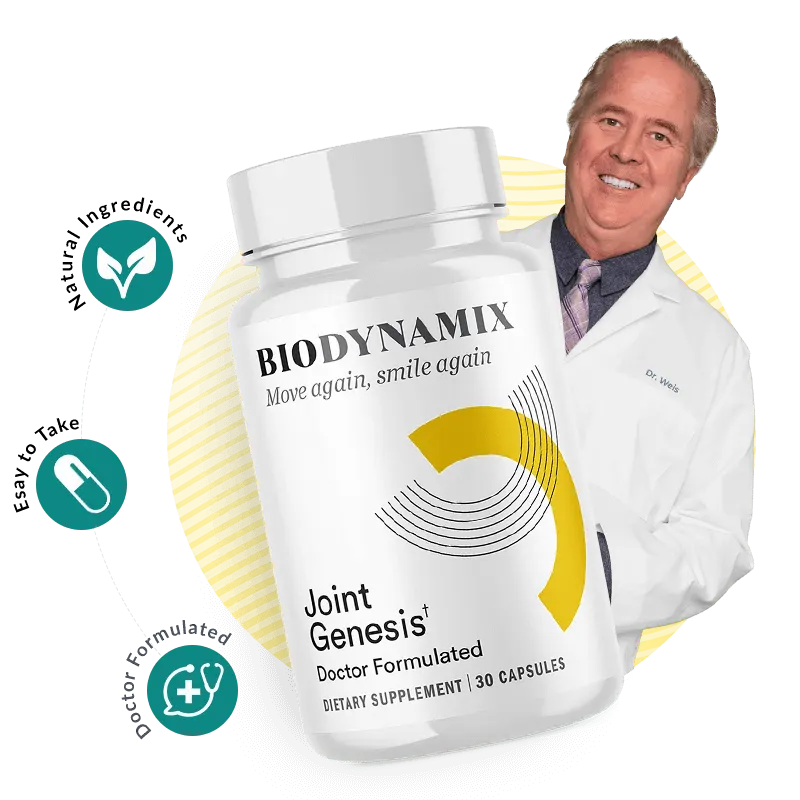
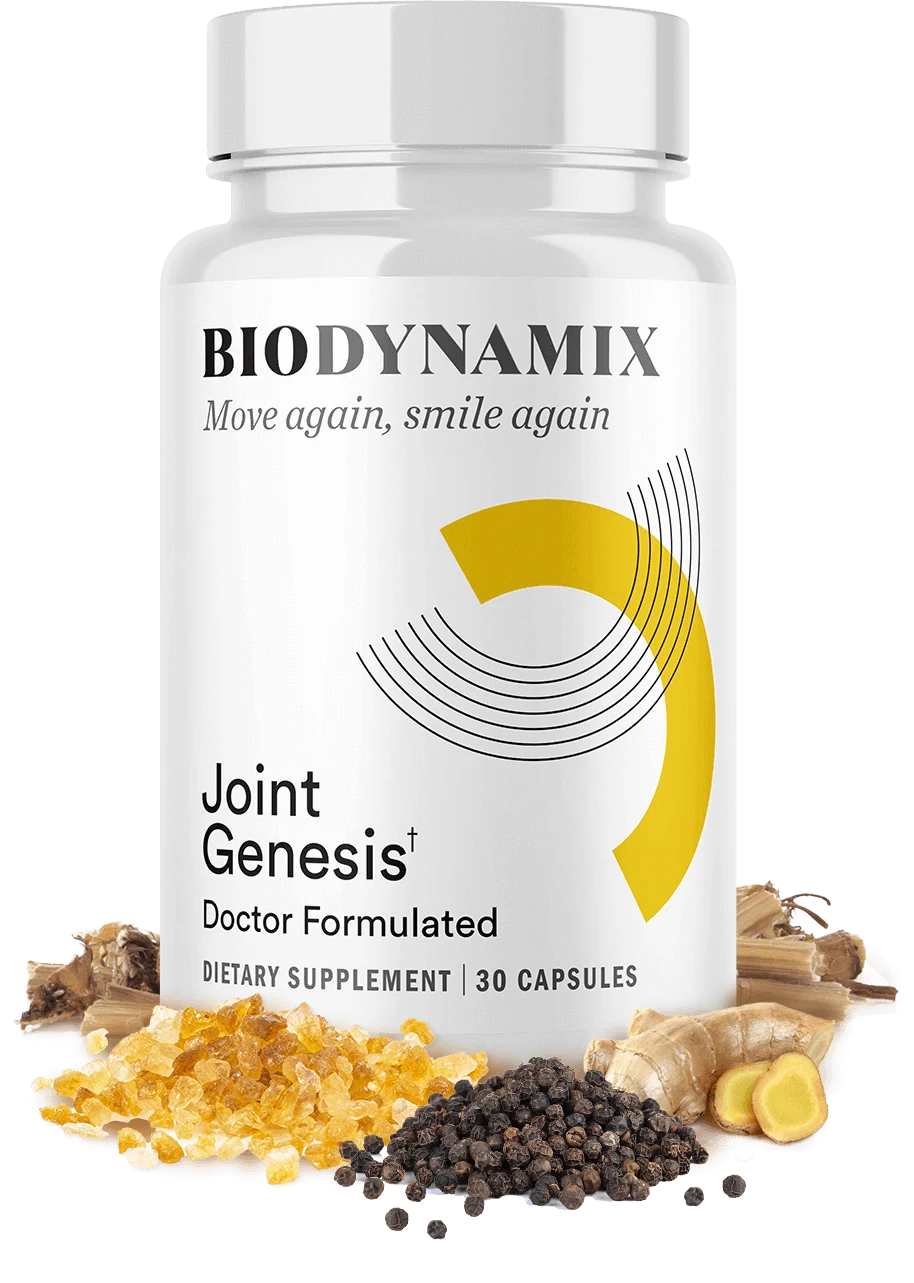
Joint Genesis is one such supplement designed to address these needs by providing a blend of ingredients aimed at supporting healthy synovial fluid and cartilage. It can be a beneficial addition to your daily regimen, especially if you spend long hours at a desk or are experiencing early signs of joint discomfort. For a comprehensive breakdown of what goes into this formula, you can explore our dedicated page on Joint Genesis ingredients.
Key Natural Ingredients Supporting Joint Health
While ergonomic adjustments are fundamental, supplementing your body with targeted nutrients can provide additional support for joint resilience. Joint Genesis is formulated with several powerful ingredients known for their roles in maintaining healthy cartilage and synovial fluid.
Mobilee® (Hyaluronic Acid)
Role: A patented, naturally derived ingredient rich in hyaluronic acid, collagen, and polysaccharides. It's clinically shown to nourish and lubricate the synovial fluid, enhancing joint cushioning and mobility.
Typically 80mg dailyBoswellia Serrata Extract
Role: An ancient herbal extract celebrated for its powerful anti-inflammatory properties. It helps to soothe joint discomfort and support the body's natural healing processes, crucial for maintaining joint comfort.
Standardized for Boswellic AcidsGinger Root
Role: Widely recognized for its potent anti-inflammatory and antioxidant effects. Ginger helps to reduce joint pain and stiffness, promoting a greater range of motion and overall joint well-being.
Concentrated extractPycnogenol® (French Maritime Pine Bark Extract)
Role: A powerful antioxidant that supports healthy blood flow and helps protect collagen and hyaluronic acid from degradation. It assists in maintaining joint structure and reducing oxidative stress.
Standardized extractBioperine® (Black Pepper Extract)
Role: Included for its ability to significantly enhance the bioavailability and absorption of other beneficial compounds. This ensures that your body can effectively utilize the other active ingredients for maximum joint support.
5mg dailyIntegrating Joint Genesis into Your Joint Health Strategy
Adopting superior ergonomic practices and incorporating regular movement into your day are foundational pillars of joint health. However, for many, especially those dealing with the early stages of osteoarthritis or persistent joint discomfort from sedentary work, additional support can be invaluable. This is where a high-quality joint supplement like Joint Genesis can play a crucial role, acting as a powerful complement to your lifestyle adjustments.
Joint Genesis is not a magic bullet, but rather a carefully formulated supplement designed to provide targeted nutritional support for your joints. Its blend of ingredients, particularly Mobilee® (Hyaluronic Acid), aims to enhance the health of your synovial fluid, which is essential for joint lubrication and shock absorption. As we've discussed, poor posture and lack of movement can compromise this vital fluid, leading to stiffness and wear. By supporting its quality and quantity, Joint Genesis helps create a more resilient joint environment.
Furthermore, ingredients like Boswellia Serrata and Ginger Root contribute to the body's natural inflammatory response, helping to soothe discomfort and promote overall joint comfort. This can be particularly beneficial for individuals experiencing chronic aches related to prolonged sitting or repetitive strain. When combined with a desk setup that minimizes strain and a routine that prioritizes movement, Joint Genesis can help you experience a noticeable improvement in joint flexibility, comfort, and overall mobility.
Before introducing any new supplement into your routine, it's always wise to consult with your healthcare provider, especially if you have existing health conditions or are on medication. They can provide personalized advice and ensure that Joint Genesis is the right choice for your specific needs. You can also explore more about the safety profile and potential considerations by visiting our page on Joint Genesis side effects.
Reclaim Your Joint Comfort and Mobility with Joint Genesis
Don't let the demands of your desk job dictate your joint health. Take a proactive step today to support your body's natural ability to move freely and without discomfort. Joint Genesis offers a scientifically-backed approach to nurturing your joints from within, complementing your ergonomic efforts.
- ✓ Supports Healthy Synovial Fluid
- ✓ Promotes Cartilage Health & Regeneration
- ✓ Enhances Joint Lubrication & Flexibility
- ✓ Reduces Discomfort & Stiffness
- ✓ Made with 100% Natural Ingredients




What Our Customers Are Saying
"My desk job used to leave my knees and lower back aching every single day. After implementing some ergonomic changes and adding Joint Genesis to my routine, the difference is incredible. I feel more flexible and much less stiff. It's like my joints got a new lease on life!"
"I'm a software engineer, so I spend hours at my computer. My wrists and shoulders were constantly bothering me. I adjusted my setup, started taking regular breaks, and decided to try Joint Genesis. The combination has been a game-changer. My joints feel lubricated, and the chronic ache is gone."
"As someone in my late 50s, I was worried about my desk job accelerating joint degeneration. My doctor recommended focusing on ergonomics and suggested a supplement. Joint Genesis stood out for its ingredients. I've been taking it for months now, and my mobility is better, and I have less stiffness in the mornings."
Frequently Asked Questions
How often should I take breaks from my desk?
+It's highly recommended to take a short break (5-10 minutes) every 30-60 minutes. During these breaks, stand up, stretch, walk around, and gently move your joints. This improves blood circulation, reduces muscle fatigue, and prevents stiffness.
What are the most common ergonomic mistakes people make at their desks?
+Common mistakes include slouching or hunching, having the monitor too high or too low, incorrect keyboard and mouse placement leading to wrist strain, and sitting with unsupported feet or crossed legs. These can all contribute to musculoskeletal pain and joint issues over time.
Can ergonomic changes reverse existing osteoarthritis?
+While ergonomic changes cannot reverse existing osteoarthritis, they can significantly slow its progression, reduce pain, improve joint function, and prevent further degeneration. They create an environment that supports joint health and minimizes aggravating factors.
What role does hydration play in joint health, especially for desk workers?
+Hydration is crucial for joint health. Water is a key component of synovial fluid, which lubricates your joints and nourishes cartilage. Being well-hydrated helps maintain the elasticity and shock-absorbing properties of your cartilage, which is vital for preventing wear and tear.
Is Joint Genesis suitable for everyone experiencing joint pain from desk work?
+Joint Genesis is formulated with natural ingredients to support joint health. While generally safe for most adults, it's always advisable to consult with a healthcare professional before starting any new supplement, especially if you have pre-existing medical conditions or are taking other medications.
How long does it typically take to see results from implementing ergonomic changes and using joint supplements?
+You might feel immediate relief from discomfort once you implement proper ergonomic changes. For nutritional supplements like Joint Genesis, consistent use is key, with many individuals reporting noticeable improvements in comfort and mobility within 2 to 4 weeks, though individual results can vary.
Related Articles