Is Your Weight Contributing to Your Joint Pain? Discover the Profound Link and How to Find Relief.
For millions worldwide, the persistent ache of joint pain, particularly from osteoarthritis and joint degeneration, is a daily struggle. While various factors contribute to this debilitating condition, one often overlooked yet profoundly impactful element is body weight. The connection between carrying extra pounds and experiencing joint discomfort is far more intricate than simple mechanical stress; it involves a complex interplay of inflammation, cellular health, and overall systemic well-being.
Understanding this link is the first step toward finding lasting relief. By exploring the science behind how excess weight exacerbates joint issues and discovering practical strategies for healthy weight management, individuals can empower themselves to mitigate pain, improve mobility, and enhance their quality of life. This journey often involves a multi-faceted approach, addressing both the physical burden and the underlying cellular mechanisms, such as supporting healthy cellular senescence in cartilage and vital joint components like hyaluronan.
The Mechanics of Weight and Joint Stress
It's common knowledge that carrying extra weight places additional burden on our joints, but the extent of this impact is often underestimated. This mechanical stress is a primary driver of joint pain and degeneration, particularly in weight-bearing joints.
Every pound of body weight you carry translates to several pounds of pressure on your knees and hips. For instance, a person who is 10 pounds overweight places an extra 30 to 50 pounds of pressure on their knees with each step. Imagine the cumulative effect of this increased load over years, or even decades. This constant, excessive pressure accelerates the wear and tear on joint cartilage, the smooth, protective tissue that cushions the ends of bones and allows them to glide effortlessly against each other. When this cartilage erodes, bones begin to rub directly, leading to pain, stiffness, and reduced mobility – the hallmarks of osteoarthritis.
The knees are particularly vulnerable, being the largest joints in the body and bearing the brunt of our movements. However, hips, ankles, and even the spine are also significantly affected. The mechanical stress doesn't just damage cartilage; it can also affect the surrounding ligaments, tendons, and muscles, leading to instability and further discomfort. This continuous strain can also alter gait and posture, creating a cascade of biomechanical problems that ripple throughout the musculoskeletal system. Over time, this sustained stress makes the joints more susceptible to injury and accelerates the progression of joint degeneration, making everyday activities like walking, climbing stairs, or even standing for prolonged periods incredibly painful.
Inflammation: The Silent Culprit in Weight-Related Joint Pain
Beyond the direct mechanical stress, excess body weight, particularly obesity, contributes to joint pain through a more insidious mechanism: chronic systemic inflammation. This is a crucial aspect of the weight-joint pain connection that often goes unaddressed.
Adipose tissue, commonly known as body fat, is not merely an inert storage depot for energy. It's a metabolically active organ that produces and releases a variety of hormones and signaling molecules called adipokines. Many of these adipokines, such as leptin, resistin, and specific cytokines like TNF-α and IL-6, are pro-inflammatory. When there's an excess of adipose tissue, these inflammatory mediators are produced in higher quantities, leading to a state of low-grade, chronic systemic inflammation throughout the body. This pervasive inflammation doesn't spare the joints. In fact, it actively contributes to the breakdown of cartilage and the degradation of synovial fluid, the lubricating fluid that nourishes and protects the joints.
In the context of osteoarthritis, this inflammation can accelerate the disease process. The inflammatory environment within the joint damages chondrocytes (cartilage cells) and stimulates enzymes that break down the collagen and proteoglycans that give cartilage its structure and elasticity. Furthermore, it can thicken the synovial membrane and contribute to the thinning of synovial fluid, which is essential for joint lubrication and shock absorption. This creates a vicious cycle where inflammation exacerbates cartilage damage, which in turn can lead to more inflammation and pain. Addressing this systemic inflammation is therefore as critical as reducing mechanical load when tackling weight-related joint pain.
💡 Key Takeaway
Excess body weight significantly contributes to joint pain and osteoarthritis not only through increased mechanical stress on joints but also by fostering chronic systemic inflammation, which actively degrades cartilage and synovial fluid.
The Vicious Cycle: Pain, Inactivity, and Weight Gain
The relationship between weight and joint pain often spirals into a detrimental cycle, where one condition exacerbates the other, making it increasingly difficult to break free without targeted intervention.
When joint pain becomes chronic and severe, individuals naturally become less active. The very thought of walking, exercising, or even performing simple daily tasks can be daunting due to the anticipated discomfort. This reduction in physical activity, while seemingly a protective measure, has several negative consequences. Firstly, decreased movement leads to a reduction in calorie expenditure, making weight gain more likely or weight loss more challenging. Secondly, inactivity causes muscles surrounding the joints to weaken, further compromising joint stability and increasing susceptibility to injury and pain. Strong muscles act as natural shock absorbers and provide crucial support, so their atrophy leaves joints more vulnerable.
Moreover, the psychological toll of chronic pain can lead to changes in eating habits, often favoring comfort foods that are high in calories and inflammatory ingredients. This can contribute to further weight gain, which then intensifies mechanical stress and systemic inflammation, completing the vicious cycle. Breaking this cycle requires a comprehensive approach that addresses both pain management and sustainable weight loss strategies, often with the guidance of healthcare professionals. It’s about finding ways to move safely and effectively, even with existing pain, and making dietary choices that support both weight management and reduced inflammation. For more insights on various remedies, you might find our article on joint health remedies that work helpful.
The Profound Benefits of Weight Loss for Joint Health
Successfully managing body weight, even a modest amount, can yield remarkable benefits for joint health, offering significant relief from pain and improving overall quality of life for those suffering from osteoarthritis and joint degeneration.
Reduced Mechanical Stress
This is perhaps the most immediate and tangible benefit. For every pound you lose, the pressure on your knees decreases by approximately four pounds. Even a 5-10% reduction in body weight can significantly alleviate the load on weight-bearing joints, leading to a noticeable reduction in pain and discomfort during daily activities.
Decreased Systemic Inflammation
Losing excess fat tissue directly reduces the production of pro-inflammatory adipokines. This helps to quell the chronic, low-grade inflammation that contributes to cartilage degradation and joint pain. A less inflammatory environment promotes better joint healing and reduces the destructive processes within the joint.
Improved Mobility and Quality of Life
With less pain and inflammation, individuals often experience enhanced range of motion and flexibility. This allows for easier movement, greater participation in physical activities, and an overall improvement in the ability to perform daily tasks without hindrance, thereby significantly boosting quality of life.
Slower Disease Progression
While weight loss cannot reverse established osteoarthritis, it can dramatically slow its progression. By reducing both mechanical stress and inflammation, it protects the remaining cartilage and helps preserve joint structure, potentially delaying the need for more invasive treatments like joint replacement surgery.
Better Response to Other Treatments
Patients who achieve a healthy weight often find that other treatments for joint pain, such as physical therapy, medication, or injections, become more effective. Their bodies are in a better state to respond to interventions aimed at repairing or supporting joint health.
Strategies for Healthy Weight Management and Joint Pain Relief
Achieving and maintaining a healthy weight is a cornerstone of effective joint pain management. This requires a holistic approach, focusing on sustainable lifestyle changes rather than quick fixes.
Diet and Nutrition: The foundation of weight loss lies in dietary choices. Focus on a balanced diet rich in whole, unprocessed foods. Emphasize fruits, vegetables, lean proteins, and healthy fats. Incorporate foods known for their anti-inflammatory properties, such as fatty fish (rich in Omega-3s), turmeric, ginger, and leafy greens. Limiting processed foods, sugary drinks, and excessive saturated fats can significantly reduce systemic inflammation and aid in calorie control. Portion control and mindful eating are also critical components. Consulting with a nutritionist or dietitian can provide personalized guidance tailored to your specific needs and health conditions.
Exercise and Physical Activity: While joint pain can make exercise challenging, it's vital for both weight loss and joint health. The key is to choose low-impact activities that minimize stress on your joints while still providing a cardiovascular and strengthening workout. Examples include swimming, water aerobics, cycling (stationary or outdoor on smooth terrain), walking on soft surfaces, and elliptical training. Strength training, using light weights or resistance bands, is crucial for building and maintaining muscle mass around the joints, providing better support and stability. Flexibility exercises like yoga or tai chi can also improve range of motion and reduce stiffness. Always consult with your doctor or a physical therapist before starting a new exercise regimen, especially if you have significant joint pain or osteoarthritis.
Lifestyle Changes and Supplements: Beyond diet and exercise, other lifestyle factors play a role. Adequate sleep is essential for hormone regulation and recovery, both of which impact weight and pain perception. Stress management techniques, such as meditation or deep breathing, can also help reduce inflammation and prevent emotional eating. In some cases, targeted supplements can offer additional support to complement weight loss efforts and directly address joint health. While not a substitute for a healthy lifestyle, certain natural ingredients have been studied for their ability to support cartilage, improve synovial fluid, and reduce inflammation. For instance, supplements that focus on factors like cellular senescence or hyaluronan production can be a valuable addition to a comprehensive joint health strategy, working synergistically with weight management to enhance comfort and mobility. If you're exploring options for specific conditions like rheumatoid arthritis, you might be interested in reading about Joint Genesis and rheumatoid arthritis.
Understanding Joint Genesis: A Potential Support for Joint Health
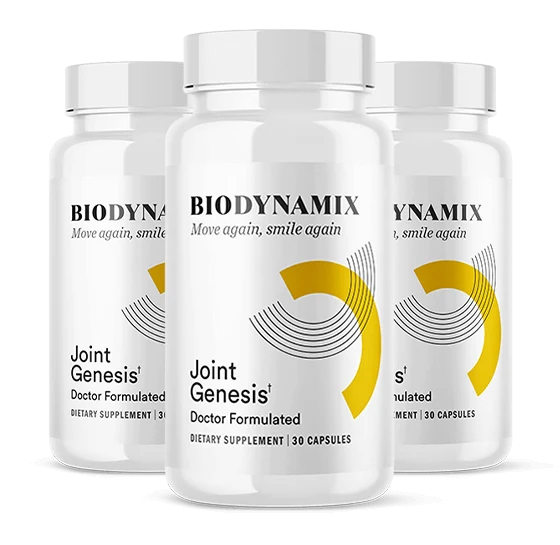
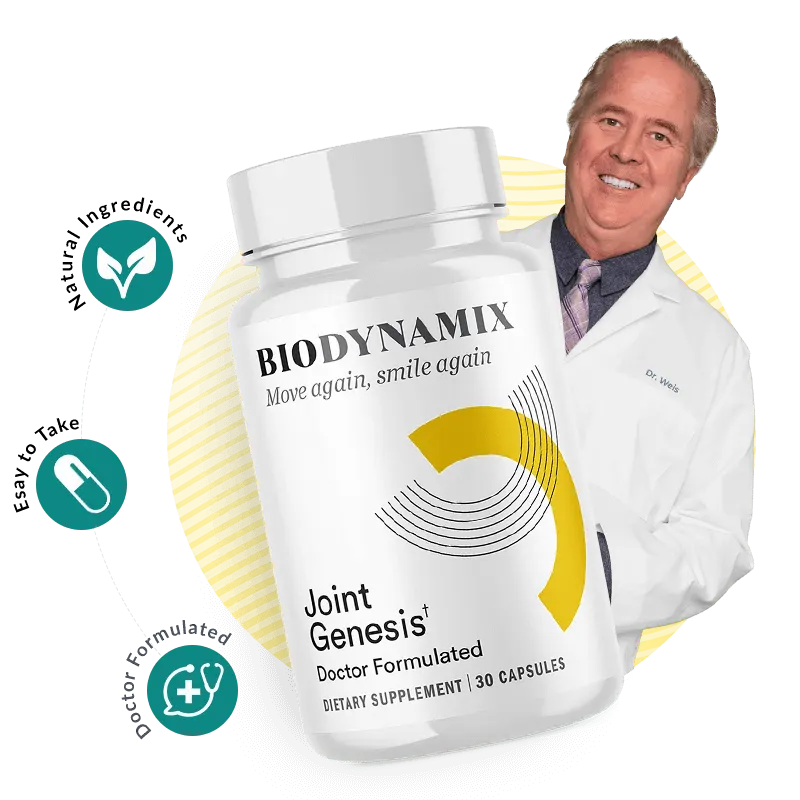
While weight loss is a powerful strategy for managing joint pain, supporting the joints directly with targeted nutrients can offer additional benefits. Joint Genesis is a dietary supplement formulated to address key aspects of joint health, particularly in the context of aging and degeneration.
Cellular Senescence Support
Joint Genesis focuses on supporting the health of cartilage cells (chondrocytes) by targeting cellular senescence, a process where cells stop dividing but remain metabolically active, releasing pro-inflammatory substances. By promoting cellular vitality, it aims to maintain the integrity of cartilage.
Hyaluronan Production
A cornerstone of its formulation is the support for healthy hyaluronan levels. Hyaluronan is a vital component of synovial fluid, which lubricates the joints and acts as a shock absorber. Adequate hyaluronan ensures smooth, pain-free movement and nourishes cartilage.
Natural Ingredient Profile
The supplement utilizes a blend of natural ingredients, each selected for its potential role in reducing inflammation, protecting cartilage, and supporting overall joint function. These ingredients work synergistically to provide comprehensive joint support.
Complementary Approach
Joint Genesis is designed to complement healthy lifestyle choices, including weight management. By addressing the cellular and fluid components of joint health, it can enhance the benefits derived from weight loss, helping individuals achieve greater comfort and mobility.
Key Ingredients in Joint Genesis
Joint Genesis combines several powerful natural ingredients, each chosen for its scientific backing in promoting joint health and comfort. As per the instructions, these are presented in a text-only card-grid format.
Hyal-Joint®
Role: A patented blend of hyaluronic acid, collagen, and glycosaminoglycans, Hyal-Joint® is crucial for maintaining the viscosity and elasticity of synovial fluid, enhancing joint lubrication, and shock absorption. It directly supports the joint's natural cushioning system.
Typical dose: 80 mg dailyFrench Maritime Pine Bark
Role: Rich in powerful antioxidants called procyanidins, this extract helps combat oxidative stress and inflammation within the joints. It supports circulation and can aid in reducing discomfort and stiffness, protecting cartilage from free radical damage.
Typical dose: 50-150 mg dailyGinger Root
Role: Renowned for its potent anti-inflammatory properties, ginger has been used for centuries to alleviate pain and swelling. It contains compounds called gingerols that help inhibit inflammatory pathways, providing natural relief for aching joints.
Typical dose: 250-1000 mg dailyBoswellia Serrata
Role: Also known as Indian frankincense, Boswellia serrata is a powerful anti-inflammatory herb. Its active compounds, boswellic acids, help block the production of leukotrienes, molecules that contribute to inflammation and pain in conditions like osteoarthritis.
Typical dose: 100-300 mg dailyBioperine®
Role: Derived from black pepper, Bioperine® is a patented extract known for its ability to significantly enhance the bioavailability and absorption of other nutrients. It ensures that the body can effectively utilize the beneficial compounds from the other ingredients in Joint Genesis.
Typical dose: 5-10 mg daily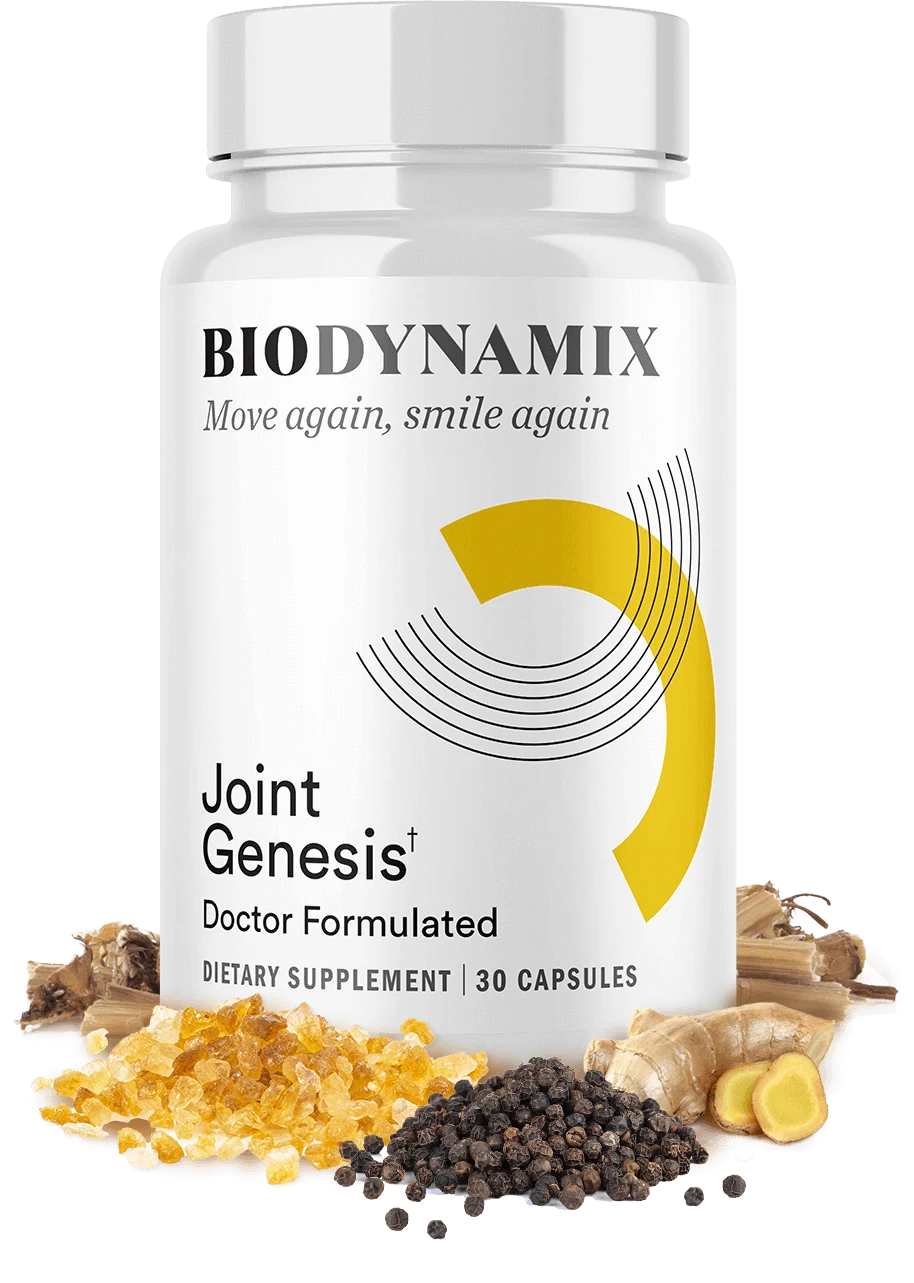
Reclaim Your Mobility and Comfort with Joint Genesis
If you're ready to take a proactive step towards better joint health and complement your weight management efforts, Joint Genesis offers a scientifically formulated solution. Designed to support the vitality of your cartilage and the lubrication of your joints, it's an essential addition to your daily routine.
- Supports healthy cartilage and joint lubrication
- Reduces inflammation and discomfort
- Promotes improved mobility and flexibility
- Formulated with clinically studied natural ingredients
- Made in the USA in a GMP-certified facility




Real Stories, Real Relief
"My knees feel years younger! Losing just a few pounds and adding Joint Genesis has made a world of difference. I can walk my dog again without constant aches."
"I was skeptical, but the combination of diet changes and this supplement truly helped my hip pain. The inflammation is down, and I feel so much more active."
"For years, my weight exacerbated my joint issues. Joint Genesis, alongside a healthier lifestyle, has given me back my mornings. Less stiffness, more joy!"
Frequently Asked Questions
How does weight loss directly impact joint pain?
+Weight loss reduces mechanical stress on joints, particularly weight-bearing ones like knees and hips. Every pound lost can reduce the load on your knees by several pounds, significantly alleviating pain and slowing cartilage wear.
Can losing weight reverse osteoarthritis?
+While weight loss cannot fully reverse existing cartilage damage from osteoarthritis, it can significantly slow its progression, reduce pain, improve function, and decrease the need for pain medication or surgery. It's a crucial management strategy.
What type of exercise is best for joint pain when trying to lose weight?
+Low-impact exercises are ideal, such as swimming, cycling, walking, and tai chi. These activities minimize stress on joints while still promoting calorie burning and muscle strengthening, which supports joint stability.
How does inflammation connect weight and joint pain?
+Adipose (fat) tissue is not just storage; it's metabolically active, releasing inflammatory cytokines. Excess weight means more fat tissue, leading to systemic inflammation that exacerbates joint pain and contributes to cartilage degradation in conditions like osteoarthritis.
How can Joint Genesis support individuals focusing on weight loss for joint health?
+Joint Genesis is designed to support joint health by promoting healthy cartilage and synovial fluid. Its ingredients target factors like cellular senescence and hyaluronan production, which can complement the benefits of weight loss by addressing underlying joint degeneration.
Is Joint Genesis a weight loss supplement?
+No, Joint Genesis is not a weight loss supplement. It is formulated to support joint health, comfort, and mobility. However, by improving joint comfort, it may enable individuals to engage in more physical activity, which can indirectly aid in weight management.
Related Articles