Are Your Joints Hurting More When You're Stressed? It's Not Just Your Imagination.
In the intricate tapestry of human health, few connections are as profound yet often overlooked as the link between mental stress and physical pain. For millions grappling with osteoarthritis and joint degeneration, periods of heightened stress often coincide with an unwelcome escalation of joint discomfort, stiffness, and even debilitating flare-ups. This isn't a mere coincidence; it's a deeply rooted physiological response that warrants our full attention.
This article delves into the scientific mechanisms explaining why your body's reaction to stress can directly fuel joint pain, particularly in conditions like osteoarthritis. We'll explore how chronic stress impacts inflammation, pain perception, and the overall health of your joints, offering actionable insights and holistic strategies to break this challenging cycle.
The Intricate Dance Between Stress and Inflammation
To understand how stress affects your joints, we must first grasp its fundamental impact on your body's immune and inflammatory responses. Stress is more than just a feeling; it's a complex physiological cascade.
When you encounter a stressful situation, your body activates its "fight or flight" response. This involves the release of stress hormones like cortisol and adrenaline from the adrenal glands. While these hormones are crucial for short-term survival, preparing your body to react to immediate threats, their prolonged elevation due to chronic stress can have detrimental effects on systemic health, including your joints.
Initially, cortisol has anti-inflammatory properties, but chronic exposure can lead to a phenomenon known as cortisol resistance. This means your body's cells become less responsive to cortisol's anti-inflammatory signals, paradoxically leading to increased inflammation. The immune system, constantly on alert, begins to release pro-inflammatory cytokines such as IL-6, TNF-alpha, and C-reactive protein (CRP). These chemical messengers are the very culprits behind the inflammation that drives the pain and progression of conditions like osteoarthritis and joint degeneration.
Imagine your joints as delicate machinery. In osteoarthritis, the protective cartilage that cushions the ends of your bones wears down over time. Chronic inflammation, fueled by stress, acts like sandpaper, accelerating this wear and tear. It can directly damage chondrocytes, the cells responsible for maintaining cartilage, and inhibit their repair processes. This creates a vicious cycle where stress leads to inflammation, inflammation damages joints, and damaged joints cause more pain, which in turn becomes a new source of stress.
Furthermore, stress can alter the gut microbiome, leading to increased gut permeability and a condition often referred to as "leaky gut." This can allow inflammatory substances to enter the bloodstream, triggering widespread systemic inflammation that can travel to vulnerable areas like your joints, intensifying pain and accelerating degeneration.
💡 Key Takeaway
Chronic stress triggers a cascade of physiological responses, including elevated cortisol and pro-inflammatory cytokines, which directly contribute to systemic inflammation and accelerate cartilage breakdown in osteoarthritis, intensifying joint pain and degeneration.
Stress, Pain Perception, and the Brain-Body Connection
Beyond the biochemical changes, stress profoundly influences how we perceive pain. The brain plays a central role in processing pain signals, and chronic stress can rewire these pathways, making us more sensitive to discomfort.
When you're under stress, your brain's pain processing centers become hyperactive. This can lead to a phenomenon called central sensitization, where the nervous system is in a persistent state of high reactivity, causing even minor stimuli to be perceived as painful. For someone with existing joint pain, this means that the same level of physical damage might feel significantly worse during stressful periods.
Stress also disrupts sleep patterns. Lack of restorative sleep is a major contributor to increased pain sensitivity and reduced pain tolerance. When you're tired, your body's natural pain-relieving mechanisms, such as endorphin production, are diminished, making joint aches feel more intense and recovery slower. Moreover, poor sleep is itself a significant physiological stressor, further perpetuating the cycle of inflammation and pain.
The psychological toll of chronic stress—including feelings of anxiety, frustration, and helplessness—can also directly amplify physical symptoms. These emotional states can increase muscle tension around affected joints, further restricting movement and exacerbating pain. The constant worry about pain and its impact on daily life becomes a self-fulfilling prophecy, creating a feedback loop where stress worsens pain, and pain worsens stress.
Understanding this brain-body connection is crucial. It highlights that managing stress isn't just about feeling better mentally; it's a vital component of a comprehensive strategy for managing physical conditions like osteoarthritis and preventing joint pain flare-ups. Addressing the mind can directly translate to tangible improvements in physical comfort and joint function.
Breaking the Cycle: Effective Stress Management for Joint Health
While stress is an unavoidable part of life, how we respond to it can significantly influence our joint health. Implementing effective stress management techniques is not just about mental well-being; it's a proactive step towards reducing inflammation, decreasing pain, and protecting your joints from further degeneration.
Mindfulness and Meditation
Practices like mindfulness meditation and deep breathing exercises can train your brain to respond differently to stress. Regular meditation has been shown to reduce cortisol levels, decrease pro-inflammatory cytokines, and even alter pain pathways in the brain, making pain less intense and more manageable.
Regular, Gentle Exercise
Physical activity, especially low-impact forms like walking, swimming, or yoga, is a powerful stress reliever. Exercise releases endorphins, natural mood elevators and pain suppressors. It also helps maintain joint flexibility, strengthen supporting muscles, and improve circulation, all vital for joint health. Always consult your doctor for an appropriate exercise plan, especially with existing joint conditions.
Prioritize Quality Sleep
Adequate, restorative sleep is non-negotiable for both stress reduction and pain management. Aim for 7-9 hours of quality sleep per night. Establishing a consistent sleep schedule, creating a relaxing bedtime routine, and optimizing your sleep environment can significantly improve sleep quality and, in turn, reduce joint pain sensitivity.
Nutrient-Rich, Anti-Inflammatory Diet
Your diet plays a crucial role in managing inflammation. Incorporate foods rich in omega-3 fatty acids (fish, flaxseed), antioxidants (berries, leafy greens), and probiotics (fermented foods). These nutrients can combat systemic inflammation and support overall joint health. Limiting processed foods, sugar, and unhealthy fats is equally important.
Seek Social Support and Connection
Connecting with loved ones, joining support groups, or simply sharing your feelings can significantly reduce stress. Isolation can exacerbate feelings of stress and pain, while social interaction provides emotional buffering and a sense of belonging, which are protective factors against chronic stress.
Professional Guidance
If stress feels overwhelming or unmanageable, don't hesitate to seek professional help. Therapists, counselors, or stress management coaches can provide personalized strategies and coping mechanisms. For persistent joint pain, a rheumatologist or orthopedic specialist can offer tailored medical advice and treatment plans.
The Role of Specialized Nutritional Support for Joint Health
While stress management is paramount, supporting your joints directly with targeted nutrition can also play a significant role in reducing pain and promoting regeneration, especially when dealing with osteoarthritis and joint degeneration. This is where high-quality joint supplements can offer valuable assistance.
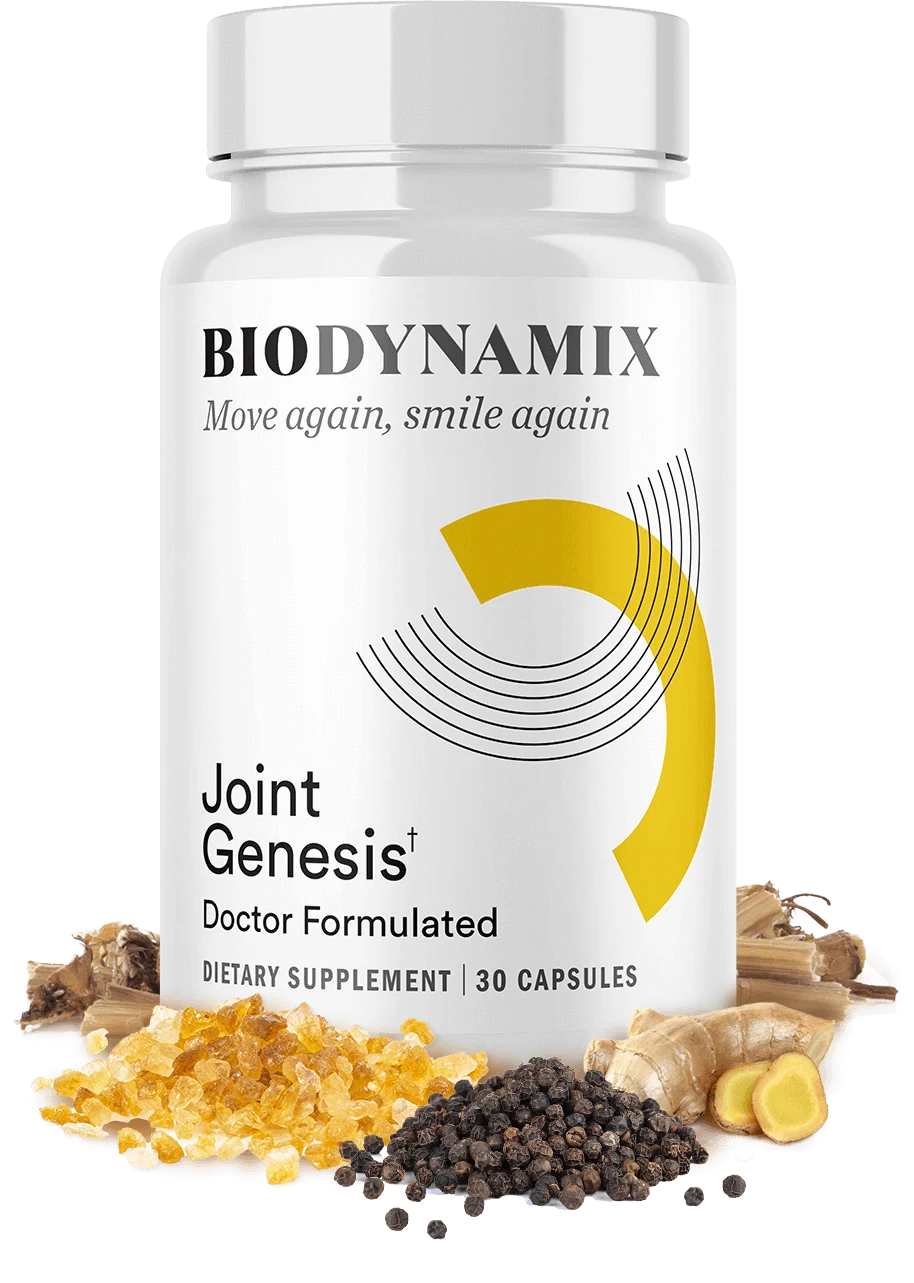
The goal of such supplements is often to replenish vital components of joint fluid, reduce inflammation, and protect cartilage from further damage. One such solution that addresses these aspects is Joint Genesis. It’s formulated to target the root causes of joint degeneration by supporting the health of the synovial fluid, which is crucial for cushioning and lubricating your joints.
Many individuals find that combining effective stress reduction techniques with a supportive supplement regimen provides the most comprehensive relief. When your body is less inflamed and your joints are better nourished, the impact of stress on your joint pain can be significantly mitigated. For instance, ingredients that support the synovial fluid can help provide the cushioning needed to reduce friction and pain, which can be exacerbated by stress-induced muscle tension.
For more detailed information on specific ingredients that benefit joint health, you might find our article on hyaluronic acid joint supplements particularly insightful, as it's a key component in maintaining synovial fluid viscosity.
Let's explore some of the key ingredients found in Joint Genesis and their roles in promoting joint health, which can indirectly help buffer the negative effects of stress on your joints.
Key Ingredients in Joint Genesis for Comprehensive Joint Support
Mobilee® (Hyaluronic Acid Matrix)
A patented ingredient providing a unique blend of hyaluronic acid, collagen, and other glycosaminoglycans. It's clinically shown to nourish and lubricate the synovial fluid, which is vital for cushioning joints and allowing smooth, pain-free movement, countering the effects of degeneration.
French Maritime Pine Bark (Pycnogenol®)
A powerful antioxidant that supports healthy inflammatory responses and improves circulation. It helps protect joint tissues from oxidative stress and can reduce inflammatory markers that are often elevated during periods of chronic stress, thus alleviating joint discomfort.
Ginger Root Powder
Renowned for its potent anti-inflammatory and analgesic properties. Ginger can help reduce pain and swelling in joints, making it a valuable ally against osteoarthritis symptoms. Its calming effects can also indirectly help manage stress-induced pain flare-ups. Learn more about ginger for joint pain.
Boswellia Serrata Extract
An ancient herbal remedy known for its significant anti-inflammatory benefits. It works by inhibiting specific enzymes that contribute to inflammation, offering a natural way to reduce joint pain and improve mobility, especially beneficial when stress exacerbates inflammatory responses.
BioPerine® (Black Pepper Extract)
Included to enhance the bioavailability of other ingredients, ensuring that your body can absorb and utilize the beneficial compounds more effectively. This maximizes the impact of the formula's anti-inflammatory and joint-supporting components.
Methylsulfonylmethane (MSM)
A sulfur-containing compound that supports healthy connective tissues, including cartilage, ligaments, and tendons. MSM helps reduce inflammation and pain, contributing to the structural integrity and flexibility of joints, which can be compromised by chronic stress.
Integrating Lifestyle and Supplements for Holistic Joint Care
Effectively managing joint pain, especially when stress is a significant trigger, requires a holistic approach. It's not about choosing one solution over another, but rather combining multiple strategies that address both the mental and physical aspects of your well-being.
Think of it as building a robust defense system for your joints. Stress management techniques form the foundation, reducing the internal inflammatory assault. A healthy, anti-inflammatory diet provides the building blocks for repair and resilience. Gentle exercise keeps your joints mobile and strong, preventing stiffness that can worsen with stress.
And for targeted support, supplements like Joint Genesis can act as a powerful reinforcement. By nourishing the synovial fluid and providing key anti-inflammatory and cartilage-supporting nutrients, they help your joints withstand the daily wear and tear, and better resist the damaging effects of stress-induced inflammation. This comprehensive approach is particularly beneficial for those seeking natural joint relief without relying solely on NSAIDs, which can have side effects with long-term use.
Remember, consistency is key. Integrating these practices into your daily routine will yield the most significant and lasting benefits. It's about creating a lifestyle that actively promotes joint health and resilience against stress, rather than passively reacting to flare-ups.
💡 Key Takeaway
A holistic approach combining stress management, an anti-inflammatory diet, gentle exercise, and targeted nutritional supplements like Joint Genesis offers the most effective strategy for mitigating stress-induced joint pain flare-ups and supporting long-term joint health.
Conclusion: Empowering Yourself Against Stress-Induced Joint Pain
The connection between stress and joint pain flare-ups in osteoarthritis and joint degeneration is undeniable and deeply rooted in our physiology. Chronic stress is not just a mental burden; it's a potent catalyst for inflammation and pain amplification that can significantly worsen your joint health.
However, understanding this connection empowers you. It highlights that you have agency over your joint health beyond traditional medical interventions. By proactively managing stress through mindfulness, exercise, adequate sleep, and a healthy diet, you can significantly reduce the frequency and intensity of joint pain flare-ups. When combined with targeted nutritional support from supplements like Joint Genesis, you provide your joints with the best possible environment for repair, resilience, and sustained comfort.
Don't let stress dictate the health of your joints. Take control by implementing these strategies today, and experience the profound relief that comes from nurturing both your mind and your body.
Ready for Lasting Joint Comfort?
Take the first step towards a life with less joint pain and more mobility. Joint Genesis is formulated to support healthy synovial fluid and reduce inflammation, giving your joints the support they need to thrive, even amidst life's stresses.
- ✓ Supports healthy synovial fluid for lubrication
- ✓ Contains powerful anti-inflammatory ingredients
- ✓ Promotes cartilage health and regeneration
- ✓ Made with 100% natural, science-backed ingredients
- ✓ Manufactured in a GMP-certified facility




What Our Customers Are Saying
"I used to dread stressful days because I knew my knees would pay for it. Since starting Joint Genesis and focusing on my stress, the flare-ups are so much less frequent and severe. I feel like I finally have control again."
"My doctor mentioned the stress-pain link, but I didn't truly get it until I tried to manage both consciously. Joint Genesis has been a fantastic addition, reducing inflammation and making my daily discomfort much more manageable. Highly recommend!"
"Chronic stress was a huge factor in my arthritis pain. Combining meditation with Joint Genesis has been a game-changer. My joints feel more supple, and the constant ache has significantly diminished. It's truly a holistic solution."
Frequently Asked Questions
How does stress directly impact joint pain and osteoarthritis?
+Stress triggers the release of hormones like cortisol, which, when chronically elevated, can lead to systemic inflammation. This inflammation directly contributes to the breakdown of cartilage and exacerbates the pain and progression of osteoarthritis and joint degeneration.
Can stress management truly reduce joint pain flare-ups?
+Absolutely. By reducing chronic stress, you can lower systemic inflammation, improve pain perception, and enhance overall well-being. Techniques like mindfulness, yoga, and adequate sleep have been shown to significantly mitigate the frequency and intensity of joint pain flare-ups.
What are some immediate strategies to cope with stress during a joint pain flare-up?
+During a flare-up, focus on gentle deep breathing exercises, progressive muscle relaxation, or guided meditation. Distraction techniques like listening to calming music or engaging in a light, enjoyable activity can also help shift focus away from pain and reduce stress.
Are there any dietary changes that can help with both stress and joint pain?
+Yes, an anti-inflammatory diet rich in omega-3 fatty acids, antioxidants, and whole foods can support both stress reduction and joint health. Avoiding processed foods, excessive sugar, and unhealthy fats can help reduce inflammation, which benefits both conditions.
How does Joint Genesis fit into a comprehensive approach to managing stress and joint pain?
+Joint Genesis is designed to support joint health by replenishing synovial fluid and providing anti-inflammatory nutrients. While it directly addresses joint degeneration, its role in improving joint comfort can indirectly reduce the stress caused by chronic pain, making it a valuable part of a holistic management plan.
Is it safe to take joint supplements like Joint Genesis if I'm already stressed?
+Joint Genesis is formulated with natural ingredients generally considered safe. However, it's always crucial to consult with your physician before starting any new supplement, especially if you have underlying health conditions, are on medication, or are experiencing significant stress, to ensure it's appropriate for your individual health needs.
Related Articles