Are you tired of persistent joint pain and stiffness limiting your life?
Millions worldwide suffer from chronic joint discomfort, often stemming from inflammation and the gradual degeneration of cartilage within their joints. This pervasive issue, frequently diagnosed as osteoarthritis, can significantly impact quality of life, making everyday activities a challenge.
While various treatments exist, a growing body of scientific evidence points towards the remarkable benefits of Omega-3 fatty acids as a powerful natural ally in the fight against joint pain and inflammation. These essential nutrients play a crucial role in regulating the body's inflammatory response, offering a ray of hope for those seeking relief.
Understanding Joint Pain, Inflammation, and Osteoarthritis
Before delving into the benefits of Omega-3s, it's essential to grasp the underlying mechanisms of joint pain and inflammation, particularly in the context of osteoarthritis and general joint degeneration.
Joint pain is a common ailment that can range from mild discomfort to severe, debilitating agony. It can affect any joint in the body, but is most prevalent in the knees, hips, hands, and spine. While many factors can contribute to joint pain, including injury, infection, and autoimmune diseases, one of the most widespread causes is inflammation. This natural protective response by the body, when chronic, can lead to significant tissue damage and pain.
Osteoarthritis (OA), often referred to as "wear and tear" arthritis, is the most common form of arthritis, affecting millions globally. It's a progressive condition characterized by the breakdown of cartilage – the slippery tissue that covers the ends of bones in a joint, allowing them to glide smoothly over each other. As cartilage deteriorates, bones begin to rub directly, leading to pain, stiffness, swelling, and reduced range of motion. The inflammation associated with OA is a key driver of its symptoms and progression, creating a vicious cycle of damage and discomfort. Understanding this inflammatory component is crucial for effective management strategies.
Factors contributing to joint degeneration include age, genetics, obesity, previous joint injuries, repetitive stress, and certain metabolic conditions. While the visible symptoms manifest in the joints, the systemic inflammatory processes often play a significant role. Addressing this inflammation is a cornerstone of managing osteoarthritis and improving joint health.
💡 Key Takeaway
Chronic joint pain, particularly from osteoarthritis, is driven by inflammation and cartilage breakdown. Effective strategies must address both the symptoms and the underlying inflammatory processes to provide lasting relief and support joint function.
What Exactly Are Omega-3 Fatty Acids?
Omega-3 fatty acids are a type of polyunsaturated fat that are essential for human health, meaning our bodies cannot produce them, and we must obtain them through diet or supplementation.
There are three main types of Omega-3s relevant to human health:
- Eicosapentaenoic Acid (EPA): Primarily found in fatty fish and fish oil, EPA is renowned for its potent anti-inflammatory effects. It acts as a precursor to molecules that reduce inflammation throughout the body.
- Docosahexaenoic Acid (DHA): Also abundant in fatty fish and fish oil, DHA is critical for brain health, eye function, and overall nervous system development. While less directly involved in inflammation than EPA, it supports overall cellular health which indirectly benefits inflammatory balance.
- Alpha-Linolenic Acid (ALA): Found in plant sources like flaxseeds, chia seeds, and walnuts, ALA is a precursor to EPA and DHA. However, the body's conversion of ALA to EPA and especially DHA is often inefficient, making direct sources of EPA and DHA more effective for therapeutic benefits.
The balance of Omega-3s to Omega-6 fatty acids (another essential fat, often overconsumed in Western diets) is critical. A skewed ratio, with too many Omega-6s, can promote inflammation, while a higher intake of Omega-3s helps shift the body towards an anti-inflammatory state. This balance is particularly important for managing conditions like osteoarthritis.
The Anti-Inflammatory Power: How Omega-3s Work for Joint Health
The primary mechanism through which Omega-3 fatty acids benefit joint health lies in their profound ability to modulate the body's inflammatory pathways.
When inflammation occurs, the body produces various signaling molecules, known as eicosanoids, from fatty acids in cell membranes. Omega-6 fatty acids, particularly arachidonic acid, are precursors to pro-inflammatory eicosanoids that contribute to pain, swelling, and tissue damage. In contrast, EPA and DHA compete with Omega-6s for these same enzymatic pathways. When Omega-3s are abundant, they lead to the production of less inflammatory eicosanoids and specialized pro-resolving mediators (SPMs) such as resolvins, protectins, and maresins. These SPMs actively work to resolve inflammation, essentially signaling the body to "turn off" the inflammatory response once its job is done.
This shift from a pro-inflammatory to an anti-inflammatory state is incredibly beneficial for conditions like osteoarthritis. By reducing the production of inflammatory cytokines and enzymes (like COX-2, which is targeted by NSAIDs), Omega-3s can significantly lessen the pain, stiffness, and swelling associated with joint degeneration. They don't just mask symptoms; they address an underlying cause of discomfort, promoting a more balanced inflammatory environment within the joints.
Furthermore, Omega-3s may also contribute to the health of cartilage and synovial fluid indirectly. By reducing the inflammatory load, they create a more favorable environment for cartilage cells (chondrocytes) to function and potentially slow down the rate of cartilage degradation. While they are not a cure for osteoarthritis, their consistent use can lead to substantial improvements in joint comfort and function, allowing individuals to maintain more active and fulfilling lives.
💡 Key Takeaway
Omega-3s, particularly EPA and DHA, exert their beneficial effects by competing with pro-inflammatory Omega-6s and producing anti-inflammatory mediators, actively resolving inflammation and reducing pain and stiffness in the joints.
Scientific Evidence Supporting Omega-3s for Osteoarthritis
Numerous studies have investigated the efficacy of Omega-3 supplementation in managing symptoms of osteoarthritis and other inflammatory joint conditions. The scientific consensus largely supports its role as a valuable adjunctive therapy.
Reduced Joint Pain and Stiffness
Multiple clinical trials have demonstrated that consistent Omega-3 supplementation can significantly reduce self-reported joint pain and morning stiffness in individuals with osteoarthritis. Patients often report improved comfort during daily activities and a greater range of motion, translating to a better quality of life.
Decreased Need for NSAIDs
For many sufferers, the pain relief offered by Omega-3s can be substantial enough to reduce their reliance on non-steroidal anti-inflammatory drugs (NSAIDs). This is a significant benefit, as long-term NSAID use is associated with potential side effects such as gastrointestinal issues, kidney problems, and cardiovascular risks.
Lowered Inflammatory Markers
Studies show that Omega-3 supplementation can lead to a measurable decrease in systemic inflammatory markers, such as C-reactive protein (CRP) and interleukin-6 (IL-6), which are often elevated in individuals with chronic inflammatory conditions like OA. This objective evidence reinforces the anti-inflammatory action of EPA and DHA.
Support for Cartilage Health
While Omega-3s don't regenerate cartilage, their anti-inflammatory effects create a more conducive environment for existing cartilage. By dampening the inflammatory cascade, they may help protect chondrocytes (cartilage cells) from further damage and potentially slow the rate of cartilage degradation. This is particularly relevant for those looking for ways to support knee cartilage health.
Improved Overall Physical Function
Beyond pain reduction, the cumulative effect of reduced inflammation and stiffness often translates to improved physical function. Patients may find it easier to walk, climb stairs, or perform other movements that were previously painful or difficult, allowing for greater independence and participation in daily activities.
Dietary Sources vs. Supplements: Getting Your Omega-3s
Obtaining adequate Omega-3s for joint health can come from two main avenues: dietary sources and targeted supplementation.
Dietary Sources of Omega-3s:
- Fatty Fish: The richest and most bioavailable sources of EPA and DHA are cold-water fatty fish. Examples include:
- Salmon (wild-caught is often preferred)
- Mackerel
- Sardines
- Anchovies
- Herring
- Tuna (albacore, light canned)
- Plant-Based Sources (ALA): While providing ALA, which converts to EPA and DHA, the conversion rate is typically low (around 5-10% for EPA and less than 0.5% for DHA). Good plant sources include:
- Flaxseeds and flaxseed oil
- Chia seeds
- Walnuts
- Hemp seeds
- Soybeans and soybean oil
Omega-3 Supplements:
For many, especially those with chronic joint pain or dietary restrictions, supplements are the most reliable way to achieve therapeutic doses of EPA and DHA. When choosing a supplement, consider the following:
- Form: Look for supplements in triglyceride form, which is generally better absorbed than ethyl ester form.
- EPA and DHA Content: Pay close attention to the actual amounts of EPA and DHA per serving, not just the total fish oil amount.
- Purity and Potency: Choose brands that are third-party tested for purity, ensuring they are free from heavy metals (like mercury), PCBs, and other contaminants. Look for certifications like IFOS (International Fish Oil Standards) or GOED (Global Organization for EPA and DHA Omega-3s).
- Sustainability: Opt for products sourced from sustainable fisheries.
While dietary intake is always encouraged, supplementation often provides the concentrated doses needed to make a tangible difference in chronic inflammatory conditions. For more detailed information on choosing effective joint supplements, you might find our article on the best supplement for osteoarthritis pain helpful.
Optimal Dosage and Considerations for Omega-3 Supplementation
Determining the right dosage of Omega-3s for joint pain can vary, but general guidelines are supported by research.
For individuals with osteoarthritis and chronic joint inflammation, a common therapeutic dose ranges from 1,000 mg to 3,000 mg of combined EPA and DHA per day. It's often recommended to start with a lower dose and gradually increase it to assess tolerance and effectiveness. Some studies suggest higher doses (up to 4,000 mg/day) might be beneficial under medical supervision, particularly for severe inflammation.
Important Considerations:
- Consult Your Doctor: Always discuss Omega-3 supplementation with your healthcare provider, especially if you are pregnant, breastfeeding, have a bleeding disorder, are on blood-thinning medications (anticoagulants), or have any other medical conditions. High doses of Omega-3s can thin the blood.
- Timing: Taking Omega-3 supplements with meals, particularly those containing other fats, can enhance absorption and reduce potential side effects like a fishy aftertaste or indigestion.
- Consistency is Key: The anti-inflammatory effects of Omega-3s are not immediate. It typically takes several weeks to months of consistent supplementation to observe significant improvements in joint pain and stiffness.
- Quality Matters: As mentioned, choose a reputable brand that provides third-party testing for purity and potency. The quality of your supplement directly impacts its effectiveness and safety.
While Omega-3s are a powerful tool, they are most effective as part of a holistic approach to joint health. This includes a balanced diet, regular low-impact exercise, maintaining a healthy weight, and potentially other targeted supplements. For a deeper dive into how different supplements compare, you might want to read our analysis on Joint Genesis vs. other supplements.
💡 Key Takeaway
For joint pain, aim for 1,000-3,000 mg of combined EPA and DHA daily, derived from high-quality supplements. Always consult a doctor, maintain consistency, and integrate supplementation into a broader joint health strategy.
Beyond Omega-3s: A Holistic Approach to Joint Health
While Omega-3s are incredibly beneficial, optimal joint health is achieved through a multi-faceted approach that addresses various aspects of joint function and overall well-being.
Anti-Inflammatory Diet
Embrace a diet rich in fruits, vegetables, whole grains, lean proteins, and healthy fats. Limit processed foods, sugary drinks, excessive red meat, and unhealthy fats (trans fats, excessive Omega-6s) that can fuel inflammation. Focus on nutrient-dense foods that support overall health and reduce inflammatory load.
Regular, Low-Impact Exercise
Movement is medicine for joints. Low-impact activities like swimming, cycling, walking, and yoga can strengthen muscles around the joints, improve flexibility, and enhance blood flow without putting excessive stress on cartilage. Consult a physical therapist for personalized exercise routines suitable for your condition.
Weight Management
Excess body weight places significant stress on weight-bearing joints like the knees and hips, accelerating cartilage wear and increasing pain. Losing even a small amount of weight can dramatically reduce joint load and improve symptoms of osteoarthritis.
Quality Sleep and Stress Reduction
Chronic stress and poor sleep can exacerbate inflammation and pain perception. Prioritize 7-9 hours of quality sleep per night and incorporate stress-reducing techniques like meditation, deep breathing, or spending time in nature to support your body's healing processes.
Targeted Joint Supplements
Beyond Omega-3s, other natural compounds can offer targeted support for joint structure and function. These often include ingredients that support cartilage integrity, synovial fluid viscosity, and further reduce inflammation. The key is to choose supplements that are backed by science and provide a synergistic blend of beneficial ingredients.
Joint Genesis: A Comprehensive Approach to Joint Rejuvenation
While Omega-3 fatty acids are a crucial component of an anti-inflammatory strategy for joint health, addressing the foundational elements of joint lubrication and cartilage health is equally vital. This is where a specialized supplement like Joint Genesis can play a powerful role.
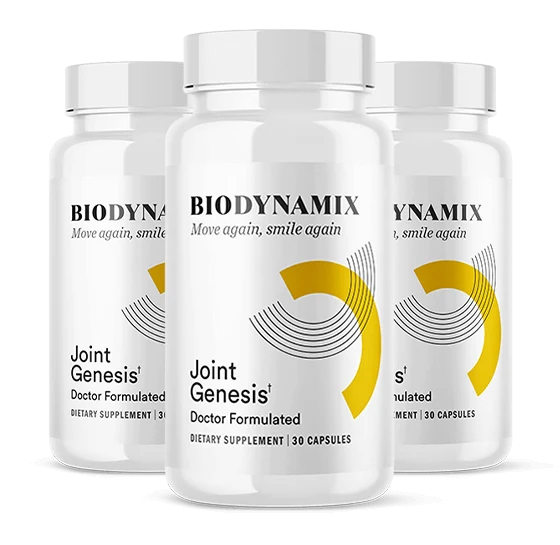
Joint Genesis is designed to support the health and function of your joints by targeting the root causes of age-related joint decay. It focuses on replenishing the naturally occurring "joint jelly" – the synovial fluid – which is essential for cushioning, lubricating, and nourishing your cartilage. As we age, the production of this vital fluid, rich in a key compound called Hyaluronic Acid, diminishes, leading to increased friction, wear, and inflammation.
By combining ingredients that directly support synovial fluid and cartilage with powerful natural anti-inflammatory agents, Joint Genesis offers a multi-pronged approach that complements the systemic benefits of Omega-3s. This holistic strategy helps not only to alleviate pain and stiffness but also to promote the long-term health and resilience of your joints, allowing you to move with greater ease and comfort.
Key Ingredients in Joint Genesis for Advanced Joint Support
Joint Genesis features a unique blend of scientifically-backed ingredients, each chosen for its specific role in supporting joint lubrication, cushioning, and reducing inflammation.
Mobilee® (Hyaluronic Acid)
Role: A patented ingredient that boosts the concentration of Hyaluronic Acid in synovial fluid by up to 10-fold. Hyaluronic Acid is the primary component of synovial fluid, responsible for lubricating joints, absorbing shock, and nourishing cartilage. Mobilee® helps replenish this vital "joint jelly," improving joint cushioning and reducing friction.
French Maritime Pine Bark Extract
Role: A potent antioxidant and anti-inflammatory agent. It helps protect cartilage from oxidative stress and reduces inflammatory pathways, supporting overall joint integrity and comfort.
Ginger Root Extract
Role: Widely recognized for its natural anti-inflammatory properties, ginger helps reduce pain and stiffness by inhibiting the production of inflammatory compounds in the body. It works synergistically with other ingredients to soothe joint discomfort.
Boswellia Serrata Extract
Role: Derived from frankincense, Boswellia Serrata is a powerful anti-inflammatory herb. It targets specific inflammatory enzymes, helping to reduce swelling and pain in the joints without the common side effects associated with conventional anti-inflammatory drugs.
Bioperine® (Black Pepper Extract)
Role: While not directly a joint health ingredient, Bioperine® is included to significantly enhance the bioavailability and absorption of all other beneficial compounds in Joint Genesis. This ensures that your body can effectively utilize each ingredient for maximum impact on joint health.
Experience the Difference with Joint Genesis
Don't let joint pain dictate your life any longer. Joint Genesis offers a science-backed, natural approach to supporting your joint health, helping you regain comfort, mobility, and the freedom to enjoy life's moments.
- Supports healthy synovial fluid and cartilage
- Reduces joint pain, stiffness, and inflammation
- Promotes greater flexibility and mobility
- Made with 100% natural, scientifically-backed ingredients
- Manufactured in a GMP-certified facility in the USA




What Our Users Say About Joint Genesis
"I've tried so many supplements for my knee pain, but nothing worked like Joint Genesis. After just a few weeks, the stiffness in my knees has significantly reduced, and I can walk my dog without constant discomfort. It's truly been a game-changer for me!"
"My doctor recommended Omega-3s, but I felt I needed something more direct for my hip pain. Joint Genesis, with its focus on synovial fluid, provided that extra layer of relief. I feel more flexible and less creaky than I have in years. Highly recommend!"
"As an active senior, joint health is paramount. Joint Genesis has helped me maintain my morning walks and even get back to gardening without the nagging pain in my hands. It's a fantastic blend of natural ingredients that truly delivers on its promises."
Frequently Asked Questions
What are Omega-3 fatty acids and how do they benefit joints?
+Omega-3s are essential polyunsaturated fatty acids, primarily EPA and DHA, known for their powerful anti-inflammatory properties. In the context of joint health, they help by reducing the production of inflammatory molecules (like prostaglandins and leukotrienes) that contribute to pain and tissue damage in conditions like osteoarthritis. This leads to decreased joint pain, stiffness, and improved mobility.
How much Omega-3 should I take for joint pain?
+For joint pain and inflammation, most research suggests a daily intake of 1,000-3,000 mg of combined EPA and DHA. It's crucial to check the EPA/DHA content on your supplement label, as total fish oil quantity can be misleading. Always consult a healthcare professional before starting any new supplement regimen, especially if you have underlying health conditions or are taking other medications.
Are there any side effects of taking Omega-3 supplements?
+Omega-3 supplements are generally well-tolerated. Common mild side effects can include a fishy aftertaste, bad breath, heartburn, nausea, and diarrhea. High doses might increase the risk of bleeding, especially for individuals on blood-thinning medications. It's always best to discuss potential side effects and interactions with your doctor.
Can Omega-3s reverse joint degeneration?
+While Omega-3 fatty acids are highly effective at reducing inflammation and alleviating symptoms like pain and stiffness, they do not directly reverse existing joint degeneration or cartilage loss. They can, however, help slow the progression of inflammation-driven damage and improve overall joint function and comfort, especially when combined with other joint-supporting nutrients and lifestyle changes.
What are the best sources of Omega-3s for joint health?
+The most potent sources of EPA and DHA are fatty fish like salmon, mackerel, sardines, and anchovies. For those who don't consume fish regularly, high-quality fish oil or algal oil supplements are excellent alternatives. Plant-based sources like flaxseeds, chia seeds, and walnuts provide ALA, which the body converts to EPA and DHA, but this conversion is often inefficient.
How does Joint Genesis complement Omega-3 supplementation for joint health?
+Joint Genesis is formulated with ingredients like Hyaluronic Acid for synovial fluid support, alongside natural anti-inflammatory compounds such as Boswellia Serrata, Ginger, and Bioperine. While Omega-3s target systemic inflammation, Joint Genesis focuses on the foundational health of the joint itself, supporting cartilage and synovial fluid. Together, they offer a comprehensive approach to managing joint pain and promoting long-term joint comfort and mobility.
Related Articles