Can Collagen Truly Rebuild Your Joint Cartilage?
For millions worldwide, the relentless ache of joint pain is a daily reality, often stemming from the gradual degeneration of cartilage—the body's natural shock absorber. This condition, known as osteoarthritis (OA), can severely impact quality of life, limiting mobility and independence. As we age, our bodies' ability to repair and maintain this crucial tissue diminishes, leaving us vulnerable to discomfort and stiffness.
The quest for effective solutions has led many to explore various avenues, from physical therapy to surgical interventions. Increasingly, scientific research is highlighting the potential of nutritional support, particularly focusing on collagen supplements, to play a vital role in preserving and even restoring joint health. Collagen is not just a buzzword in the beauty industry; it is truly the building blocks of healthy cartilage, offering a promising pathway for those seeking relief and long-term joint support.
Understanding Joint Cartilage and Its Vital Role
Before delving into solutions, it's crucial to understand what joint cartilage is and why its health is paramount for our mobility and comfort.
Joint cartilage is a remarkable connective tissue that covers the ends of bones where they meet to form a joint. Its primary function is to provide a smooth, lubricated surface for bones to glide over each other, reducing friction and absorbing shock during movement. Think of it as a natural cushion that prevents bone-on-bone grinding, allowing for fluid and pain-free motion.
This resilient tissue is primarily composed of specialized cells called chondrocytes, embedded within an extracellular matrix. This matrix is a complex network of fibers and ground substance, with two key components: **collagen fibers** and **proteoglycans**. Collagen, particularly Type II, provides the cartilage with its tensile strength and structural integrity, making it resistant to stretching and tearing. Proteoglycans, on the other hand, are large molecules that attract and hold water, giving cartilage its compressibility and elasticity. This unique composition allows cartilage to withstand significant forces and return to its original shape.
The health of our cartilage is intrinsically linked to our overall joint function. When cartilage is healthy, joints move smoothly, and we can perform daily activities without discomfort. However, cartilage has limited capacity for self-repair, unlike many other tissues in the body. It lacks blood vessels, which means nutrients and oxygen must diffuse through the surrounding synovial fluid, making its healing process slow and often incomplete.
Factors such as age, repetitive stress, injury, obesity, and inflammatory conditions can all contribute to the gradual breakdown of cartilage. This degeneration often leads to **osteoarthritis (OA)**, a chronic condition characterized by pain, stiffness, swelling, and reduced range of motion. As cartilage erodes, the protective barrier between bones diminishes, leading to increased friction and discomfort. Understanding this foundational role of cartilage is the first step in appreciating the potential benefits of targeted nutritional support, such as collagen supplementation.
💡 Key Takeaway
Joint cartilage acts as a crucial shock absorber and friction reducer in our joints, composed primarily of collagen and proteoglycans. Its limited self-repair capacity makes it vulnerable to degeneration, leading to conditions like osteoarthritis and highlighting the importance of supportive interventions.
The Silent Epidemic: Understanding Osteoarthritis and Joint Degeneration
Osteoarthritis (OA) is the most common form of arthritis, affecting millions globally. It's a progressive disease that primarily targets the articular cartilage, leading to its gradual deterioration.
The progression of OA is often insidious, beginning with subtle changes in the cartilage structure. Over time, the smooth, resilient surface of healthy cartilage becomes rough, pitted, and eventually thins out. This breakdown releases tiny fragments into the joint space, which can trigger inflammation and further accelerate degradation. As the cartilage continues to wear away, the underlying bone becomes exposed, leading to painful bone-on-bone friction. The body may attempt to repair this damage by forming bone spurs (osteophytes), which can further restrict joint movement and increase pain.
Symptoms of OA typically include **joint pain**, which often worsens with activity and improves with rest, **stiffness**, particularly after periods of inactivity or in the morning, **reduced flexibility**, **grating sensation** or cracking sounds (crepitus) when moving the joint, and **swelling** around the affected joint. While OA can affect any joint, it most commonly impacts weight-bearing joints like the knees, hips, and spine, as well as the hands.
Risk factors for developing OA are numerous and include age (risk increases significantly after 50), obesity (puts extra stress on joints), previous joint injuries, repetitive stress from certain occupations or sports, genetics, and other metabolic conditions. The impact of OA extends beyond physical symptoms; it can significantly diminish a person's quality of life, affecting their ability to work, perform daily tasks, and engage in social activities. The chronic pain and limitations can also lead to mental health challenges, such as depression and anxiety.
Traditional management strategies for OA focus on symptom relief and slowing disease progression. These often include pain medications, physical therapy, exercise, weight management, and in severe cases, joint replacement surgery. However, there's a growing interest in complementary approaches, particularly those involving targeted nutritional support, to address the underlying cartilage health. This is where the role of specific supplements, like collagen, comes into sharp focus as a potential strategy for proactive joint care and managing the symptoms of joint degeneration.
The Scientific Link: How Collagen Supports Cartilage Rebuilding
Collagen is not just abundant; it's fundamental to joint health. Understanding its mechanism of action reveals why it's a critical player in the battle against joint degeneration.
Provides Building Blocks for Cartilage
As the most abundant protein in the human body, collagen forms the structural framework of cartilage, providing its strength and elasticity. Supplementing with hydrolyzed collagen or specific collagen peptides delivers the raw amino acids and short chains of amino acids (peptides) directly to the body. These are then utilized by chondrocytes, the cells responsible for cartilage synthesis, to produce new collagen and other matrix components.
Stimulates Natural Collagen Production
Beyond providing raw materials, certain collagen peptides act as signaling molecules. When ingested, these peptides are absorbed into the bloodstream and reach the joint tissues. Here, they can signal chondrocytes to increase their metabolic activity, prompting them to produce more of the body's own collagen and other essential components like proteoglycans and hyaluronic acid. This 'bioactive' effect is crucial for active cartilage repair and maintenance.
Reduces Joint Pain and Stiffness
Clinical studies have consistently shown that regular collagen supplementation can lead to a significant reduction in joint pain, particularly in individuals with osteoarthritis. This improvement is attributed to the enhanced integrity of the cartilage, which reduces friction and inflammation within the joint. Patients often report improved comfort during daily activities and a decrease in morning stiffness, leading to a better quality of life.
Improves Joint Mobility and Function
By strengthening cartilage and reducing pain, collagen helps to restore the smooth functioning of joints. This translates to increased flexibility and an improved range of motion. Individuals who incorporate collagen into their regimen often find it easier to perform movements that were once challenging, such as climbing stairs, bending, or engaging in light exercise. This enhancement in mobility is a key benefit for those battling joint degeneration.
Supports Overall Connective Tissue Health
While primarily recognized for its role in cartilage, collagen is vital for the health of all connective tissues, including tendons, ligaments, and bones. By supporting collagen synthesis throughout the body, supplements contribute to the overall strength and resilience of the musculoskeletal system. This comprehensive support helps create a more robust foundation for joint stability and protection against further injury or degeneration.
Beyond Collagen: A Holistic Approach to Joint Health
While collagen is a cornerstone for cartilage health, optimal joint function requires a multifaceted approach. Several other natural compounds and lifestyle factors play crucial roles in supporting and maintaining healthy joints.
One of the most important components alongside collagen is **Hyaluronic Acid (HA)**. Often referred to as the "joint lubricant," HA is a key constituent of synovial fluid, which bathes the joints, reducing friction and absorbing shock. It also plays a vital role in cartilage, providing hydration and elasticity. As we age, HA levels naturally decline, contributing to joint stiffness and discomfort. Supplementing with HA can help replenish these levels, improving joint lubrication and cushioning. To learn more about this essential molecule, you can read our detailed article on Hyaluronic Acid and Joint Supplements.
Another crucial aspect involves managing inflammation. Chronic low-grade inflammation can accelerate cartilage breakdown and exacerbate joint pain. Natural compounds with potent anti-inflammatory properties, such as **Boswellia Serrata** and **Ginger Root Extract**, have been traditionally used and scientifically studied for their ability to soothe joint discomfort and support a healthy inflammatory response. These ingredients work by modulating inflammatory pathways, offering a gentle yet effective way to protect joint tissues.
Furthermore, the body's ability to absorb and utilize these beneficial nutrients is paramount. **BioPerine®**, a patented extract from black pepper, is often included in high-quality joint supplements to enhance the bioavailability of other ingredients. By improving absorption, BioPerine® ensures that the collagen, hyaluronic acid, and anti-inflammatory compounds reach their target tissues more effectively, maximizing their therapeutic potential.
Beyond supplementation, lifestyle choices are equally critical. Regular, appropriate exercise, such as walking, swimming, or cycling, helps strengthen the muscles surrounding the joints, providing better support and stability. Maintaining a healthy body weight significantly reduces the mechanical stress on weight-bearing joints like the knees and hips. A balanced diet, rich in fruits, vegetables, and lean proteins, provides essential vitamins and minerals, while avoiding processed foods and excessive sugar can help reduce systemic inflammation. Combining these holistic strategies with targeted supplementation creates a powerful synergy for long-term joint health and vitality.
Choosing the Right Joint Supplement: What to Look For
With a plethora of joint supplements on the market, making an informed choice can be daunting. Here’s what to consider to ensure you select a product that genuinely supports your joint health.
Scientifically Backed Ingredients
Prioritize supplements that contain ingredients with strong scientific evidence for their efficacy in joint health. Look for specific types of collagen (e.g., UC-II® Undenatured Type II Collagen, hydrolyzed collagen peptides), hyaluronic acid (especially as part of a matrix like Mobilee®), and well-researched anti-inflammatory botanicals like Boswellia Serrata and Ginger Root.
Optimal Bioavailability
Even the best ingredients are useless if your body can't absorb them. Check for ingredients that enhance bioavailability, such as BioPerine® (black pepper extract), which is known to significantly increase the absorption of various nutrients. This ensures that the active compounds reach your joints where they are needed most.
Comprehensive Formulation
A truly effective joint supplement often combines multiple ingredients that work synergistically. For example, a blend of collagen, hyaluronic acid, and anti-inflammatory agents can provide more comprehensive support than a single-ingredient product. This holistic approach targets various aspects of joint health, from cartilage structure to lubrication and inflammation management.
Quality and Purity Standards
Always opt for supplements from reputable manufacturers that adhere to strict quality control standards. Look for certifications such as GMP (Good Manufacturing Practices) to ensure the product is produced in a safe, consistent, and pure manner. Third-party testing for contaminants and ingredient accuracy is also a good indicator of a trustworthy brand.
Transparent Labeling and Value
The product label should clearly list all ingredients and their exact dosages. Avoid proprietary blends where individual ingredient amounts are hidden. While price is a factor, consider the overall value, including the quality of ingredients, the dosage, and the reputation of the company. A higher price often reflects superior quality and research.
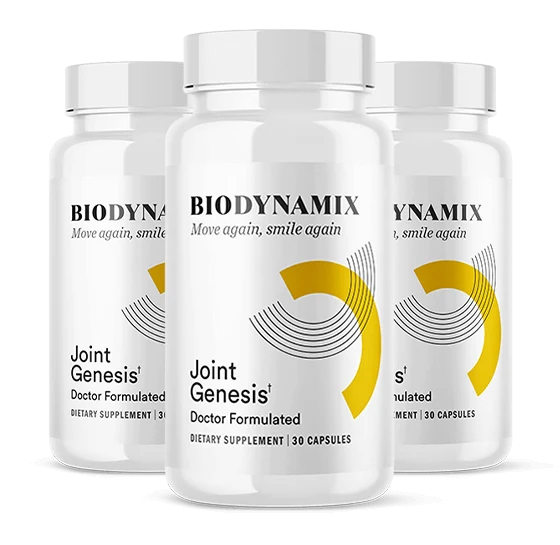
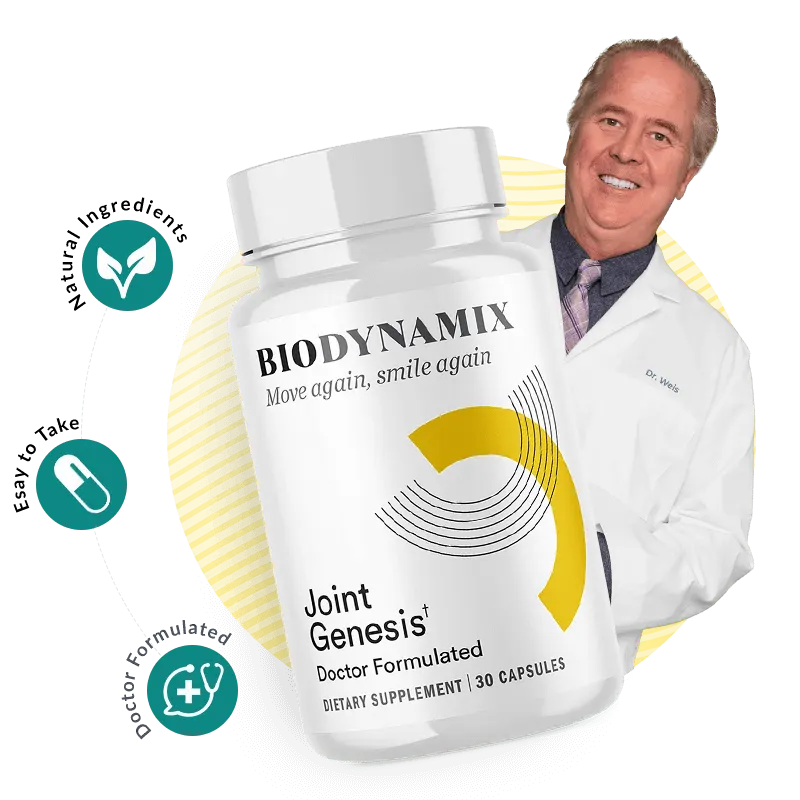
When considering a supplement, it’s always wise to consult with your healthcare provider, especially if you have underlying health conditions or are taking other medications. Products like Joint Genesis exemplify a supplement designed with these principles in mind, offering a synergistic blend of ingredients aimed at addressing the multifaceted needs of aging joints. For a deeper dive into specific product evaluations, you might find our Joint Genesis Review 2026 article helpful.
Key Ingredients for Cartilage Support: The Joint Genesis Formula
Joint Genesis stands out with its scientifically formulated blend of ingredients, each chosen for its proven role in supporting joint cartilage and overall joint health. Here's a closer look at its core components:
Mobilee® (Hyaluronic Acid Matrix)
Role: A patented natural extract from rooster comb, Mobilee® is a powerful blend of hyaluronic acid, collagen, and polysaccharides. It is clinically shown to support the health of synovial fluid, enhancing joint lubrication and shock absorption. By stimulating the body's natural production of hyaluronic acid, Mobilee® helps replenish the fluid that keeps your joints moving smoothly and nourishes cartilage cells.
UC-II® Undenatured Type II Collagen
Role: This highly specialized form of collagen is derived from chicken sternum cartilage. Unlike hydrolyzed collagen, UC-II® works through a unique immune-mediated mechanism. It helps to 're-educate' the immune system, reducing its attack on existing joint cartilage and promoting the body's natural repair processes. Clinical studies show UC-II® can significantly improve joint comfort, flexibility, and physical function in individuals with osteoarthritis.
Boswellia Serrata Extract
Role: An ancient herbal extract known for its potent anti-inflammatory properties. Boswellia contains active compounds called boswellic acids, which help to modulate key inflammatory pathways in the body. By reducing inflammation, Boswellia Serrata can alleviate joint pain, decrease stiffness, and protect cartilage from further degradation, contributing to improved mobility and comfort.
Ginger Root Extract
Role: Ginger is another powerful natural anti-inflammatory and antioxidant. Its active compounds, gingerols and shogaols, help to inhibit the production of pro-inflammatory cytokines and enzymes, offering significant relief from joint pain and swelling. Ginger also supports healthy circulation to the joints, aiding in nutrient delivery and waste removal, which is crucial for cartilage health.
BioPerine® Black Pepper Extract
Role: Derived from black pepper, BioPerine® is a patented extract that significantly enhances the bioavailability of other nutrients. It works by increasing the absorption efficiency of ingredients like Boswellia and Ginger, ensuring that the body can utilize these beneficial compounds more effectively. This maximizes the impact of the entire Joint Genesis formula on joint health and comfort.
This synergistic blend is designed to not only provide the structural components for cartilage but also to support the joint environment through lubrication, inflammation management, and enhanced nutrient absorption. This comprehensive approach is what makes formulas like Joint Genesis a powerful ally in the fight against joint degeneration.
Reclaim Your Joint Comfort and Mobility with Joint Genesis
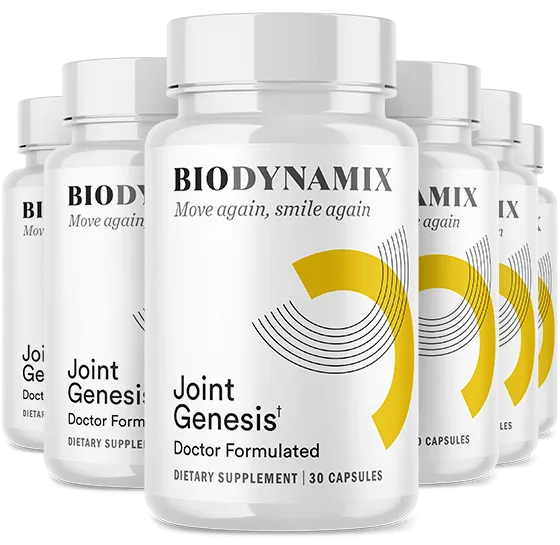
Don't let joint pain dictate your life any longer. Joint Genesis offers a scientifically-backed solution to support your body's natural ability to maintain and rebuild healthy joint cartilage. Formulated with cutting-edge ingredients like Mobilee® and UC-II® Undenatured Type II Collagen, alongside powerful anti-inflammatory extracts, it's designed to give you back the freedom of movement you deserve.
- ✓ Supports Cartilage Regeneration
- ✓ Enhances Joint Lubrication and Flexibility
- ✓ Reduces Joint Pain and Stiffness
- ✓ Fights Age-Related Joint Degeneration
- ✓ Backed by a 60-Day Money-Back Guarantee




What Our Customers Are Saying
"I've tried numerous joint supplements, but Joint Genesis is the only one that truly made a difference. My knees feel so much better, and I can finally enjoy my morning walks again without pain. It's been a game-changer for my mobility!"
"After years of discomfort in my hips, a friend recommended Joint Genesis. I was skeptical at first, but after about two months, I noticed a significant improvement in flexibility and a reduction in stiffness. I feel more active and less limited than I have in years."
"Joint Genesis has given me my life back. The chronic ache in my hands and shoulders has subsided, allowing me to resume hobbies I thought I'd have to give up. The natural ingredients make me feel good about taking it daily. Highly recommend!"
Frequently Asked Questions
What is osteoarthritis and how does it affect cartilage?
+Osteoarthritis (OA) is a degenerative joint disease where the protective cartilage that cushions the ends of your bones wears down over time. This leads to bone-on-bone friction, causing pain, stiffness, and reduced mobility. Cartilage, primarily made of collagen, becomes thinner and rougher, losing its ability to absorb shock and facilitate smooth joint movement.
How does collagen supplementation support joint health?
+Collagen is the primary structural protein in cartilage. Supplementing with specific types of collagen, like Type II, provides the raw materials for the body to synthesize and repair cartilage. Collagen peptides can also signal the body to increase its natural production of collagen and other vital joint components, helping to maintain cartilage integrity and reduce degradation.
What role does hyaluronic acid play in joint cartilage?
+Hyaluronic acid (HA) is a crucial component of synovial fluid, the natural lubricant in your joints, and is also found within cartilage. It provides lubrication, shock absorption, and helps transport nutrients to cartilage cells. Adequate HA levels are essential for smooth joint movement and overall cartilage health, and its decline contributes to joint stiffness in OA.
Are there different types of collagen, and which is best for joints?
+Yes, there are several types of collagen. Type I is abundant in skin, bones, and tendons, while Type III is in muscles and organs. For joint cartilage, Type II collagen is most relevant as it is the primary structural component. Undenatured Type II collagen (UC-II) and specialized collagen peptides are often recommended due to their specific benefits for joint health and cartilage support.
How long does it typically take to see results from collagen supplements for joints?
+The timeline for experiencing benefits can vary greatly among individuals, depending on the severity of joint degeneration, consistency of use, and individual body response. Most studies suggest that noticeable improvements in joint comfort, mobility, and stiffness can be observed after consistent daily use for 8 to 12 weeks, with continued benefits accumulating over several months.
Can lifestyle changes enhance the effectiveness of collagen supplements?
+Absolutely. While collagen supplements provide crucial support, a holistic approach significantly enhances their effectiveness. Regular, low-impact exercise helps strengthen muscles around joints and improves circulation. Maintaining a healthy weight reduces stress on load-bearing joints. A diet rich in anti-inflammatory foods and antioxidants further supports overall joint health and can complement the benefits of supplementation.
Related Articles